

With the cost-of-living crisis predominant at the moment eating healthy on a budget is getting more and more difficult.
As a Nutrition Consultant and a Yorkshireman (yes, indeed, we don’t like spending money unnecessarily!!) I am going to provide some tips on how to eat healthy on a budget.
With a little bit of planning, you can enjoy nutritious meals without breaking the bank.
Here are some practical tips and strategies to help you eat healthy on a budget.
1. Identify Foods You Enjoy! Eating Healthy on a Budget Doesn’t Have to be a Chore!
For starters identify the foods you enjoy, then choose the versions that are both cheap and healthy:
Protein: You might want to avoid steak or salmon here! Go for eggs, chicken thighs (removing the skin), pork, canned or frozen fish. Vegan sources of protein are also a great way to eat healthy on a budget, examples include: dried or canned beans, lentils, tofu, and chickpeas.
Carbohydrates: These can be very cheap, especially when bought in bulk. Good examples include oats (a great filling breakfast), rice, pasta, couscous and potatoes.
Healthy Fats: These can overlap with protein sources including eggs and fish, but also add cottage cheese and natural yogurt to the list.
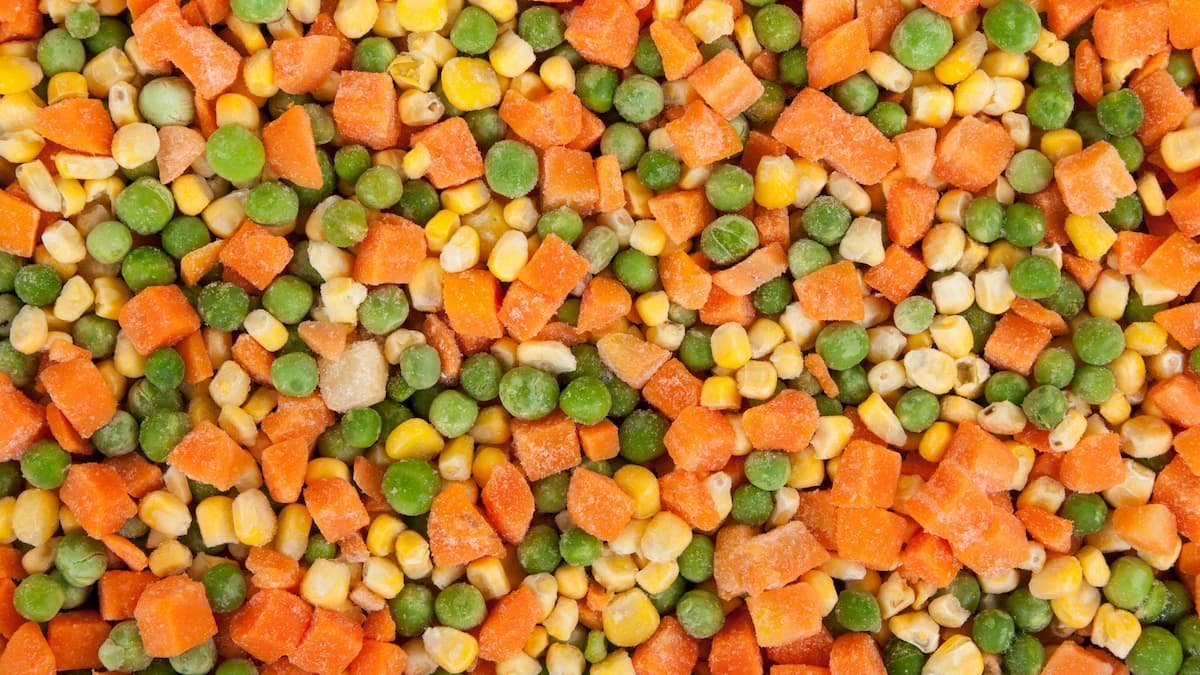
Fruits and Vegetables: Aim to choose seasonal versions, (meaning they are ripe and ready to harvest at the time of year they are for sale in the shop) as these will always be cheaper. Also, another fantastic tip is to buy frozen fruit and vegetables as these are generally cheaper and just as, if not more nutritious than their fresh counterparts.
Please read my blog on The Benefits of Frozen Fruit and Vegetables
Good fruit options include bananas, apples, pears, oranges and of course frozen berries.
Good vegetable options include: carrots, broccoli, cauliflower, onions, canned and frozen vegetables
2. Plan Your Meals to Eat Healthy on a Budget
Meal planning is another great starting point for eating healthly on a budget. By planning your meals for the week, you can create a detailed shopping list that helps you avoid impulse buys and reduces food waste.
Set a Weekly Menu: Decide on your meals for the week, including breakfasts, lunches, dinners, and snacks.
Create a Weekly Shopping List: List all the ingredients you’ll need. Stick to this list when shopping to avoid unnecessary purchases.

3. Buy own Brands
Store brands generally offer the same quality as named brands at a lower price as all food manufacturers must follow the same food standards.
Therefore this is a very simple, but effective tip to help in your quest of eating healthy on a budget.
4. Buy in Bulk
This is another simple but effective tip to eat healthy on a budget.
This is especially the case for grains like pasta and rice, along with tinned products that often have offers such as buy 4 for the price of 3.
Just be careful not to overspend on items you won’t use, that just end up being stuck at the back of the kitchen cupboard for months on end!
5. Buy From Local Markets
You can often visit local markets where you can buy very reasonable priced food.
For example, I recently bought a box of fresh strawberries for just £1 at a market in Lichfield. I also bought 4 avocadoes for £1 in Birmingham city centre.
In the past I bought my meat from the Digbeth markets, often getting 20 chicken steaks for £20!
Therefore, if you are out and about, always keep an eye out for a local market as more often than not there bargains to be had!
6. Focus on Whole Foods
Whole foods are generally more nutritious and cost-effective compared to processed foods. They also will help keep you full for longer so making it less likely that you snack, therefore keeping your food bill even lower.
Fruits and Vegetables – As already mentioned eat seasonally as this will be cheaper and frozen versions are also great to cut costs and no less nutritious.
Purchasing tinned tomatoes is also another great tip, they are cheap and very versatile meaning you can make pasta sauces with them or add them to other dishes.
Whole Grains: Brown rice, whole wheat pasta, quinoa, and oats are all nutritious and filling.
Lean Proteins: Eggs, beans, lentils, and affordable cuts of meat like chicken thighs or ground turkey.
7. Reduce Food Waste
Minimising food waste can help you get the most out of your groceries.
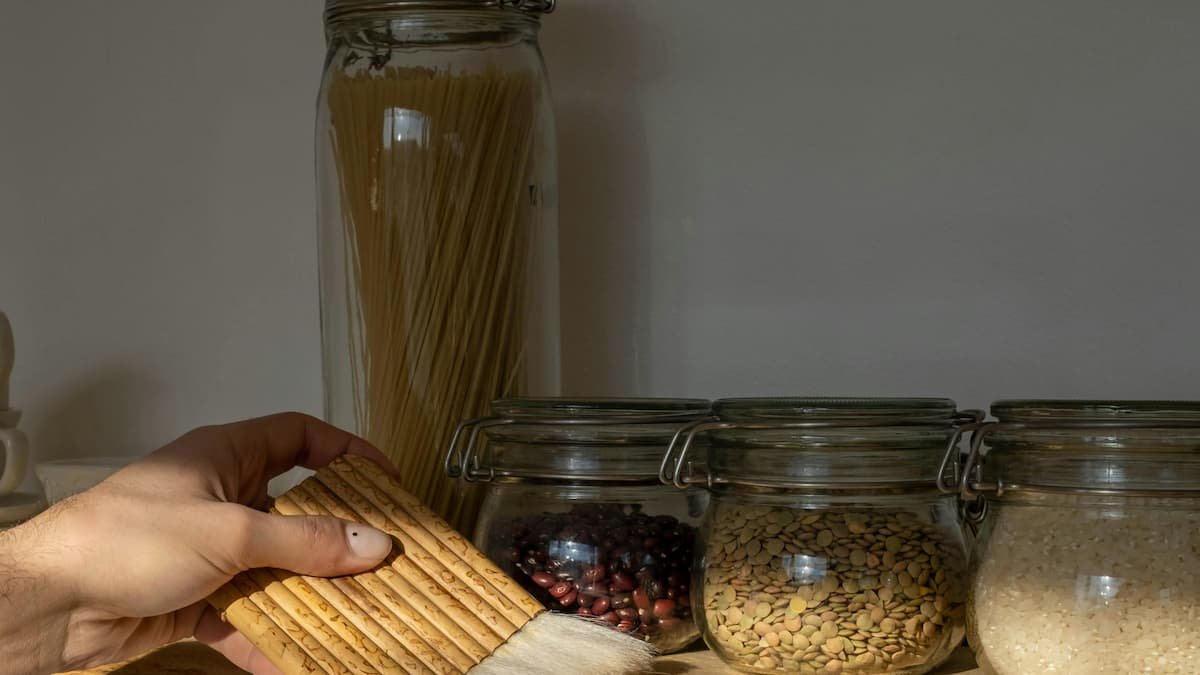
Proper Storage: Store food correctly to extend its shelf life. For example, keep fruits and vegetables in the fridge if they’re prone to spoiling quickly.
Use Leftovers: Incorporate leftovers into new meals. For example, leftover roast chicken can be used in salads, sandwiches, or soups.
8. Cook at Home
Cooking at home is often cheaper and healthier than eating out or buying pre-packaged meals. It also gives you control over the ingredients and portion sizes.
Batch Cooking: Prepare large portions and divide them into smaller servings. Freeze these portions for quick and easy meals throughout the week. This also cuts down on gas and electric bills, a win-win!
Simple Recipes: Focus on recipes that use basic ingredients and require minimal preparation time.
Check out these budget dinners from BBC Food.

Take Home Message
Eating healthy on a budget is achievable with a little planning and some smart shopping.
By focusing on whole foods, eating seasonally, and making some tweaks to your weekly shop, cooking at home, and reducing waste, you can enjoy nutritious meals without overspending.
By implementing these tips you’ll see the difference to your wallet, whilst certainly not negatively impacting your health!
If you would like more help and planning on how to eat healthy on a budget I am available for Nutritional Consultancy appointments online, so I can work with you anywhere in the UK or the world.
If you are based in Birmingham, as a Sutton Coldfield Personal Trainer I can be booked for Personal Training sessions in local parks and in the comfort of your own home.
You can also really optimise your health by combining Nutritional Therapy with Personal Training.