
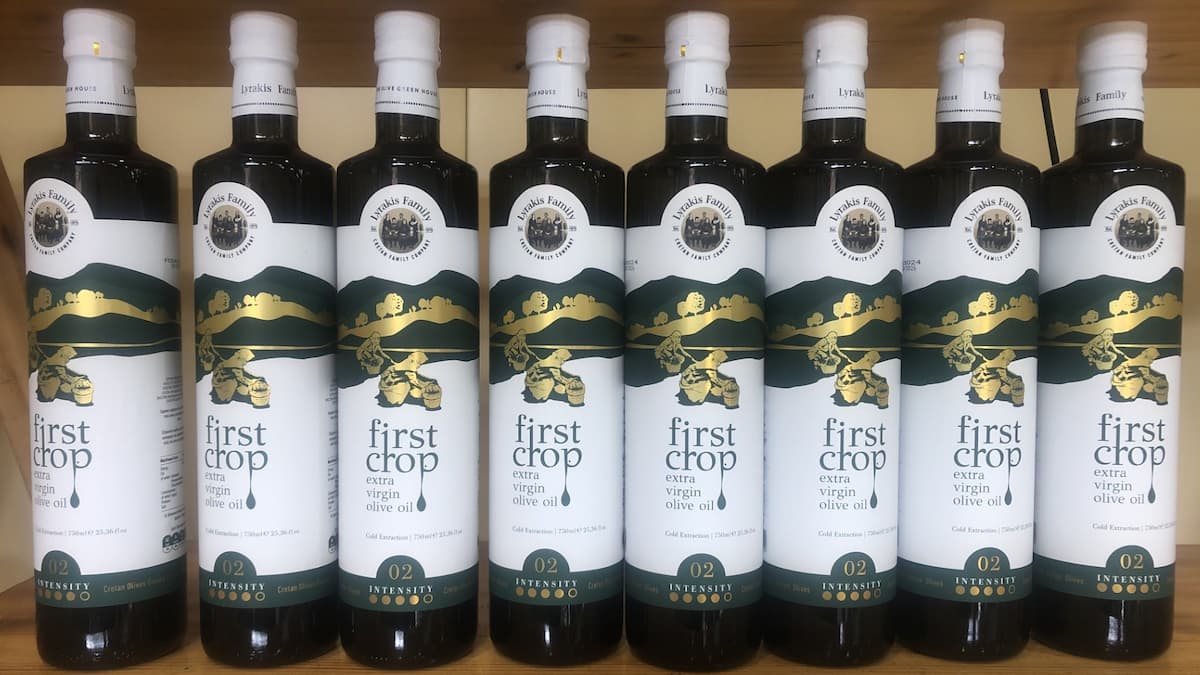
During my recent holiday to Crete, I was lucky enough to visit an olive oil factory, as a Nutritionist this trip inspired me to write a blog on how to get the most benefit from olive oil.
On another holiday to Mexico a couple of years ago I ate a lot of lovely, fresh papaya. Please read my blog on The Benefits of Papaya inspired by this trip.
Olive oil has long been celebrated for its health benefits, culinary versatility, and role in the Mediterranean diet.
It has been shown to help regulate blood sugar, reduce inflammation in the body and can be used to aid weight management.
In this blog I’m going to delve into what type of olive oil is the best, how it should be stored and something which is always controversial, should you cook with it?
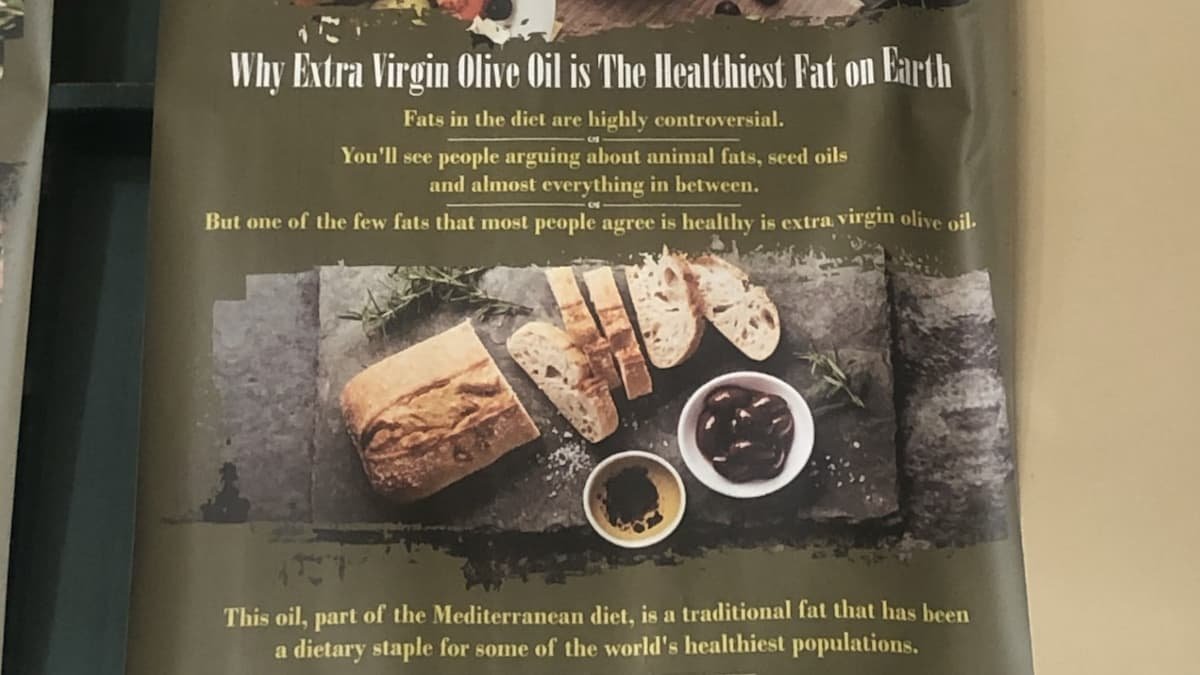
How to Get the Most Benefit From Olive Oil…Choose the Right Type!
When it comes to choosing olive oil, extra virgin olive oil is the best option if you’re looking for health benefits.
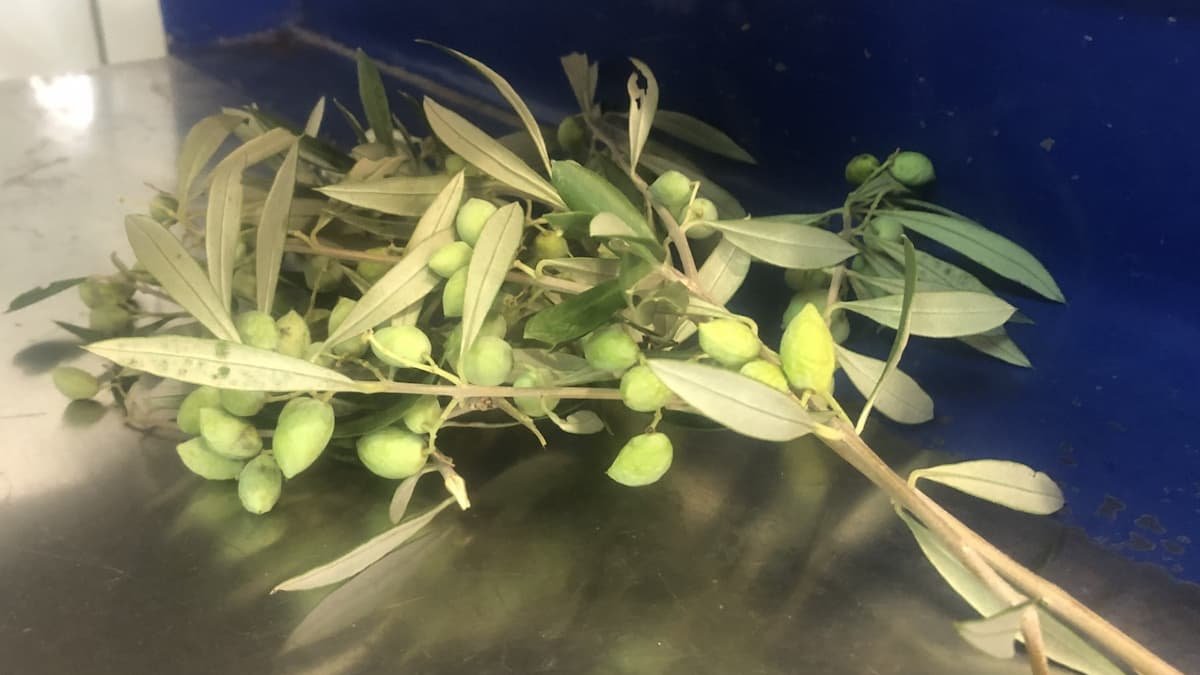
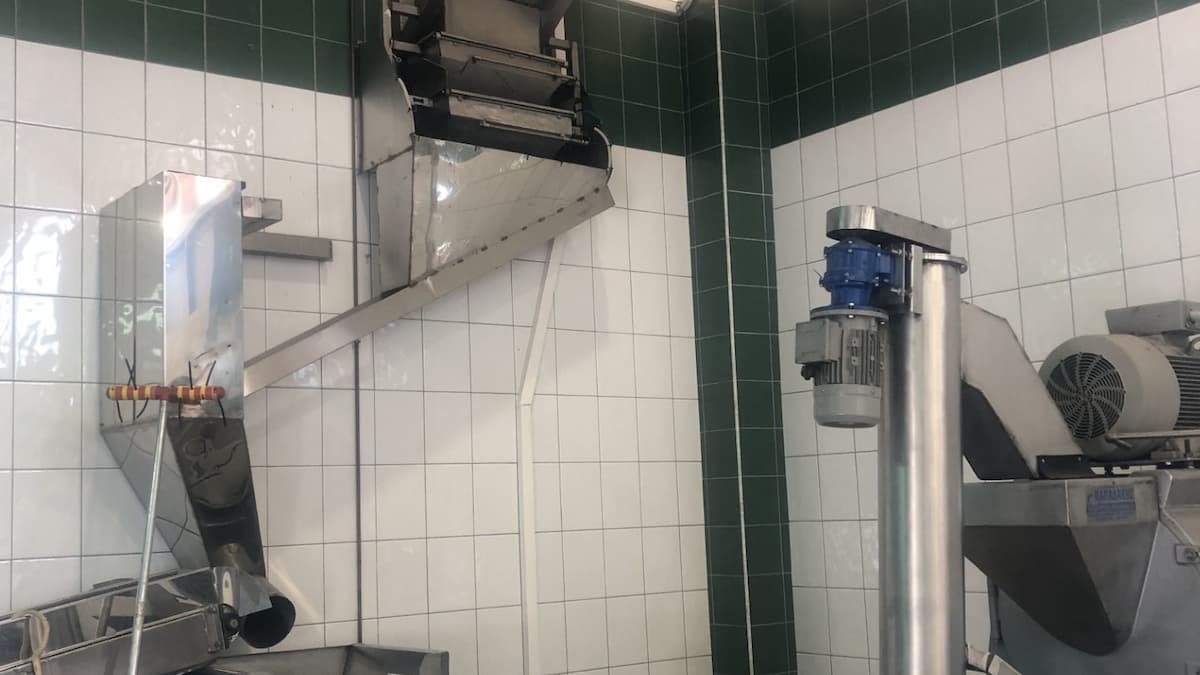
Extra virgin olive oil is the least processed form of olive oil. It is cold pressed straight from the olive, via the machine in the picture as I saw first hand at the olive oil factory.
The fact it is less processed means it retains the highest concentration of antioxidants. These antioxidants in extra virgin olive oil are called polyphenols which are essentially defence chemicals in plants.
These polyphenols in extra virgin olive oil are in huge numbers compared to other oils and most foods we consume.
There are 36 polyphenols in extra virgin olive oil. These polyphenols act on our gut microbes, that interact with cells in our gut and immune system, helping boost our immune system and reduce inflammation and improving heart health.
One of the polyphenols found in extra virgin olive oil is oleocanthal, which is actually in ibuprofen, which is obviously an anti-inflammatory drug, showing the anti-inflammatory effects of this oil.
Other types of olive oil such as virgin olive oil or simple olive oil are a very different product in that they are quite heavily processed meaning many of there health benefits are lost.
How Should You Store Olive Oil?
The best way to store olive oil is to keep it in a cool, dark, place away from sunlight or direct heat.
Many people leave it by the stove, this is a no-no as heat can cause the oil to go rancid which will mean the health benefits are lost.
Once you’ve opened your olive oil it should be consumed within 3-4 months. Again, after this period of time it’s health benefits will start to be reduced.
What Type of Container Should You Buy Your Olive Oil In?
It is best to buy olive oil in a dark glass bottle. Why is this?
Plastic bottles give the olive oil less protection from light, heat and humidity as they are more porous than glass which will damage the oil meaning a lot of its nutritional value is lost.
Glass is non-reactive, protecting the oil, to help retain its nutrients. A dark glass bottle is even better as the dark glass protects the oil from sunlight, helping further retain its nutrients.
If you can’t get a glass product the next best option is a tinned variety of extra virgin olive, which incidentally is what I bought from the olive farm in Crete.
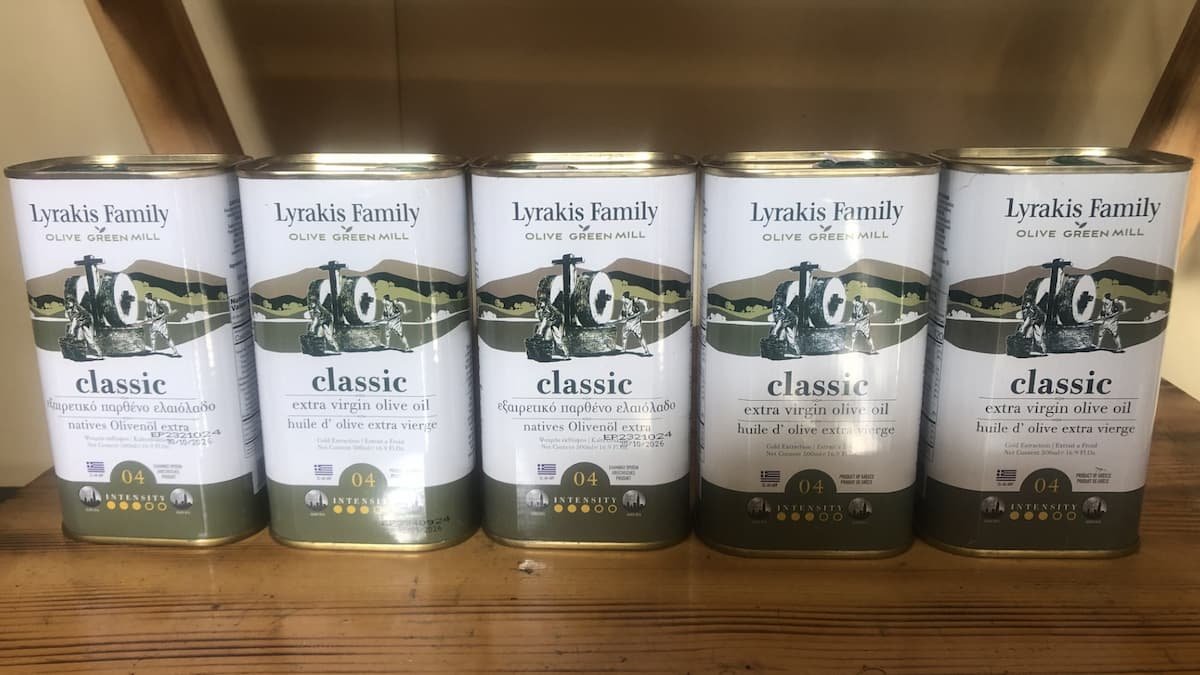
This glass bottled extra virgin olive oil available from Ocado or Marks and Spencer’s is a good option.
Another tip is to buy olive oil that is less than 18 months old. After this period the oil will start to lose its health benefits, essentially it’s polyphenols. Therefore, always check if the product has a ‘harvest date’ on the back.
Should You Cook With Olive Oil?
This has been debated for a long time. The answer is ‘yes’ in that it isn’t harmful to you, but ‘no’ if you want to preserve all the health benefits of the oil. Here’s why…..
The saturated fat content of olive oil keeps it quite stable when it is being used for cooking, this means you won’t destroy it or make it dangerous when it is heated, which can happen with some oils as you can create harmful trans-fats when cooking with it.
The downside to cooking with extra virgin olive oil is that heating process means it loses around 40% of it’s polyphenols and heating at even higher temperatures means it can lose around 75% of these polyphenols.
However, as extra virgin olive oil is so high in these health boosting polyphenols losing 40% or even 75% of these powerful antioxidants means you are still left with 25-60% of these health boosting properties.
The upside to this is that you’ll still be consuming a higher number of polyphenols than you would when consuming most other foods including oils.
Therefore, the decision is really up to you. Obviously extra virgin olive oil isn’t cheap, so if you are comfortable ‘heating away’ some of its nutritional value, by all means cook with it, however if you would prefer to get it’s full benefits you should eat it raw by adding it to salads or adding it to bread in place of butter.
Take Home Message
These are the key ‘takeaways’ on how to get the most benefit from olive oil:
- Buy extra virgin olive oil, other versions are essentially a completely different product!
- There are much more polyphenols in extra virgin olive oil compared to other oils and most other foods.
- Check the bottle for a ‘harvest date’ and buy less than 18 months after this date.
- Buy a dark glass bottle of olive oil if possible or if not available a tinned product.
- Store in a cool dark place away from your cooker and consume within 3-4 months once opened.
- You can cook with it as it isn’t harmful however 40-75% of the polyphenols will be lost depending on temperature.
- Best to be eaten raw to get the most health benefits.
So there you have it, that is the key facts on how to get the most benefit from olive oil.
If you would like more nutrition advice, I work as a Nutritional Therapist, and you can book online Nutritional Therapy Consultations with me to help to optimise your health.
You can also combine Nutritional Therapy with Personal Training to get the best of both worlds. Please feel free to get in touch for more details.