
Sports Nutrition from a holistic viewpoint to incorporate gut health and help prevent leaky gut is a great way to optimise performance.
Endurance exercise, characterised by prolonged physical activity such as long-distance running, cycling, or swimming, is renowned for its numerous health benefits, including cardiovascular fitness, weight management, and mental well-being.
However, endurance exercise can also be harmful to the gastrointestinal tract.
Its effects depend on the intensity, duration, and modality of physical activity.
3.5-4 hours of low-moderate intensity exercise a week plays a protective role against various diseases such as colon cancer, diverticular disease, gallstones, and constipation.
Gastrointestinal Symptoms Are Common In Endurance Athletes
Compared to low intensity exercise, strenuous exercise and endurance sports may cause exercise-induced gastrointestinal symptoms, this occurs in up to 70% of athletes.
An array of symptoms can occur which include both upper GI and lower GI symptoms.
Upper GI symptoms can include regurgitation, heartburn, belching, epigastric pain, and nausea.
Lower GI symptoms can include diarrhea, lower abdominal pain, bloating, gas, a sudden urge to defecate, and blood in the stools.
Many of these symptoms can be caused by gut permeability, (also known as leaky gut) caused by prolonged higher-intensity endurance exercise.
It was recently shown that 60 minutes of endurance training at 70% of maximum work led to the characteristic responses of leaky gut.
Therefore, for an endurance runner, basically anything from a steady run intensity-wise and beyond, would lead to an increase in gut permeability.
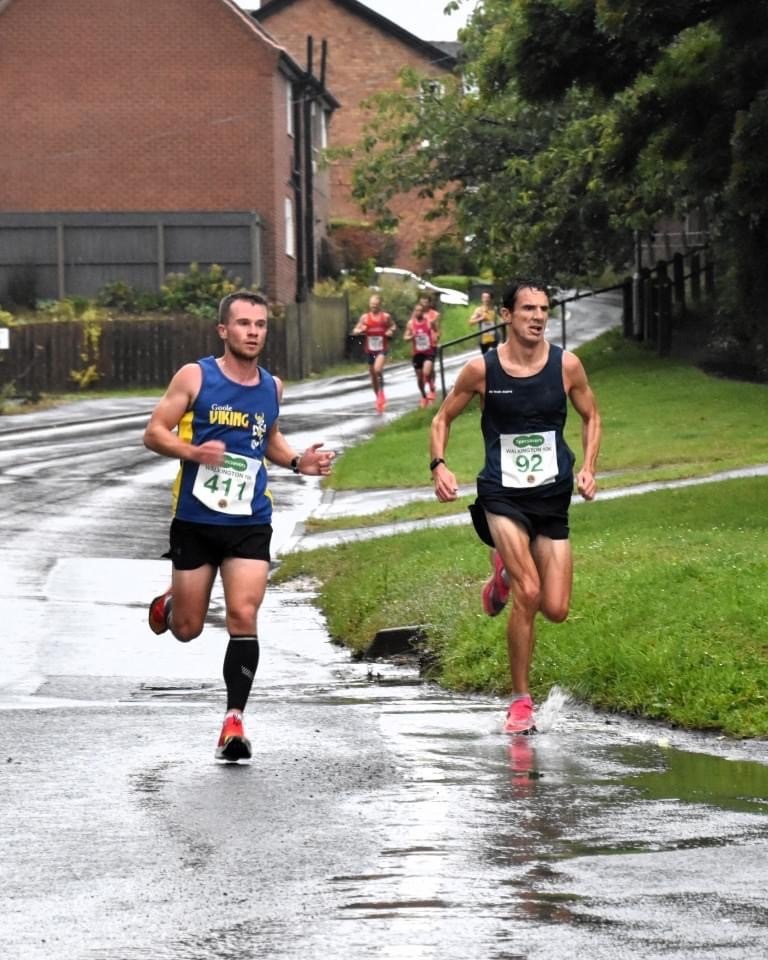
In this article, we will delve into the fascinating relationship between endurance exercise and gut permeability.
Implications for athletes and active individuals will be explored, with some useful Sports Nutrition tips on how athletes can reduce the effects of gut permeability.
Understanding Leaky Gut
Gut permeability, also known as intestinal permeability and leaky gut, refers to the ability of the intestinal barrier to control the passage of substances between the intestine and the bloodstream.
Under normal conditions, this barrier is selectively permeable, allowing nutrients to be absorbed while preventing harmful substances, bacteria, and toxins from entering the bloodstream.
Some gut permeability is needed as outlined above, however, increased gut permeability can lead to the leakage of these harmful substances into the bloodstream, triggering inflammation and potentially contributing to various health issues, including both digestive and systemic problems.
Symptoms of Leaky Gut
Digestive Symptoms include:
- Diarrhea
- Bloating
- Gas
- Abdominal cramps
Systemic symptoms include:
- Fatigue
- Food sensitivities
- Depression/anxiety
- Irritated skin
In athletes, of course all the above symptoms can negatively impact both training and event performance.

The Effect of Endurance Exercise on Leaky Gut
Emerging evidence as already touched upon, suggests that endurance exercise can increase gut permeability, although the exact mechanisms are still being elucidated.
Several factors may influence this relationship:
1. Reduced Blood Flow To The Gut
During prolonged endurance exercise, blood flow is redirected from the gastrointestinal tract to working muscles and vital organs such as the heart and lungs. This leads to reduced blood flow to the gut (intestinal ischemia).
This review stated reduced blood flow to the gut is one of the main characteristics of vigorous exercise, which leads to significant gastrointestinal tract damage, such as a leaky gut.

2. Oxidative Stress and Inflammation
Endurance exercise is associated with increased production of reactive oxygen species (ROS) particularly in the gut.
This is associated with reduced blood flow to the gut.
ROS is a type of unstable molecule, that easily reacts with other molecules in a cell causing inflammation.
Therefore elevated levels of ROS may contribute to intestinal damage and consequently increased gut permeability.
3. Nutritional Factors
Endurance athletes generally consume a high carbohydrate diet as is good Sports Nutrition practice.
However, high carbohydrate diets, especially those high in simple sugars, contained in sports drinks, milkshakes, etc, which although great for recovery can increase gut dysbiosis.
Gut dysbiosis is an imbalance of bacteria in the gut and can impact the overall health of the intestine leading to an increase in inflammation and therefore increased gut permeability.
Also, an increase in ROS as described in point 2 (above) can negatively affect the gut microbiota, leading to gut injury and nutrient malabsorption, which can in turn lead to nutrient imbalances in an athlete, negatively affecting performance.
4. Heat Stress
Endurance activities often involve exposure to environmental heat, which can exacerbate gut permeability issues.
Heat stress may induce intestinal damage and inflammation, compromising gut barrier function.
How Do Athletes Reduce Leaky Gut?
Increased gut permeability can cause many digestive and systemic symptoms that can significantly hinder performance as already discussed.
But how does the athlete reduce increased gut permeability?
Diet
The best way to prevent a leaky gut is to invest more in your overall digestive health. This means reducing the amount of processed/high-sugar foods and focusing your diet on whole foods.
Obviously, in Sports Nutrition there are times when simple carbohydrates, should be consumed (especially shortly before and after training/racing), but aim for foods like bananas, and rice cakes with honey rather than high-sugar snacks that will upset the microbial balance in the gut leading to increased inflammation.
Aim to increase your fibre content as this aids the growth of beneficial bacteria in the gut, which helps reduce inflammation.
Therefore, increase your vegetable intake and focus your carbohydrate intake on high-fibre options such as brown rice, oats, lentils, wholemeal pasta, and sweet potatoes.
Adding nuts is also a fantastic way to increase fibre content, e.g. almonds, brazil nuts, walnuts, etc. Just stay off the salted peanuts!
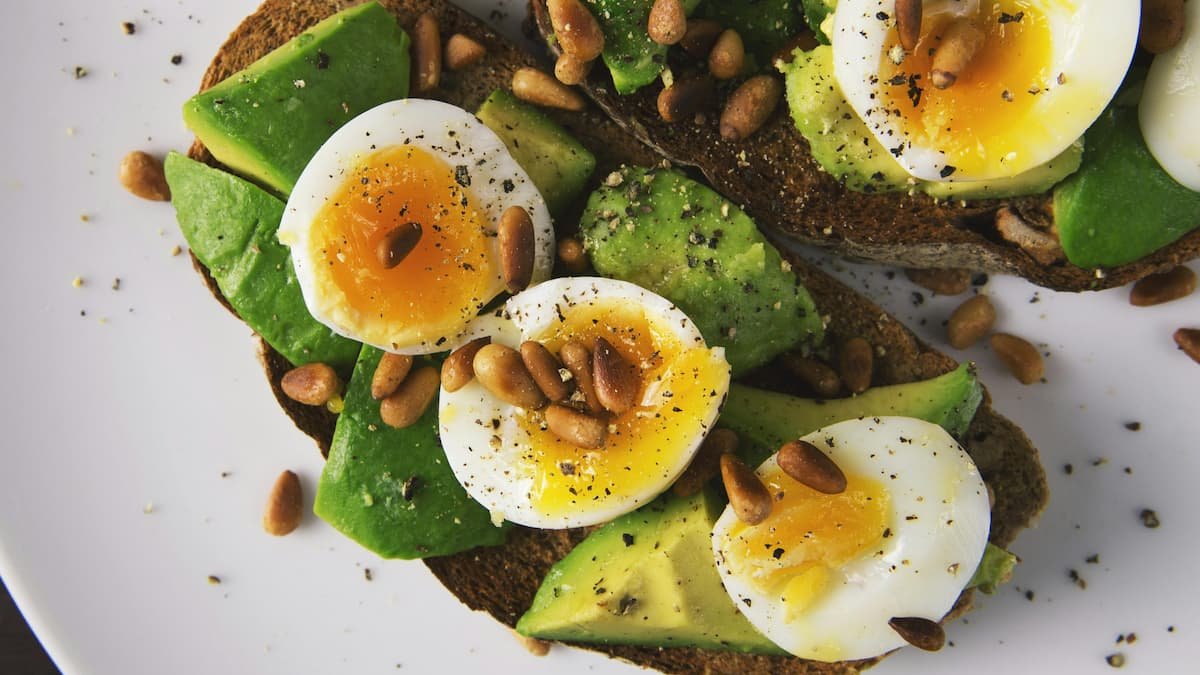
Prebiotic foods, are types of food that provide a substrate for the healthy gut bacteria, these include onions, garlic, oats, rye flour, leeks, bananas, and avocadoes.
Prebiotic foods basically work as a fertiliser for your good bacteria.
The foods you should look to reduce include simple carbohydrates like cakes, biscuits, sugary drinks, and white bread as these feed the pathogenic bacteria in the gut.
Also try to avoid foods containing artificial sweeteners like aspartame, sucralose, and saccharin as they can negatively affect the gut microbiome.
Finally, alcohol should also be reduced as this study shows alcohol promotes intestinal inflammation.
Probiotic Foods
Various foods contain probiotics and could be beneficial when aiming to reduce inflammation within the gut, by helping restore the natural balance of bacteria in the gastrointestinal tract.
Yogurt is a reliable source of probiotics. Aim for a version with no added sugar such as this probiotic yogurt, available in Tesco.
An even better source of probiotics is Kefir. It contains a large range of probiotics and commensal yeasts, which are beneficial to gut health.
Read my blog on Kefir Drinks – The Number 1 Probiotic Drink
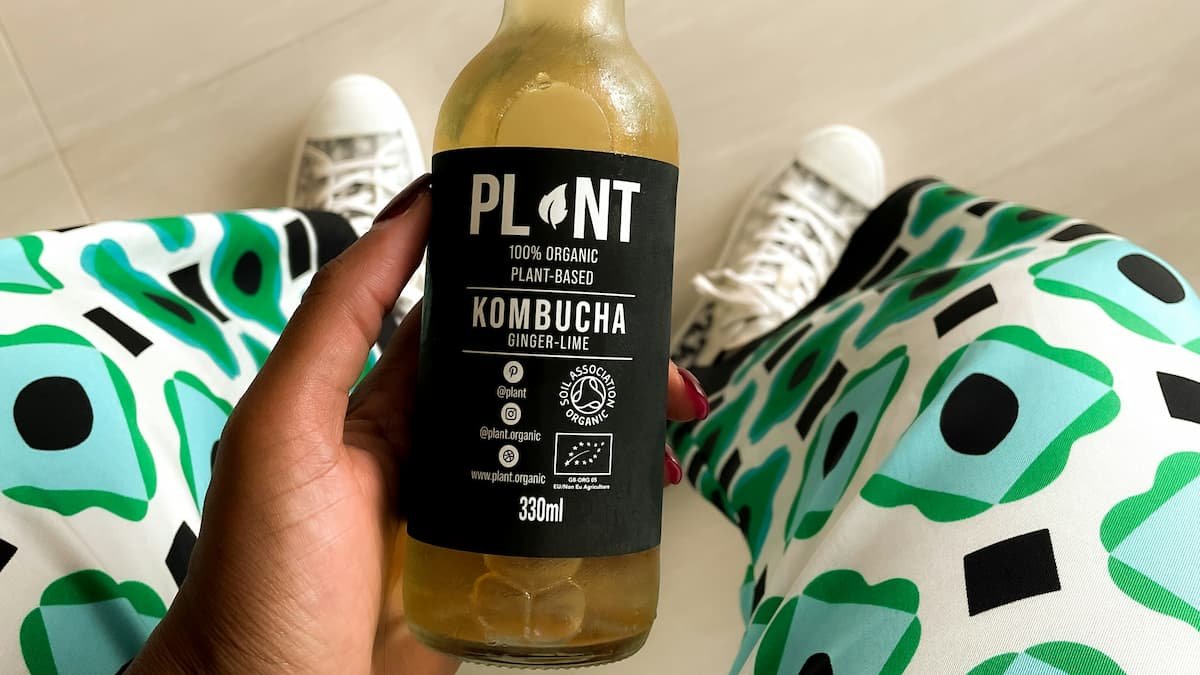
Other foods high in beneficial bacteria include tempeh, kimchi, sauerkraut, green olives, and the drink kombucha.
Supplements:
Probiotics
As mentioned probiotics can be found in food. However, they can also be supplemented.
Probiotic supplements have been shown to strengthen the mucosal barrier, by increasing butyrate-producing probiotic species, which are beneficial gut bacteria and therefore help reduce gut permeability.
When choosing a probiotic it is a good idea to seek advice from a qualified Nutritional Practitioner.
Read my blog on Probiotics.
Saccharomyces Boulardii
This is a commensal yeast that has shown beneficial effects on gut barrier function.
It is a supplement that has been long since used as a remedy for travellers’ diarrhea.
This article explains that the well-studied probiotic yeast plays a crucial in the restoration and preservation of the intestinal lining.
You can order a good quality Saccharomyces boulardii supplement, from Cytoplan. Please feel free to use my discount code CYT35104-35-10 when ordering.
L-Glutamine
L-Glutamine is a non-essential amino acid that is the preferred fuel source of the small intestine.
Although a ‘non-essential’ amino acid, meaning our body can produce it, L-Glutamine is now considered ‘conditionally essential’.
This means during catabolic stress (increased breakdown) the consumption of L-glutamine by the small intestine exceeds the rate of production.
What does this mean?
During endurance training significant catabolic stress will occur breaking down the gut lining as explained earlier in the article, therefore L-glutamine supplementation could prevent this breakdown, ultimately helping maintain gut barrier function.
Zinc Carnosine
Zinc carnosine is a molecular complex consisting of the mineral Zinc and L-carnosine which is a molecule made up of two amino acids.
The mechanism of action of zinc carnosine is that it provides a sustained release of zinc in the gastrointestinal tract.
The reason why zinc carnosine is supposedly more beneficial than zinc alone, is that the chelation of zinc with L-carnosine protects the zinc from degradation, ensuring it is effectively delivered to the target tissues.
A study found that zinc carnosine helps stabilise gut mucosa by maintaining the integrity of the gut barrier.
How to use: The usual dosage is 75mg twice daily but can be increased to 150mg twice daily, though as always it is strongly advisable to consult a Nutrition Professional.
There is a fantastic supplement available that offers the unique combination of both L-Glutamine and Zinc-Carnosine called Rezcue, which has been developed to help repair leaky gut. Click on Rezcue Drink Powder to order and use my code JONATHANCARTER for a 20% discount.
Bovine Colostrum
This is the milk that comes from cows, the first few days after giving birth.
It contains many nutrients, but most notably it contains proteins called antibodies.
Antibody levels in bovine colostrum can be 100 times higher than levels found in regular cow’s milk.
The supplement can be taken in powder or capsule form.
A systematic review of studies on the Influence of Bovine Colostrum on Leaky Gut Syndrome in Athletes found that as we already know vigorous exercise increases intestinal permeability, but supplementation with Bovine Colostrum helps to reverse gut permeability in athletes.
Work With a Holistic Sports Nutritionist
This is just an overview of gut permeability in athletes.
If you want to get to the bottom of your digestive issues and or want to optimise your performance it is best to Consult with a Sports Nutritionist or healthcare professional, who can help tailor strategies to optimise gut health and performance based on individual needs and goals.
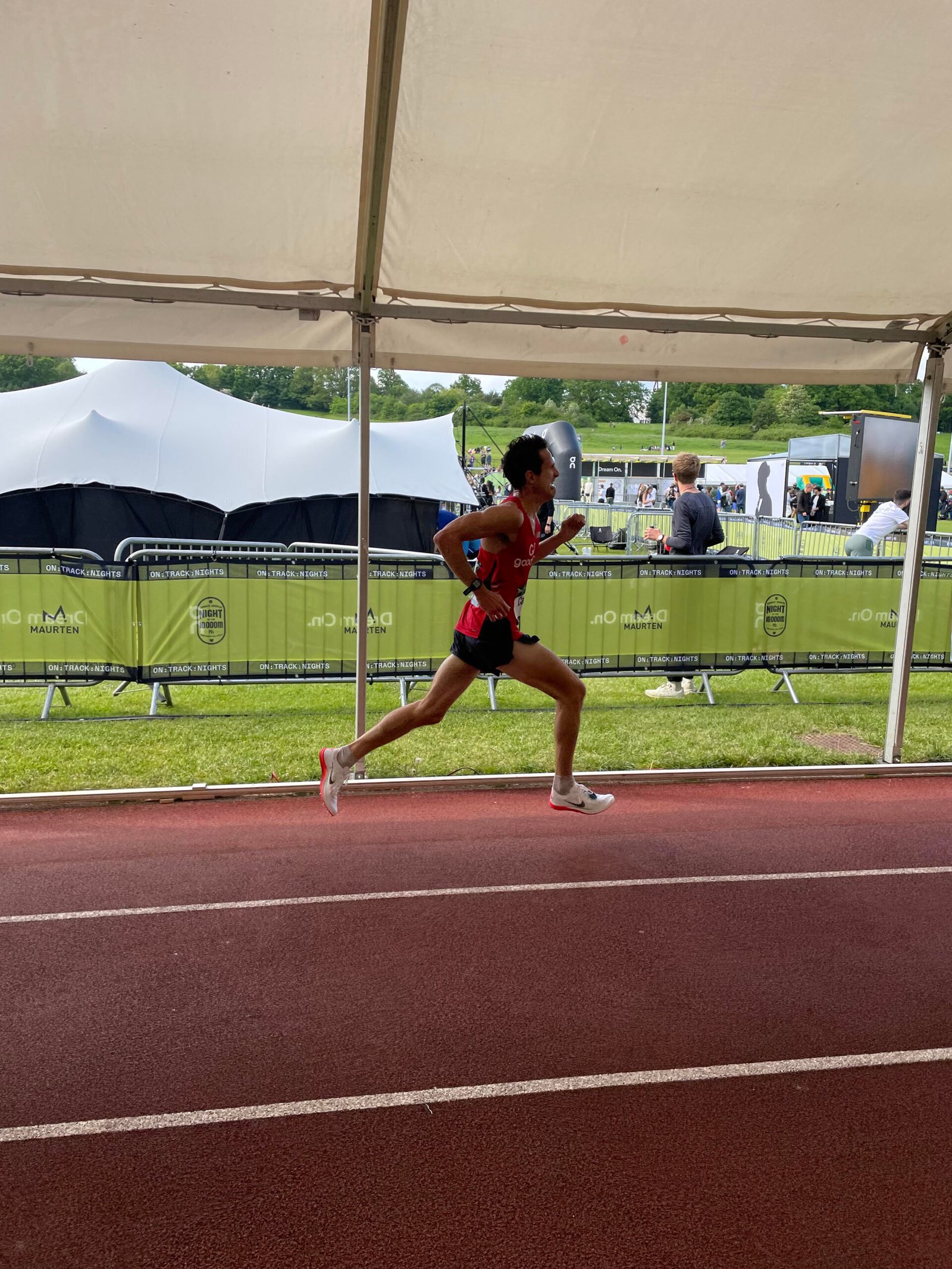
As a competitive distance runner myself I work with athletes as a Sports Nutritionist on a holistic basis, meaning I don’t always just use the traditional Sports Nutrition approach of eating ‘sugary foods’ around training sessions/competitions, as for some athletes with gut permeability issues this can lead to digestive and systemic issues that significantly hinder performance!
I also use innovative technology via testing from Invivo Healthcare or Genova Diagnostics where a stool sample is sent to a laboratory for testing to check for the levels of beneficial and pathogenic bacteria in the gut, along with inflammatory markers which can help diagnose increased gut permeability or other digestive issues.
I will then work with the client to put a protocol in place to improve their overall health and therefore performance.
I will sometimes use the ‘4 Rs Approach’. For more information on this please click the link. This will combine a mixture of dietary changes and supplementation to help heal the gut.
Take Home Message
While moderate exercise may confer benefits for gut health, prolonged or intense endurance activities may pose challenges to gut barrier integrity.
Athletes and active individuals can benefit from adopting evidence-based strategies to support gut health and minimise the potential negative effects of endurance exercise on gut permeability.
By prioritising proper nutrition, and recovery practices, athletes can optimise their performance and overall well-being while safeguarding gut health for the long run.
Of course, gut permeability and its associated symptoms can affect anyone, not just athletes.
If you feel you can benefit from a consultation with a Nutritional Therapist please feel free to get in touch.
If you would like to optimise your health you can also combine Personal Training with Nutritional Therapy and this can be done both in person and online.