

Maintaining good gut health is essential for overall well-being. Supplements for gut health can have a key part to play.
Your gut, often referred to as your “second brain,” plays a critical role in digestion, immune function, and even mental health.
When things go wrong, it can lead to issues such as bloating, indigestion, fatigue, and even more serious conditions like Irritable Bowel Syndrome (IBS).
The good news? Some supplements for gut health are designed to support and improve your digestive health. But with so many options on the market, knowing which ones are right for you can be overwhelming.
In this blog, I’ll explore some of the supplements for gut health, how they work, and how to choose the best one for your needs.
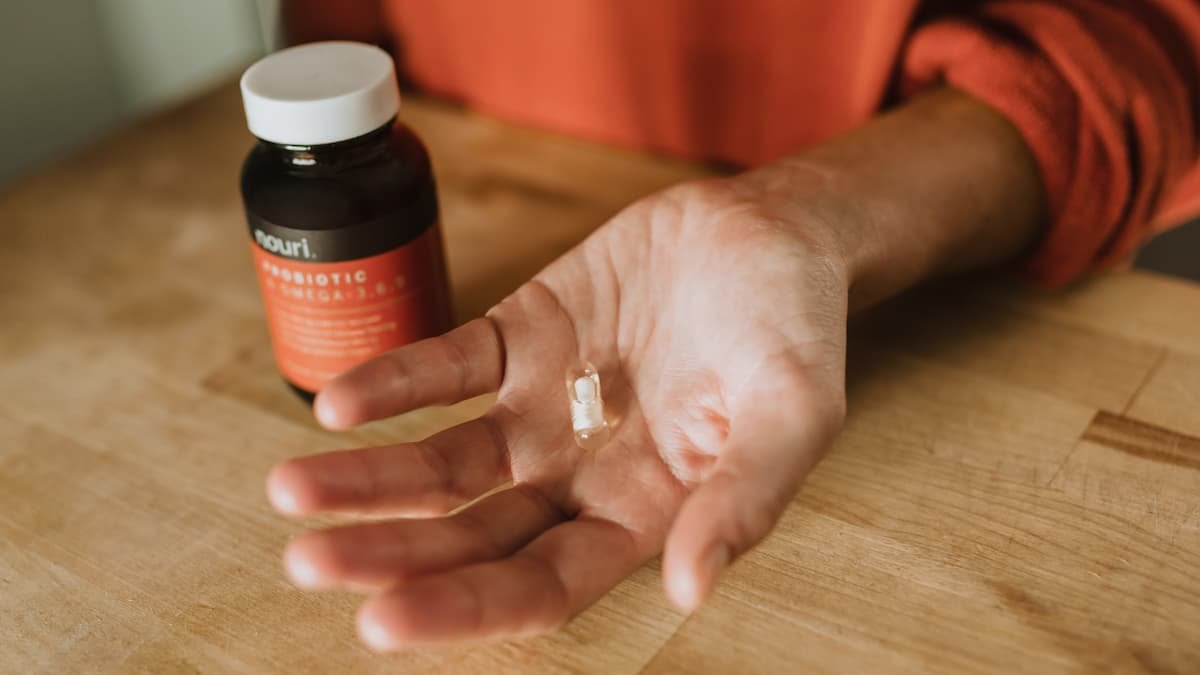
1. Supplements for Gut Health – Probiotics
What Are Probiotics?
Probiotics are live bacteria and yeasts that are beneficial for your digestive system. Your gut is home to trillions of bacteria—both good and bad. Probiotics help balance the “good” bacteria in your gut, which is essential for a healthy digestive system.
Please read my blog on probiotics
Benefits of Probiotics:
- Restore the natural balance of gut bacteria
- Improve digestion and reduce bloating
- Boost immune function
- Aid in the treatment of diarrhea, especially after taking antibiotics
- May improve mental health by enhancing the gut-brain axis
Best Types of Probiotics:
- Lactobacillus: Known for aiding digestion and reducing symptoms of IBS. Supported by this study on Lactobacillus Plantarum.
- Bifidobacterium: Helps break down food and absorb nutrients while supporting the immune system. A study on Bifidobacterium Infantis showed its benefits in IBS sufferers.
- Saccharomyces boulardii: A beneficial yeast, often used to prevent diarrhea and support gut health after antibiotic use. It has shown positive effects on gut barrier function and can help reduce leaky gut
How to Choose:
Look for a probiotic with a variety of strains (at least 5-10 different ones) and at least 5 billion colony-forming units (CFUs). Consider options that are shelf-stable if you prefer not to refrigerate them. This probiotic supplement from Cytoplan is a good option. Please feel free to use my discount code CYT35104-35-10 when ordering.
You can order a good quality Saccharomyces boulardii supplement, from Cytoplan. Please feel free to use my discount code CYT35104-35-10 when ordering.
2. Supplements for Gut Health – Prebiotics
What Are Prebiotics?
Prebiotics are non-digestible fibres that feed the good bacteria in your gut. They are essentially the “food” for probiotics. Without prebiotics, your beneficial bacteria may struggle to thrive.
Benefits of Prebiotics:
- Stimulate the growth of good bacteria
- Improve digestion and nutrient absorption
- Support a healthy immune system
- May help regulate blood sugar and appetite
Common Prebiotics:
- Inulin: Found in foods like chicory root and bananas, it promotes the growth of beneficial bacteria.
- Fructooligosaccharides (FOS): Derived from fruits and vegetables, this type of prebiotic is easy to find in supplement form.
- PHGG: The above prebiotics can worsen IBS symptoms in some people. However, PHGG is certified low FODMAP meaning it is unlikely to cause gas and bloating. Therefore, if you have a sensitive gut this could be the right prebiotic to start with. A study showed that PHGG was beneficial for IBS sufferers without causing side effects.
- Resistant starch: Found in foods like potatoes and green bananas, resistant starch can help enhance the growth of beneficial bacteria.
How to Choose:
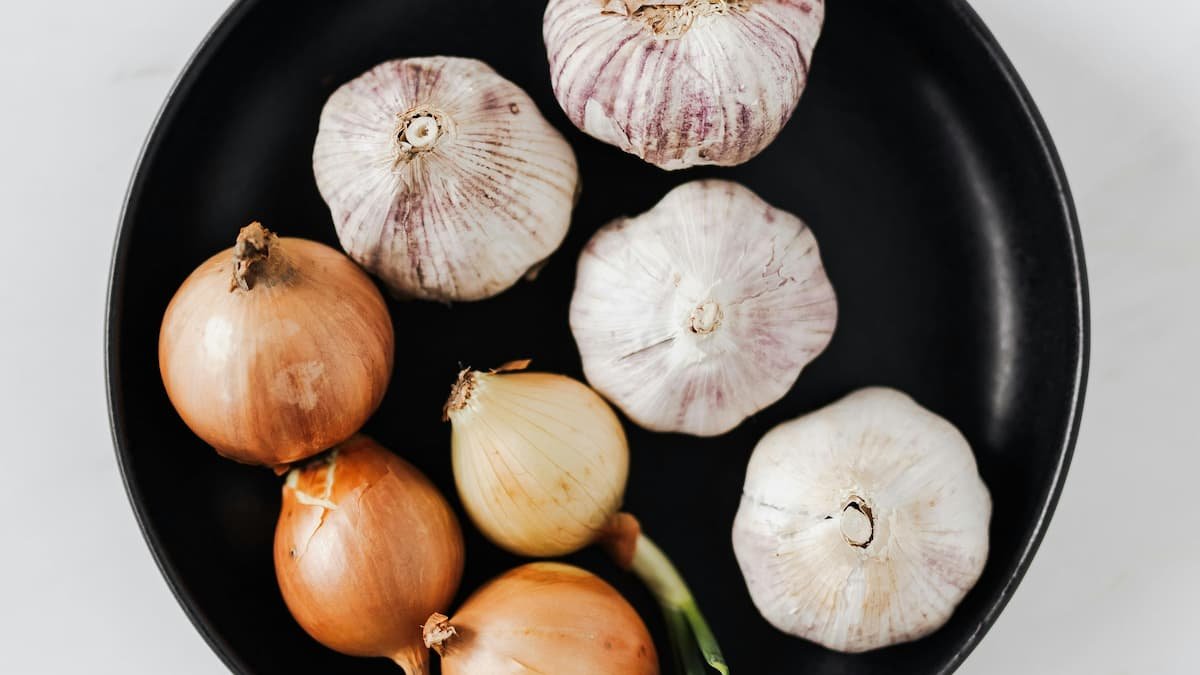
If you’re not getting enough prebiotic-rich foods in your diet (e.g., garlic, onions, leeks, and asparagus), consider adding a prebiotic supplement.
I would start with a very small dose so that your body gets used to the product which will lessen possible side effects such as bloating and gas and if you do have a sensitive digestive system I would advise starting with PHGG.
This Prebotic supplement from Myota is a good option as it’s main ingredient is PHGG, meaning it is great for sensitive digestive systems. Feel free too use my discount code ULTIMATE20 for a 20% discount when ordering.
3. Supplements for Gut Health – Digestive Enzymes
What Are Digestive Enzymes?
Digestive enzymes are proteins that help break down food into nutrients your body can absorb. As we age, or due to health conditions, our natural production of digestive enzymes can decrease, leading to symptoms like bloating and indigestion.
Benefits of Digestive Enzymes:
- Enhance digestion of proteins, fats, and carbohydrates
- Alleviate bloating and gas
- Support nutrient absorption
- Reduce symptoms of lactose intolerance
Key Digestive Enzymes:
- Protease: Breaks down proteins into amino acids.
- Lipase: Breaks down fats into fatty acids.
- Amylase: Breaks down carbohydrates into sugars.
- Lactase: Breaks down lactose, the sugar in dairy products.
How to Choose:
Look for a full-spectrum enzyme supplement that contains a variety of enzymes, including those that target proteins, fats, and carbohydrates.
If you have specific food intolerances, like lactose intolerance, choose supplements that focus on that particular enzyme.

Supplements for Gut Health – L-Glutamine
What Is L-Glutamine?
L-Glutamine is an amino acid that serves as fuel for the cells of your intestines. It is particularly beneficial for those with leaky gut syndrome, where the intestinal lining becomes more permeable, allowing harmful substances to enter the bloodstream.
Please read my blog on Supplements for Leaky Gut.
L-Glutamine is also fantastic for endurance athletes. Intense endurance exercise causes leaky gut, and taking an L-Glutamine supplement can help attenuate gut permeability.
Benefits of L-Glutamine:
- Supports the integrity of the gut lining
- Helps repair leaky gut
- Reduces inflammation in the digestive tract
- Supports immune function
- Useful Sports Nutrition supplement, especially for endurance athletes.
How to Choose:
L-Glutamine supplements are typically available in powder or capsule form.
If you’re dealing with gut issues like leaky gut or IBS, you may want to start with around 5 grams a day in two divided dosages. Mix with water and take on an empty stomach so that it doesn’t have to compete with other amino acids for absorption.
For specific recommendations consult with a Nutritional Therapist.
There is a fantastic supplement available that offers the unique combination of both L-Glutamine and Zinc-Carnosine. The latter is also very beneficial when trying to heal a leaky gut. It is called Rezcue and has been developed to help control inflammation and repair leaky gut. Click on Rezcue Drink Powder to order and use my code JONATHANCARTER for a 20% discount.
Final Thoughts: Which Supplements Are Right For You?
When it comes to gut health, there’s no one-size-fits-all solution.
If you’re struggling with bloating and indigestion, probiotics and digestive enzymes may be a good start. If you’re dealing with more severe gut issues like leaky gut or IBS, L-glutamine, and Saccharomyces boulardii could offer support.
Please read my blog on the causes of IBS.
You can also read my blog on Supplements for Leaky Gut.
Overall the best approach is to identify your unique digestive needs and choose supplements that address those issues. The best way to do this is to book a Nutrition Consultation. I offer online Nutritional Therapy so I can work with you wherever you live.
A successful approach I’ve regularly used with clients to help improve gut health is the 4 R’s Approach which can be adapted to the individual person.
If you’d like to add exercise to a well-being package you can combine Nutritional Therapy and Personal Training.