

Stomach bloating and gas are uncomfortable symptoms that show digestion is being compromised.
Stomach bloating usually occurs when there is excessive production of gas in the digestive tract.
This usually occurs when the bacteria in your gut interact with the food that you have eaten causing gas to be produced.
The gas can cause pain, discomfort, and embarrassment.
Gut Flora Imbalance Can Cause Stomach Bloating
Stomach bloating can have many potential causes.
If it is severe you should consult your GP as it can be a symptom of various digestive diseases, such as Crohn’s Disease, Ulcerative Colitis, and Celiac disease.
However, in many cases, stomach bloating is caused by unbalanced gut flora and possible food intolerances.
When the gut has an imbalance of gut flora, it usually means there is a higher amount of ‘bad’ bacteria than ‘good’.
These pathogenic bacteria feed on sugars, fermenting them and causing uncomfortable symptoms.
After a while the more sugars that are eaten the more pathogenic bacteria there are (as they have plenty of food) meaning more gas is produced, causing, you’ve guessed it more stomach bloating!

How Can You Reduce Stomach Bloating?
Dietary changes need to occur.
Sugar needs to be reduced from the diet, so less cakes, biscuits, etc should to be consumed.
Also, until bacteria levels are under control, certain gassy vegetables, including onions, broccoli, cabbage, and garlic, should to be reduced.
These vegetables contain carbohydrates that aren’t digested so although they can feed the good bacteria in the gut until the bacterial overgrowth is under control it is worth reducing these in the short term as even the good bacteria will add to the gas production.

Probiotics?
Other options could include going through a ‘4 Rs Program’ and taking an anti-bacterial supplement, examples include; oregano oil, grapeseed extract, garlic extract, caprylic acid (this is especially beneficial if yeast overgrowth is also present) or cinnamon to help kill the pathogenic bacteria in the gut.
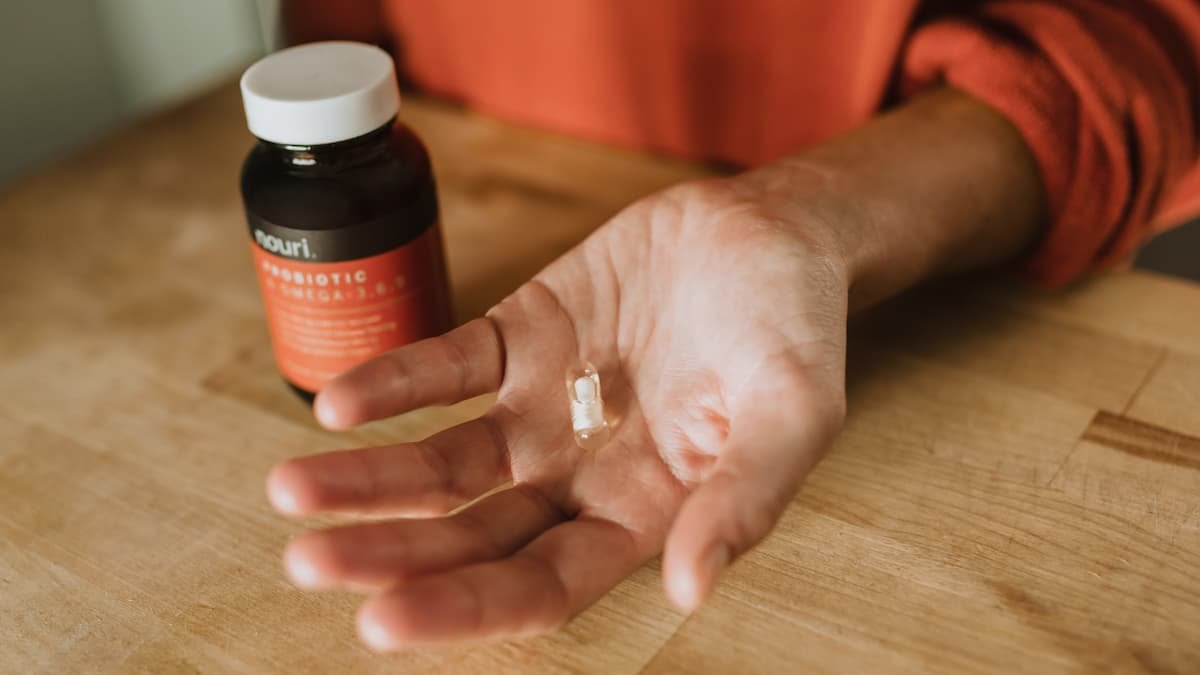
A probiotic could also be used to replenish the levels of good bacteria.
Initially, I would suggest taking the anti-bacterial supplement first, especially if the bloating is severe, as adding further bacteria, even the good guys could exacerbate symptoms until the bad bacteria are reduced.
This is especially true if Small Intestinal Bacterial Overgrowth is present.
Once the pathogenic bacteria are reduced the probiotic can then be added to replenish the good guys and ensure your microbiome becomes more balanced. This probiotic by Cytoplan is a good option. Feel free to use my discount code CYT35104-35-10 when ordeing.
How Can Nutrition Consultancy Can Help?
Having a Nutrition Consultation is a great way to find out what is causing the stomach bloating and how symptoms can be improved.
As a Nutrition Consultant, I offer stool analysis that checks for the levels of different types of gut bacteria and yeast within the gut through Genova Diagnostics or Invivo Healthcare.
This is not available on the NHS as unfortunately they don’t have the budget for it.
A SIBO breath test can also be done. Both this test and the stool analysis can be done from the comfort of your own home and then sent off to the laboratory to be analysed.
These tests really help get to the root cause of the problem and mean a specific plan can be put in place to improve and eradicate the symptoms.
The Nutrition Consultation process would involve filling out a questionnaire giving you the chance to explain your symptoms.
The questionnaire would then be analysed before a consultation.
The questionnaire would be discussed further at a very in-depth 90 minute Nutrition consultation.
At this point further testing might be advised before a personalised nutrition and possible supplement plan would be devised to help improve and hopefully eradicate the problem.
The consultations are done via Microsoft Teams, therefore you can work with me wherever you are based in the world.
If you would like more information and or to book a no-obligation call please feel free to get in touch.