
First things first, if I could provide a ground-stopping hangover cure I’d be a very rich man!.
Now obviously the best way to avoid a hangover is not to drink so much alcohol!
However, as a ‘grounded’ practitioner I understand everyone likes to let their hair down once in a while, myself included, and this time of year it is extremely common.
Though if you are worried about yours or someone else’s drinking you can get help by clicking the link.
What Causes A Hangover?
Hangovers vary from person to person but usually involve a headache, nausea, dehydration, and tiredness.
The main cause of the hangover is ethanol, the alcohol in your drinks.
Alcohol is broken down in the body by the enzyme alcohol dehydrogenase, high levels of this enzyme are present in both the liver and stomach.
However, when you drink a large amount in a short period (binge drinking) your body struggles to break the alcohol down.
When it is broken down this puts a lot of extra stress on the liver meaning it becomes ‘overworked’ causing a lot of the tiredness symptoms.
Alcohol is also a gastric irritant meaning it causes the stomach to become inflamed, which causes nausea symptoms.
To understand more of the risks of drinking alcohol check out the NHS information.

9 Tips to Lessen Your Chance of a Hangover
1. When you call it a night drink some water before you go to bed. Try and force 2 pints down yourself, this will help rehydrate you, therefore lessen the hangover the following day!
2. Take Milk Thistle before bed. This helps protect the liver, the liver has to remove the alcohol from the body, and milk thistle helps this process.
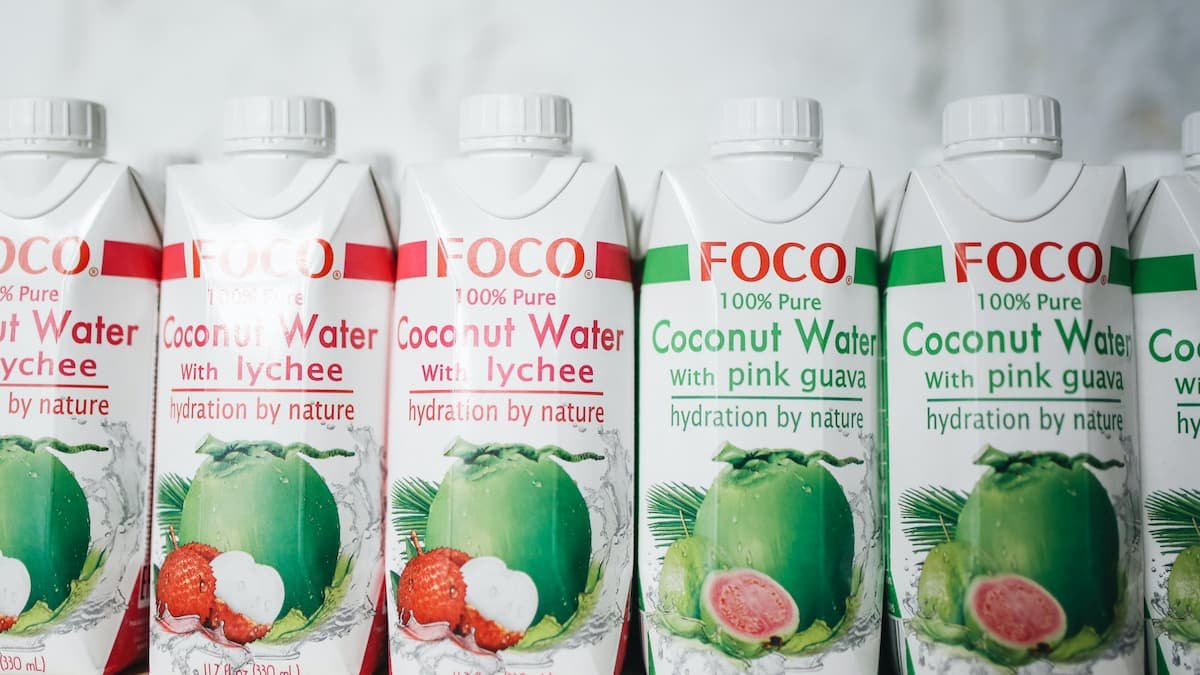
3. The morning after, consume coconut water, which is full of electrolytes that help rehydrate you.
Or you could make your rehydration drink by dissolving 1 teaspoon of salt and 1 tablespoon of sugar in 1 pint of water. Both drinks should lessen your hangover symptoms.
4. A glass of apple or cranberry juice is also a good idea to kick-start the recovery process.
The fructose in sweet fruity drinks gives the body some instant energy, and may even help boost metabolism to get rid of those horrible alcohol toxins.
Juice also contains vitamins and plenty of water to get the body rehydrated.
5. AVOID COFFEE!! Many people drink coffee as they think it will help ‘pick them up’ however it will just make you more dehydrated, lengthening your hangover.
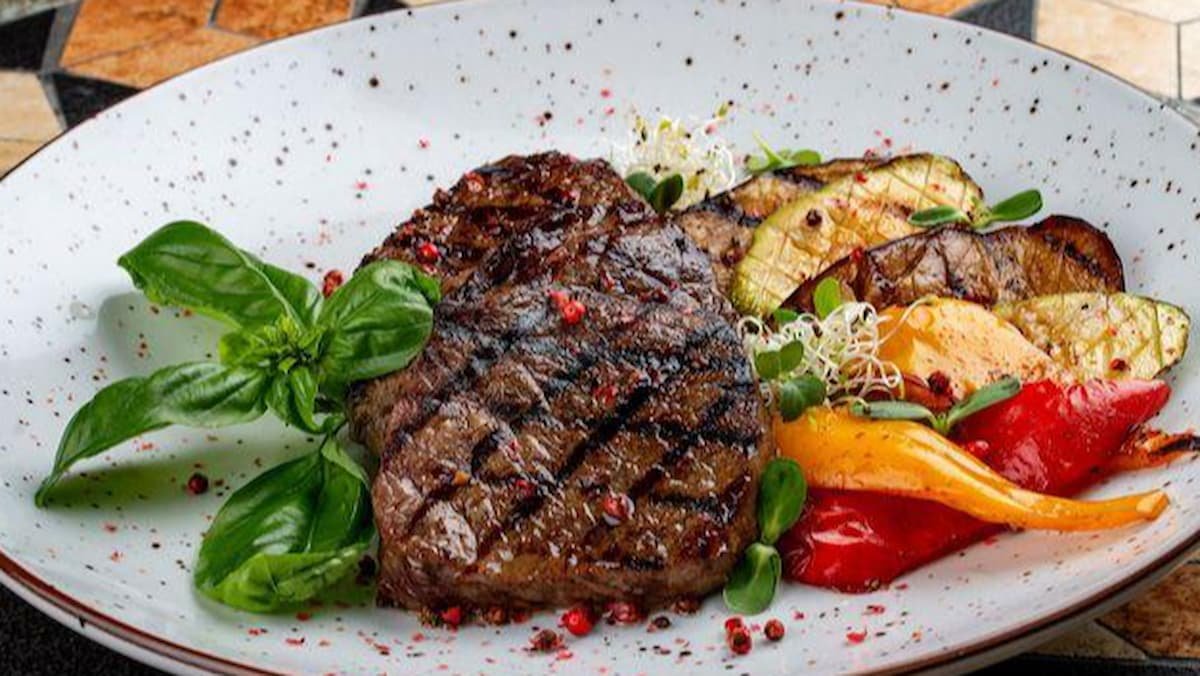
6. If you can stomach it have a good quality breakfast. Alcohol strips vitamins and minerals from the body, especially B vitamins.
Many people wake up feeling rather depressed after a ‘heavy’ night. This is often due to their B vitamins being depleted as B vitamins are involved in producing serotonin the ‘happy hormone’.
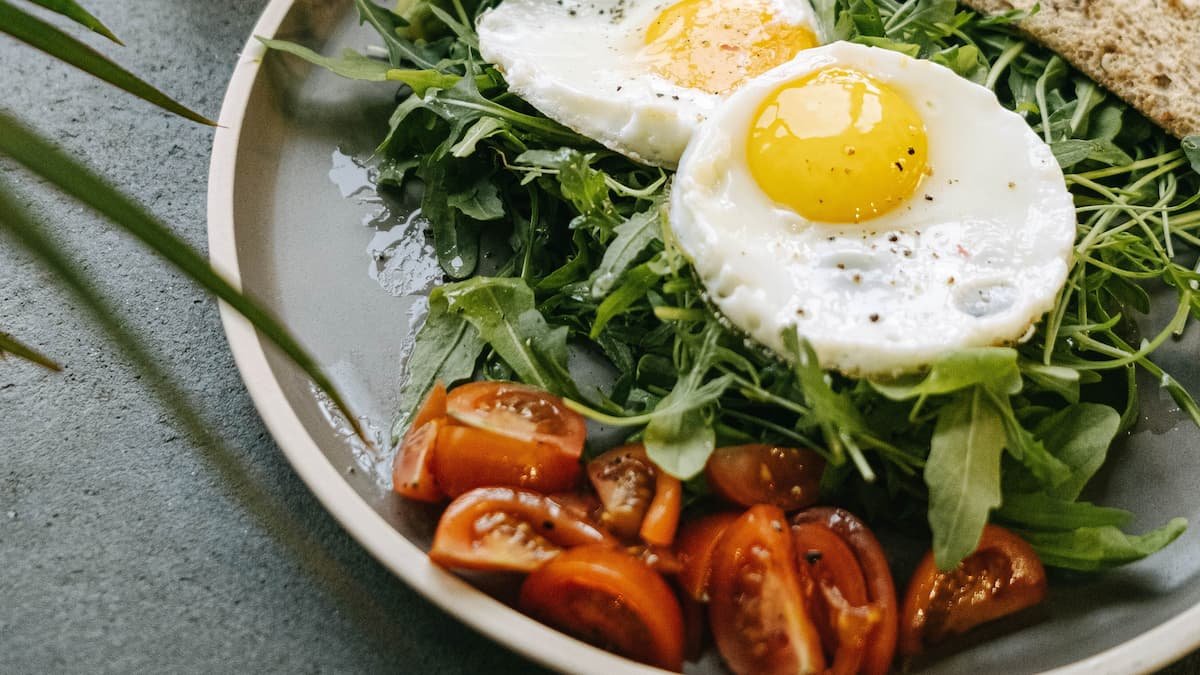
Therefore opt for some B vitamin-rich wholegrains e.g. wholemeal toast, with poached or scrambled eggs.
Eggs have the added benefit of being packed full of the amino acids Cysteine and Taurine. Taurine boosts liver function.
Cysteine breaks down acetaldehyde, the yucky headache-causing chemical that’s left over when the liver breaks down alcohol.
Top the eggs with some vitamin C-rich tomatoes. These contain lycopene, an antioxidant that reduces inflammation in the body.
Tomatoes also contain fructose and vitamin C to give the liver a boost.
Wash it all down with a glass of fresh orange juice, also high in vitamin C.
If you really can’t stomach this even a small bowl of cereal fortified with B vitamins should help redress some of the damage caused by the previous night’s antics!
7. Eat bananas and kiwis for snacks, these brightly colored fruits are loaded with potassium, an important electrolyte that is depleted due to alcohol’s diuretic effect.
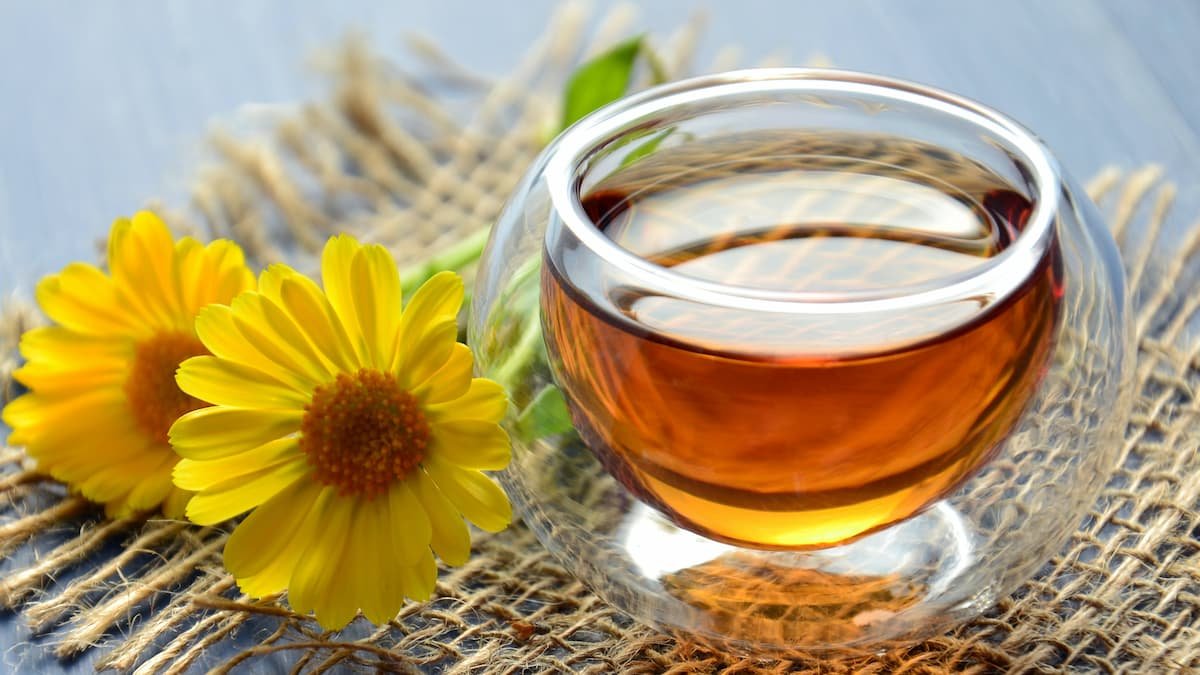
8. If you feel sick and/or have stomach cramps try ginger or peppermint tea.
Studies show that ginger tea can reduce nausea and motion sickness. Peppermint tea can also ease stomach pain and decrease nausea.
9. Avoid ibuprofen as this will help your headache, but damage your stomach lining further, causing further gastrointestinal symptoms.
I hope this helps one morning or maybe 4 or 5 over the festive period! For more comprehensive nutrition advice please check out my Nutrition Consultancy services.