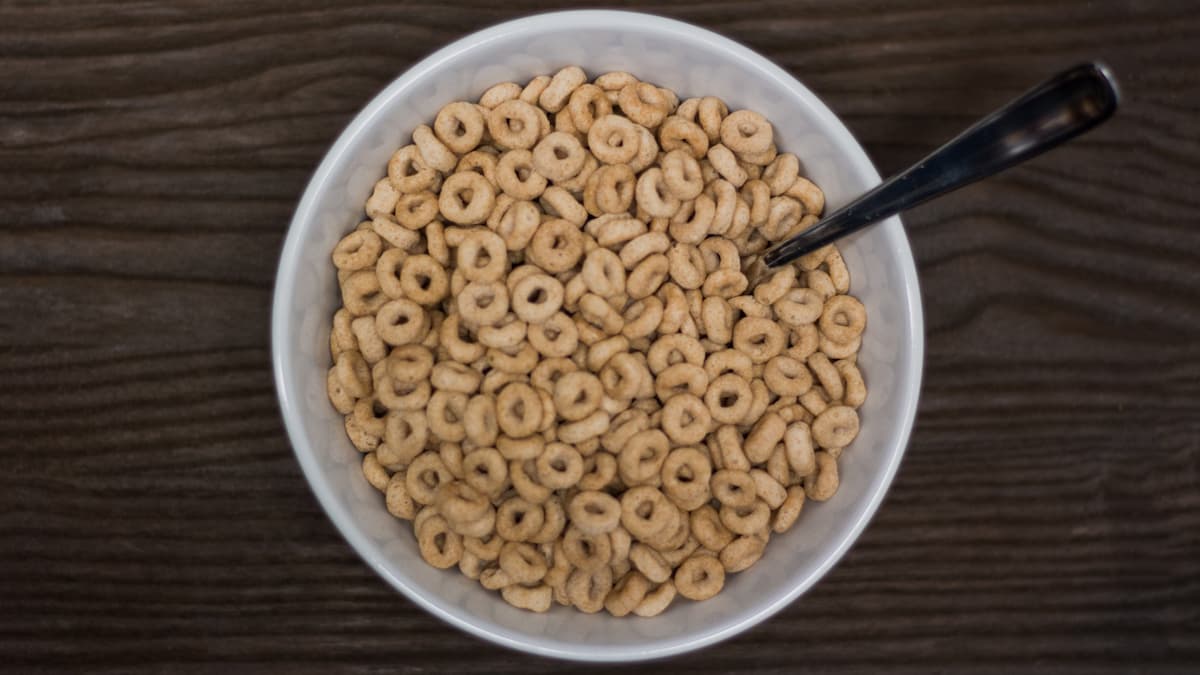
If you asked many people what is a healthy breakfast? Many people would likely reply with ‘cereal’.
A large amount of people eat cereal when they get up in a morning and think it’s a healthy breakfast, it’s also quick. You just pour the cereal into the bowl, add some milk and it’s ready.
In today’s stressful and busy, lifestyles many see it as the easiest option. They also genuinely think it’s a healthy breakfast option. But why is that?
Misleading Marketing Making Us Think We’re Having a Healthy Breakfast
The reason for this is due to misleading marketing.
Marketing can turn a poor breakfast choice into a healthy breakfast choice in many people’s eyes.
I was once told by a Marketing Manager ‘You can sell any rubbish if you market it well’!
You often see adverts for various kinds of cereal saying that they are low in fat, in most cases this is true, but the problem with low-fat products is that they are often high in sugar!
Leading me to my point of why cereal isn’t a healthy breakfast option.
High Sugar Content
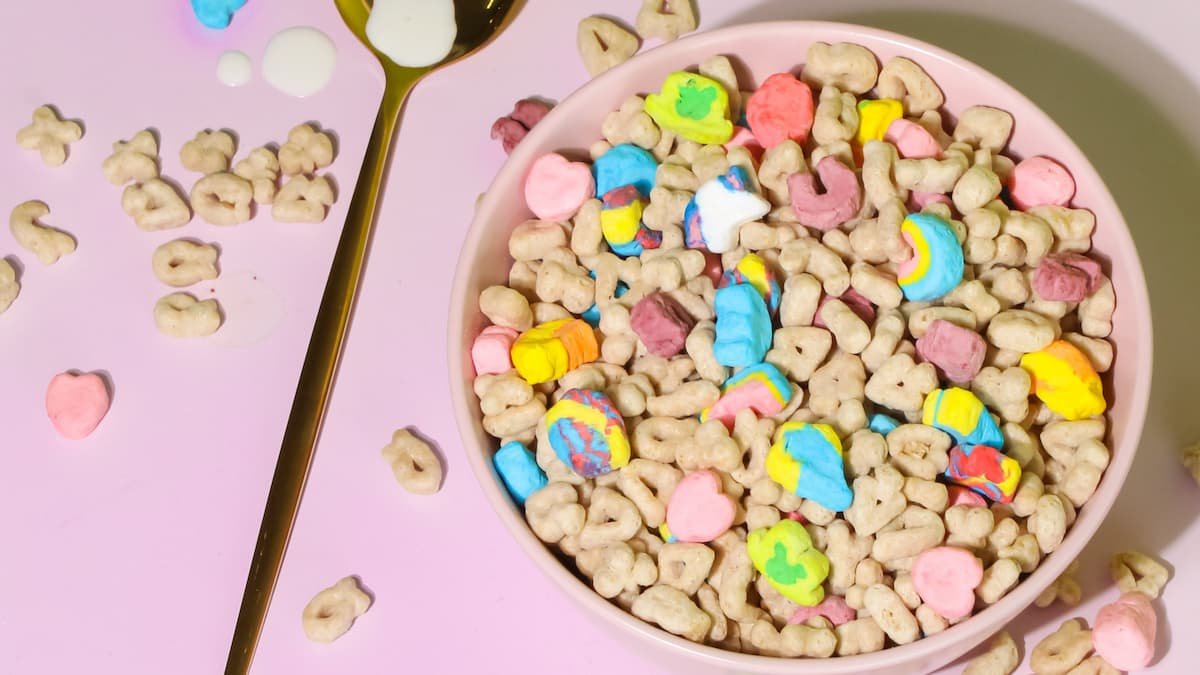
Cereal is generally high in sugar. Another reason why it’s not a healthy breakfast option.
When you eat it first thing in the morning it will cause your blood sugar to rise rapidly.
This will then quickly drop as your pancreas releases copious amounts of insulin, to enable the sugar to be absorbed in the liver and muscles.
Fat Storage
However, there is a problem with this.
The liver and muscles can only store a limited amount of glucose and therefore once these stores are full the glucose is converted into fat and stored in the adipose tissue around your waist and hips.
Hunger
The drop in blood sugar also causes fatigue and hunger leading you to go hunting for the biscuit tin by mid-morning, hence eating more sugary snacks. Therefore the cycle continues.

The Glycaemic Index
Even if your cereal is low in sugar it can still be heavily processed.
An example of this could be rice cereal that is available in various Health Food Stores. Yes, it is sugar-free, but it is high in something called the Glycaemic index.
The glycaemic index is a number given to food depending on its ability to increase the level of glucose in the blood.
The higher the number the bigger the effect on your blood sugar.
Glucose itself is 100, were as porridge is around 40.
Rice cereal however is around 80, therefore although it doesn’t contain sugar the fact it’s heavily processed means it will still rapidly increase blood sugar and cause similar issues to high-sugar cereals.
What Should I Eat?
So, what should you eat instead?
A healthy breakfast would contain foods lower in the glycaemic index or combinations of foods that lower the effect it has on your blood sugar. Take a look at a glycaemic index chart.
Slow-Release Carbohydrates
Slow-release carbohydrates are an excellent start.
These carbohydrates are broken down more slowly by the body and therefore the sugar they produce is released more slowly into the bloodstream.
These carbohydrates are usually unprocessed and high in fiber. The fiber slows the digestion of the food. An example of this is porridge oats.
Proteins and Fats
Protein also slows the digestion of a meal so things like eggs and fish are great breakfast options.
Healthy fats are also great as they are digested more slowly so again helping keep you full for longer. Nuts and seeds are great additions to a bowl of porridge.
Good Breakfast Options
- Porridge made with milk/water with chia seeds and berrie fruits
- Scrambled egg on a slice of wholemeal toast
- Smoked salmon with avocado and spinach
- Banana split lengthways with peanut butter and cashew nuts added to the middle
- Natural yogurt with chopped nuts, berry fruits and cinnamon
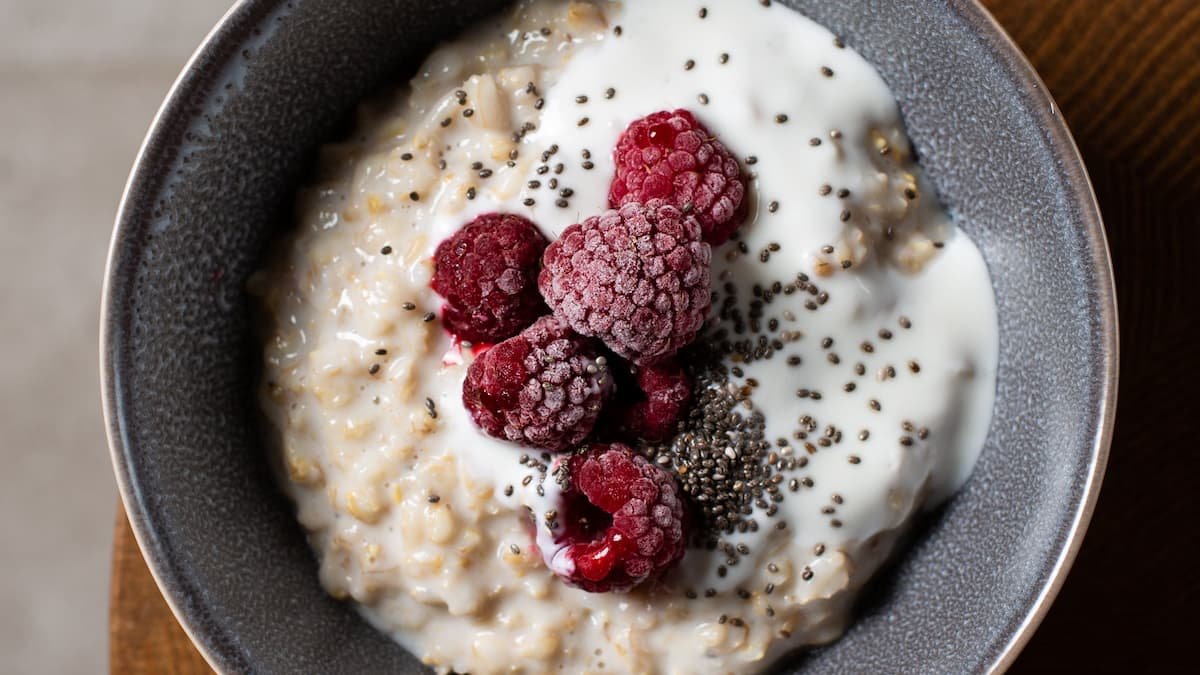
There you have it, if you want to avoid blood sugar spikes, have sustained energy levels throughout the day, and reduce the amount of fat around the abdomen, ditch the breakfast cereal and try some of the options above.
If you are interested in more advice on nutrition please check out the Nutritional Therapy section of my website.