
Your breath is one of the fastest ways to influence your nervous system.
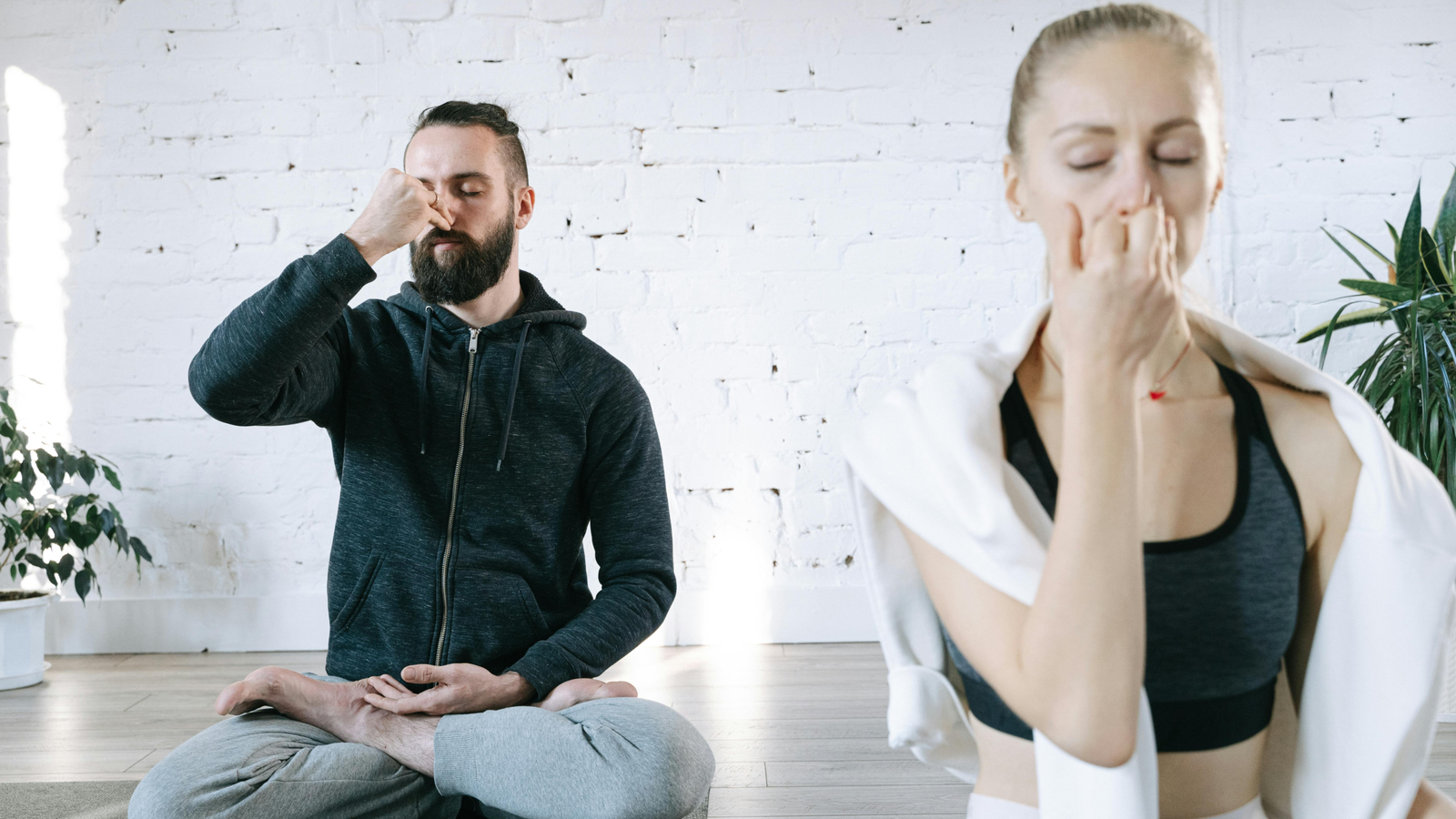
By using specific breathing techniques, you can directly stimulate the vagus nerve and promote relaxation.
Why Breathing Affects the Vagus Nerve
Slow, controlled breathing activates the parasympathetic nervous system via the vagus nerve.
This leads to:
- Reduced heart rate
- Lower stress levels
- Improved mental clarity
For endurance athletes, improving parasympathetic activity can be particularly important for recovery. Better autonomic balance may support heart rate variability (HRV), sleep quality and recovery between training sessions. I explore this further in my article on Nurosym for exercise recovery and endurance athletes.
Best Breathing Techniques for Vagal Tone
1. Diaphragmatic Breathing
- Breathe deeply into your belly
- Keep chest movement minimal
- Aim for slow, controlled breaths
2. 4–6 Breathing
- Inhale for 4 seconds
- Exhale for 6 seconds
- Longer exhales increase vagal activation
3. Box Breathing
- Inhale (4 seconds)
- Hold (4 seconds)
- Exhale (4 seconds)
- Hold (4 seconds)
4. Humming Breathing
Humming stimulates the vagus nerve through vibration in the throat.
How Often Should You Practice?
For best results:
- 5–10 minutes daily
- Especially during stress
- Before sleep
While breathing techniques can be very effective, if you’re not seeing results it may be a sign that your vagal tone needs more support.
Many people experience symptoms without realising they’re linked to the nervous system.
👉 Signs Your Vagus Nerve Is Not Functioning Well — where I break down the key signs to look out for and what they mean.
The Limitation
Breathing is powerful—but requires consistency.
For a more structured approach, some people combine breathwork with a clinically backed vagus nerve stimulation device to enhance results.
A More Consistent Approach
Nurosym provides targeted stimulation without relying purely on technique.
It’s designed to:
- Promote relaxation
- Improve recovery
- Support mental clarity
If you’re considering using a device, I’ve broken down the science, benefits, and real-world use here:
👉 Discover 7 Amazing Benefits of Nurosym
In my work as a Nutritional Therapist, I often recommend breathing techniques as a starting point for managing stress—but many clients benefit even more when they combine these with consistent vagus nerve support to help regulate their nervous system more effectively.
One of Nurosym’s biggest advantages is its practicality. Unlike breathing exercises, which require dedicated time and concentration, Nurosym can be worn while you’re working, watching TV, reading or relaxing. If finding time is your biggest challenge, read my guide to Nurosym for Busy People, where I explain why this convenience makes it easier to build a consistent vagus nerve stimulation routine.
If you want a deeper understanding of how vagus nerve stimulation can help reduce stress and improve nervous system balance, I cover it in detail here:
👉 Vagus Nerve Stimulation for Stress Relief
If you’re interested in additional strategies to support recovery and nervous system regulation, you may also enjoy my guide on how Nurosym may help improve recovery, HRV and endurance performance.
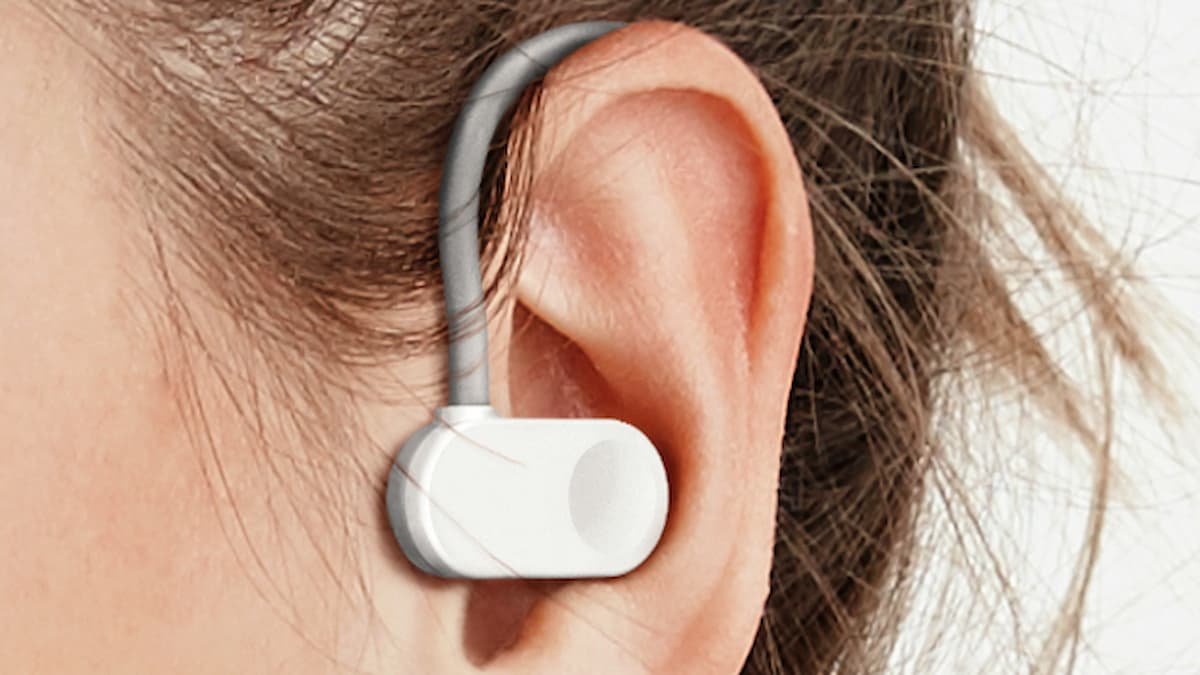
👉 Claim your 10% Nurosym discount
(Automatically applied at checkout—no code required.)
Want more strategies?
👉 How to Stimulate the Vagus Nerve Naturally