
As temperatures drop and daylight hours shorten, it becomes even more important to prioritise your health. Winter places extra demands on both your immune system and mental well-being.
Increased exposure to indoor environments means more circulating viruses, while shorter, darker days can negatively impact mood, motivation and energy levels.
Supporting your body with targeted winter supplements can help you stay resilient, strong, and energised throughout the colder months. Below are five of the most beneficial supplements to consider — plus how each one supports your body during winter.

1. Vitamin D
Vitamin D is arguably the most important supplement to take throughout the winter months. It supports immune function, strengthens bones, and plays a crucial role in producing serotonin and dopamine — neurotransmitters essential for mood and mental well-being.
During summer, around 10 minutes of sun exposure is often enough to meet your daily needs. In contrast, during autumn and winter you would need almost two hours of sunlight, which simply isn’t achievable in the UK climate.
During the summer months more of the body is generally exposed to the sun and therefore just 10 minutes of exposure to the sun is enough to get your daily intake of vitamin D.
In contrast, during the autumn and winter months around 2 hours of sun exposure is needed which is impossible for most people.
For this reason, The World Health Organisation recommends a daily supplement. A high-quality, highly absorbable liquid Vitamin D supplement is one of the easiest ways to maintain healthy levels. Click the Vitamin D link and feel free to use my discount code P7891 when purchasing high-quality vitamin D from the Nutritional Therapist trusted brand Biocare.
👉 Read more about why Vitamin D is so essential in my blog:
How to Avoid Vitamin D Deficiency & Explore Its 6 Amazing Benefits
2. Vitamin C
Winter is peak cold and flu season, making immune support more important than ever. Vitamin C helps stimulate white blood cell activity, supporting your body’s defence mechanisms.
While research shows vitamin C doesn’t necessarily prevent colds, studies demonstrate that regular supplementation can shorten the duration and reduce symptom severity.
For athletes or anyone performing intense exercise, taking vitamin C for two to three weeks before strenuous activity has been shown to cut the risk of catching a cold by half.
A study found that taking a vitamin C supplement regularly didn’t necessarily prevent people from getting colds, but it did reduce the duration of the cold and the severity of symptoms.
The study also found that people who are exposed to short periods of strenuous activity e.g., marathon runners reduced their chances of developing a cold by half if they regularly took vitamin C for two to three weeks before their strenuous activity.
Buffered forms of vitamin C (e.g., with magnesium) are ideal for avoiding stomach irritation.
Biocare offers a trusted buffered option for a vitamin C supplement. Please feel free to use my discount code P7891 when purchasing this vitamin C supplement.

3. Zinc
Zinc is another powerful immune-supporting nutrient and plays a key role in the production and function of immune cells.
Just like vitamin C, zinc has been shown to reduce the duration of winter colds, making it a valuable addition to your winter supplement routine.
If you’d like to try a high-quality, easily absorbed liquid zinc supplement, you can use discount code P7891 at checkout.
4. Omega 3
Winter can be tough on mood, especially for those who experience Seasonal Affective Disorder (SAD). Omega-3 fatty acids help the body produce dopamine and support the effectiveness of serotonin — often called the “happy hormone”.
Research also suggests that omega-3 supplementation can have significant positive effects on low mood and emotional well-being.
A study suggests the supplementation of omega-3s has a positive impact on depression. Therefore, omega 3s are another one of the supplements you should certainly consider if the winter negatively impacts your mood.
A good quality omega-3 supplement by the Nutrition Practitioner trusted Cytoplan, can be found by clicking the omega-3 supplement link. Feel free to use my discount code CYT35104-35-10.
5. Good Quality Probiotic Supplements (Plus Why You Should Add Prebiotics)
A healthy gut is foundational to a healthy immune system. Around 70% of your immune cells reside in your digestive tract, continually communicating with your gut microbiome. When gut bacteria become imbalanced, immunity can weaken.
BioCare’s Bioacidophilus is a trusted, high-quality probiotic I regularly use with clients. You can apply the discount code P7891 when purchasing.
👉 Learn more about gut health and immune resilience in my blog:
6 of the Best Leaky Gut Supplements
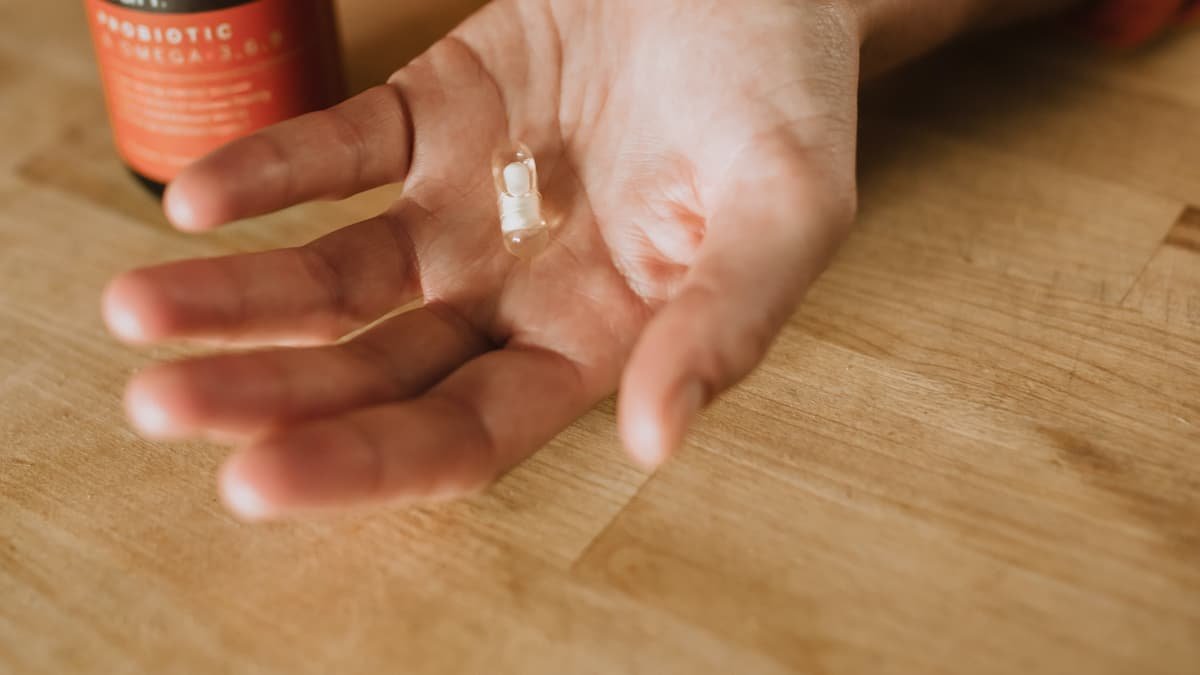
✨ NEW: Don’t Forget Prebiotics — the “Food” for Your Probiotics
While probiotics provide beneficial bacteria, prebiotics feed those bacteria, helping them grow, thrive, and support immune function more effectively. During winter — when immunity is under greater strain — combining both can lead to significantly better results.
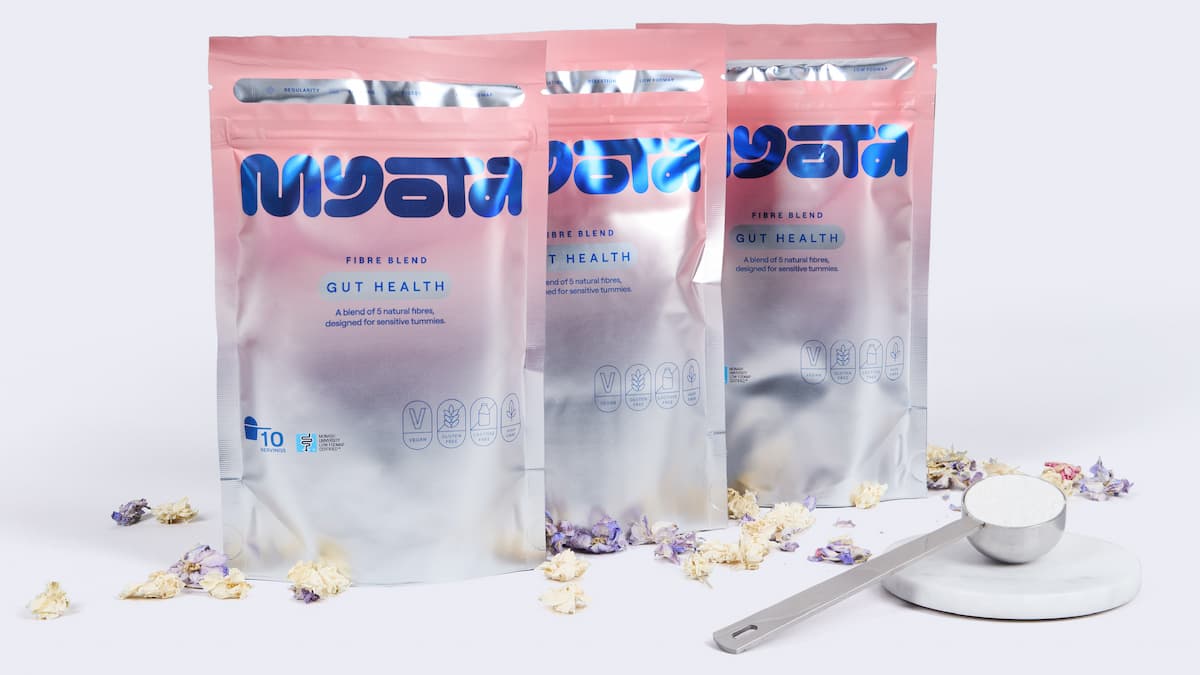
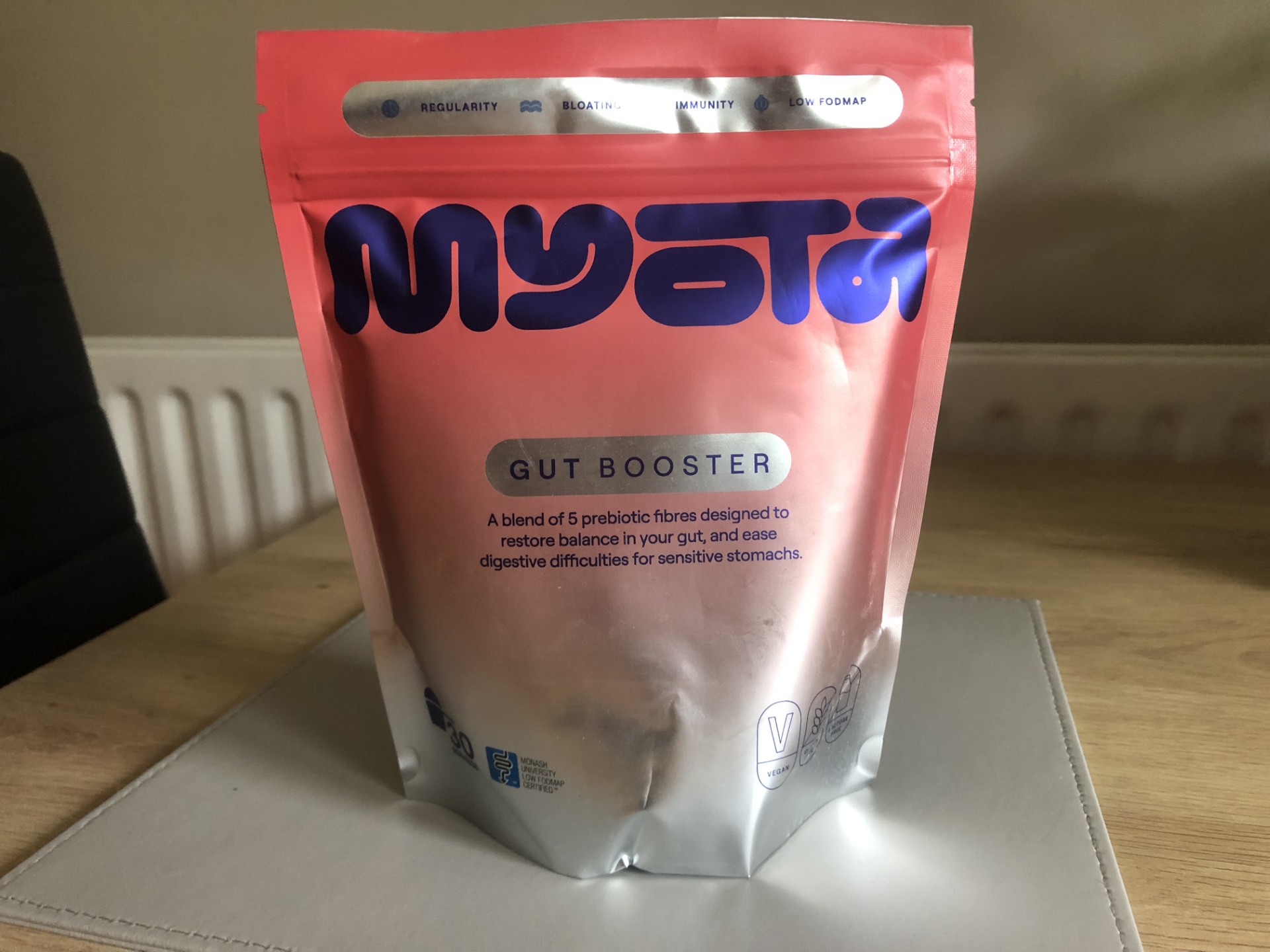
One of my favourite prebiotic blends is from Myota, which uses clinically researched fibres tailored to improve gut health, immune resilience, digestion and metabolic balance.
You can read more about Myota and the science behind prebiotics here:
👉 Myota Prebiotic Benefits + Discount
Feel free to use my Myota discount code: ULTIMATE20
Why Supplements Provide a Therapeutic Advantage
Most of these nutrients can be found in food — except Vitamin D, which is extremely difficult to maintain through diet alone. However, due to modern farming practices, soil depletion, and busy lifestyles, many people struggle to reach optimal nutrient levels from diet only.
Supplements deliver therapeutic doses, enabling your body to benefit more significantly, especially in winter when demands are higher.
Before starting new supplements, it’s always advisable to speak with a healthcare professional, such as myself, as individual requirements vary.
If you’re interested in booking a Nutritional Therapy consultation, you can learn more about the process on my website. And if you have any questions about this blog, feel free to contact me.
Final Thoughts
Winter can challenge both body and mind, but taking steps to support your health can make a huge difference. With the right combination of high-quality supplements — and the addition of smart prebiotic and probiotic support — you can navigate the colder months with enhanced immunity, balanced mood, and greater vitality.