
Feeling tired all the time? Struggling to concentrate, feeling unusually exhausted after exercise or simply not feeling like yourself? There can be many reasons for these symptoms, but one possibility worth investigating is low ferritin.
Ferritin is a protein that stores iron in your body. When your ferritin is low, it can indicate that your iron stores are running low, even if your haemoglobin is still within the normal range.
As a Nutritional Therapist with a specialist interest in gut health, I regularly look at how nutrition, digestion and lifestyle can influence overall wellbeing. I’ve also experienced low ferritin myself as an endurance runner. My ferritin was 17 µg/L, despite not being anaemic, and I wrote about how it increased to 53 µg/L over the following ten weeks.
In this article, I’ll explain what low ferritin means, common symptoms and causes, how diet can help, and what to consider when choosing an iron supplement.
What Is Ferritin?
Ferritin is a protein that stores iron and releases it when your body needs it. Most of the body’s iron is used to produce haemoglobin, the protein in red blood cells responsible for transporting oxygen around the body.
Iron is also involved in energy production and several other important processes.
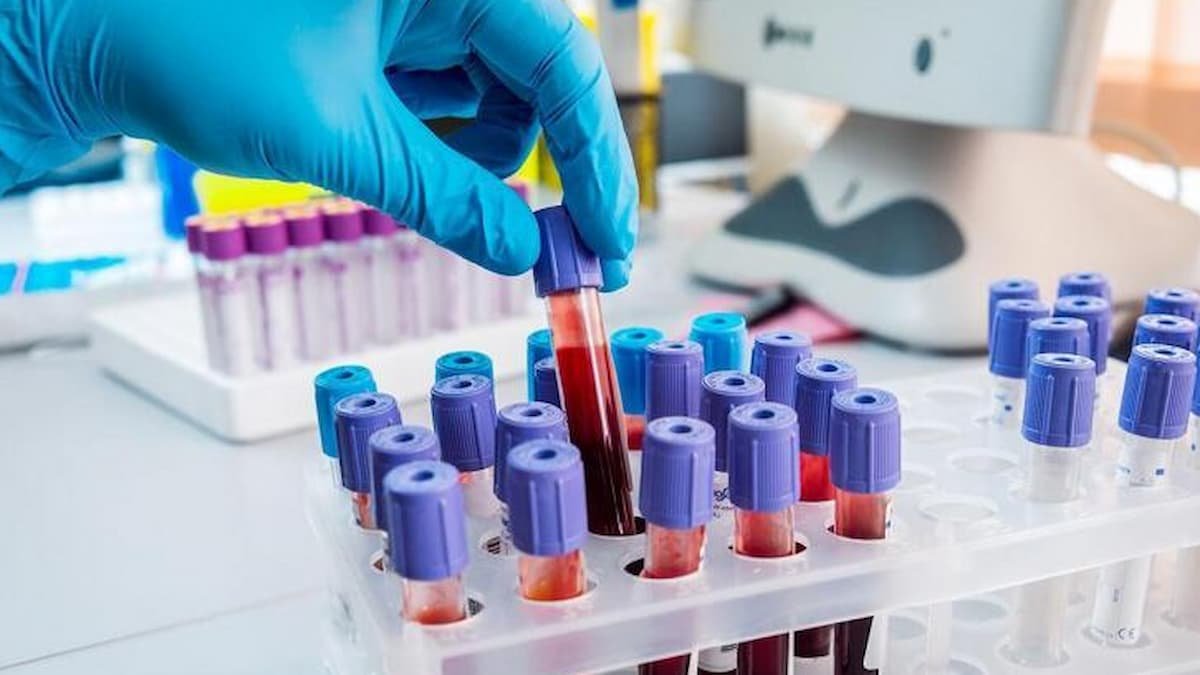
A ferritin blood test provides an indication of your body’s iron stores. When ferritin is low, it generally means your iron reserves are becoming depleted.
Importantly, you can have low ferritin without being anaemic. This is sometimes called iron deficiency without anaemia.
Anaemia develops when your haemoglobin falls below the normal range. Iron stores can become depleted before this happens, meaning that a normal haemoglobin result doesn’t necessarily rule out low iron stores.
What Is Considered a Low Ferritin Level?
Ferritin results are usually reported in micrograms per litre (µg/L).
A ferritin level below 15 µg/L is generally indicative of absent iron stores, while a level below 30 µg/L is commonly used to indicate low body iron stores.
However, ferritin needs to be interpreted in context. It can rise in response to inflammation or infection, which means a result within the laboratory’s normal range doesn’t always rule out iron deficiency.
There isn’t one ideal ferritin level that applies to everyone. Your symptoms, medical history, haemoglobin and other blood results all matter.
The British Society of Gastroenterology’s guidelines on iron deficiency anaemia explain how ferritin is used to assess iron stores and why results need to be interpreted carefully.
If you’ve received a low ferritin result, it’s worth discussing it with your GP rather than trying to interpret the number in isolation.
What Are the Symptoms of Low Ferritin?
Low ferritin doesn’t always cause noticeable symptoms. However, some people experience symptoms before they develop anaemia.
Possible symptoms include:
- Persistent tiredness: Feeling exhausted despite getting enough sleep.
- Low energy: Finding everyday activities more tiring than usual.
- Poor concentration: Difficulty focusing or feeling mentally sluggish.
- Reduced exercise tolerance: Finding exercise more difficult than usual.
- Headaches: Experiencing headaches more frequently.
- Restless legs: An uncomfortable urge to move your legs, particularly when resting.
- Hair loss: Noticing more hair shedding than usual.
- Brittle nails: Nails that become weak or break easily.
These symptoms are not specific to iron deficiency. Fatigue, for example, can also be associated with poor sleep, thyroid problems, stress, infections and many other conditions.
Research has investigated the relationship between iron deficiency without anaemia and fatigue. A systematic review found that iron supplementation may reduce self-reported fatigue in some non-anaemic, iron-deficient adults, although improvements in objective measures of physical capacity were not demonstrated.
This suggests that iron deficiency may contribute to fatigue in some people, but it doesn’t mean that everyone experiencing tiredness has low ferritin or will benefit from iron supplementation.
For readers interested in the science: Read the systematic review on iron supplementation, fatigue and physical capacity.
If you’re experiencing persistent symptoms, a blood test and discussion with your GP can help establish whether low ferritin may be contributing.
What Causes Low Ferritin?
There isn’t one single cause of low ferritin. It can develop for several reasons, and sometimes more than one factor is involved.
1. Not Getting Enough Iron From Your Diet
Iron is found in a variety of foods, including meat, fish, beans, lentils, nuts, seeds and fortified cereals.
People who eat little or no meat may need to pay particular attention to their iron intake because plant-based iron is generally less easily absorbed than the iron found in animal foods.
However, a varied diet can provide useful amounts of iron, and being vegetarian or vegan doesn’t automatically mean you’ll become iron deficient.
2. Heavy Menstrual Bleeding
Heavy periods are a common cause of iron deficiency in women of reproductive age.
If you regularly experience heavy menstrual bleeding, you may lose more iron than you’re able to replace through your diet.
This can gradually deplete your iron stores, even if you’re eating a reasonably balanced diet.
3. Pregnancy
Iron requirements increase during pregnancy because your body needs to support your own increased blood volume as well as your developing baby.
If you’re pregnant or planning a pregnancy, discuss your iron requirements and any supplements with your midwife or GP.
4. Blood Loss
Blood loss can occur for several reasons, including heavy periods, blood donation and gastrointestinal bleeding.
Unexplained iron deficiency, particularly in men and postmenopausal women, needs appropriate medical investigation. It shouldn’t simply be assumed to be caused by inadequate dietary iron.
5. Problems With Iron Absorption
Even if you’re eating enough iron, your body may not be absorbing it effectively.
Conditions such as coeliac disease and some gastrointestinal disorders can interfere with nutrient absorption. Certain medications and gastrointestinal problems may also play a role.
This is one reason why it’s important to consider digestive health when investigating persistent low ferritin.
How Can You Increase Ferritin Through Diet?
If your iron stores are low, improving your dietary iron intake can be a useful part of your overall approach.
There are two main forms of dietary iron: haem iron and non-haem iron.
Haem iron is found in animal foods such as red meat, poultry and fish. It is generally absorbed more efficiently.
Non-haem iron is found in plant foods such as beans, lentils, nuts, seeds and leafy green vegetables. Its absorption is more variable, but these foods can still make a valuable contribution to your iron intake.
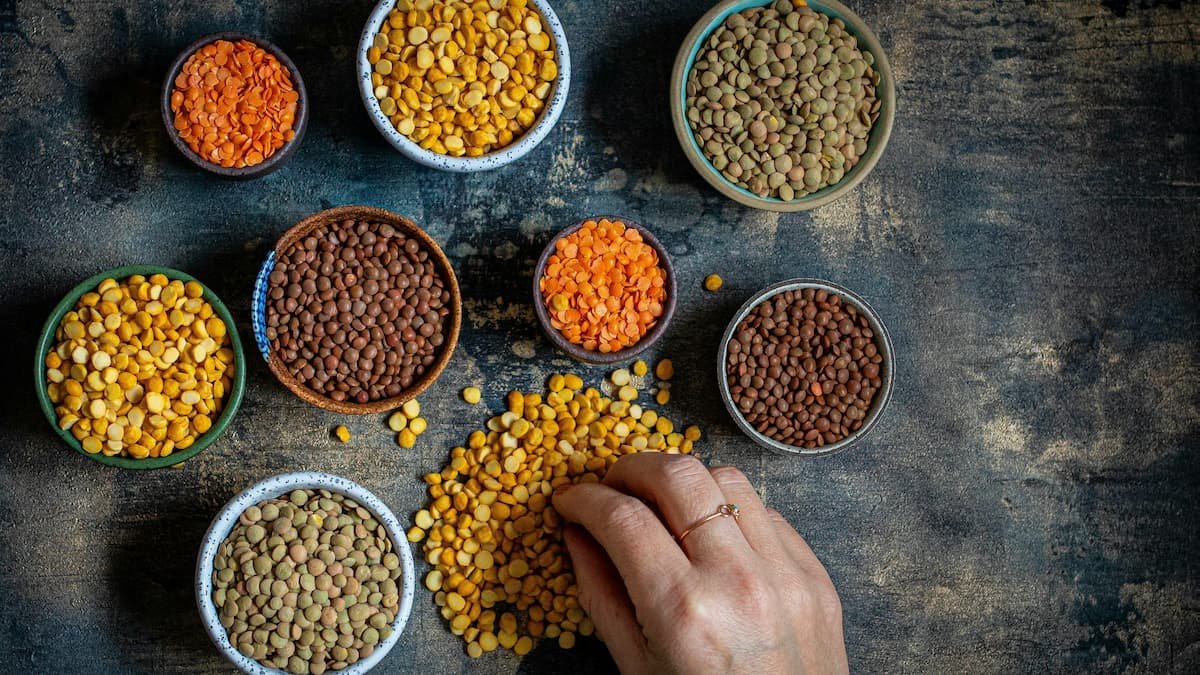
Some useful dietary sources of iron include:
- Lean red meat
- Liver
- Poultry and fish
- Beans, lentils and chickpeas
- Tofu
- Pumpkin seeds and nuts
- Dark green leafy vegetables
- Fortified breakfast cereals
- Dried apricots and other dried fruit
Liver is extremely rich in iron, but it contains high levels of vitamin A. It should not be eaten during pregnancy.
Improve Iron Absorption With Vitamin C
Vitamin C can help your body absorb non-haem iron from plant foods.
Try combining iron-rich foods with vitamin C sources such as:
- Peppers
- Oranges
- Kiwi fruit
- Strawberries
- Broccoli
- Tomatoes
For example, adding peppers to a lentil dish or having fruit alongside an iron-fortified breakfast can help increase the amount of iron absorbed.
Be Mindful of Tea and Coffee
Tea and coffee contain compounds called polyphenols, which can reduce the absorption of iron from food.
If you’re trying to improve your iron intake, it may be helpful to avoid drinking tea or coffee with iron-rich meals. Leaving a gap between them can be particularly useful if you’re taking an iron supplement.
Calcium supplements and some calcium-rich foods can also interfere with iron absorption when consumed at the same time.
Small changes to how you combine foods and drinks can help, although dietary adjustments alone may not be enough to correct an established deficiency.
For further information on dietary iron, the NHS guide to iron is a useful resource.
Can Iron Supplements Increase Ferritin?
If blood tests confirm iron deficiency, your GP may recommend an iron supplement.
Conventional iron supplements, such as ferrous sulfate, are commonly used to treat iron deficiency anaemia. However, they can cause digestive side effects, including constipation, nausea, abdominal discomfort and diarrhoea.
If you struggle to tolerate one type of iron, speak to your GP or pharmacist. Different preparations and dosing schedules may be available.
It’s important not to take high-dose iron supplements without appropriate advice. Too much iron can be harmful, and taking iron when you don’t need it may delay the diagnosis of the actual cause of your symptoms.
What About Gentler Iron Supplements?
Some people look for alternative iron preparations because they find conventional iron tablets difficult to tolerate.
Products such as liquid iron supplements may appeal to people who prefer not to take tablets. However, the amount of iron they provide varies, and they may not be sufficient to treat a confirmed deficiency.
If your ferritin is low, discuss the most appropriate form and dose of iron with your healthcare professional.
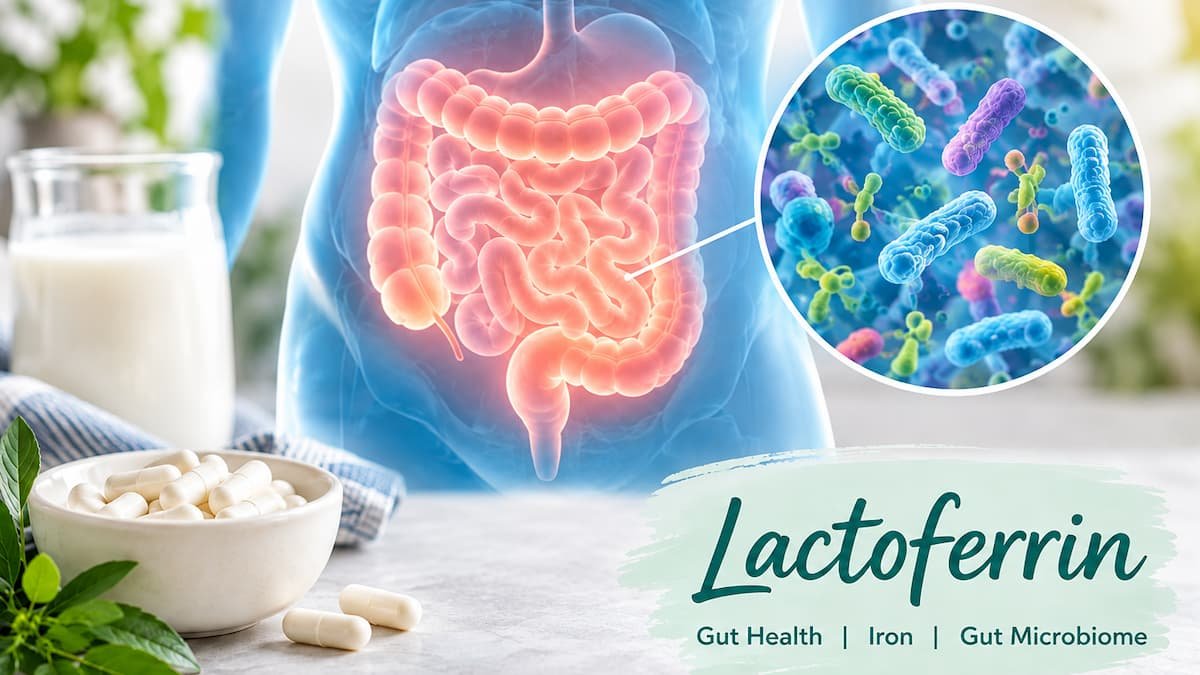
What Is Lactoferrin?
Lactoferrin is an iron-binding protein naturally found in milk and other body fluids. It has been studied for its potential role in iron metabolism and immune function.
Some research has investigated lactoferrin in people with iron deficiency, including its possible effects on iron status and tolerability.
However, the evidence is still developing. Lactoferrin should not be regarded as a proven replacement for prescribed iron treatment.
I have written more about this in my article on the benefits of lactoferrin.
I also use and discuss Jarrow Formulas Lactoferrin, which contains apolactoferrin. If you’re interested in the product, you can find it through my Healf discount link.
The great thing about the link is that the 10% discount applies across the Healf store, so you can also use it on other supplements and practitioner-grade health products available through Healf.
This is an affiliate link, which means I may receive a commission if you purchase through it, at no additional cost to you.
As with any supplement, it’s important to consider whether it’s suitable for you and whether it meets your individual needs. If you’ve been diagnosed with iron deficiency, speak to your GP before using lactoferrin instead of a recommended treatment.
For readers interested in the science: Read the research comparing oral lactoferrin and ferrous sulfate. The studies suggest potential benefits, but further research is needed to establish how lactoferrin should be used in practice.
Could Gut Health Be Affecting Your Iron Levels?
Your digestive system plays an important role in absorbing nutrients, including iron. If you have persistent digestive symptoms or a condition that affects absorption, it may be worth discussing this with your GP.
Coeliac disease, for example, can affect the small intestine and interfere with nutrient absorption. Other gastrointestinal conditions may also contribute to nutritional problems.
This doesn’t mean that everyone with low ferritin has a gut problem. However, if low ferritin occurs alongside ongoing bloating, diarrhoea, abdominal discomfort or other digestive symptoms, it’s worth investigating.
I’ve written more about digestive health and intestinal permeability in my article on leaky gut in endurance runners. Although that article focuses on athletes, some of the digestive-health principles may be relevant to a wider audience.
What About Probiotics?
Probiotics are live microorganisms that may provide health benefits in certain circumstances. However, different strains have different properties, and probiotics aren’t a treatment for low ferritin.
If you’re considering probiotics because of digestive symptoms, it’s important to choose a product appropriate to your individual circumstances.
For people interested in histamine intolerance, I’ve written a separate article exploring probiotics that may be less likely to produce histamine:
Non-histamine-producing probiotics: benefits and what to consider
This is a separate topic from iron deficiency, and there is currently no reason to assume that taking a probiotic will increase ferritin.
My Own Experience of Low Ferritin
I experienced low ferritin myself following a minor kidney operation in April 2026.
My ferritin was 17 µg/L, although my haemoglobin was normal, so I wasn’t anaemic. I was also conscious of how my energy levels were affecting my running and general wellbeing.
My GP offered me conventional iron tablets. After discussing my options, I chose to use Spatone as an alternative source of iron, with my GP’s agreement, partly because I was concerned about the potential digestive side effects of conventional iron tablets.
Alongside Spatone, I also took lactoferrin. I made some dietary changes, including eating pigs’ liver twice a week , and paid more attention to my training and recovery.
Over approximately ten weeks, my ferritin increased from 17 to 53 µg/L. I also noticed a significant improvement in my energy.
I can’t say which part of my approach was responsible for the change. My experience is a personal account, not a clinical trial, and my circumstances and response may be different from yours.
I’ve written about the details of my experience in Low Ferritin in Runners: How I Raised Mine From 17 to 53.

When Should You Speak to Your GP?
If you think you may have low ferritin, speak to your GP rather than starting high-dose iron supplements yourself.
A blood test can help establish whether you have iron deficiency or anaemia. Your GP may also consider other tests depending on your symptoms and medical history.
Could Nutritional Therapy Help?
If you’ve been diagnosed with low ferritin, or you’re struggling to improve your diet, a personalised nutritional assessment may help you identify practical ways to support your overall nutritional intake.
As a Nutritional Therapist, I can help you review your dietary habits, consider potential gaps in your nutrition and explore how your food choices fit around your lifestyle and health goals.
Where appropriate, this may include looking at digestive symptoms and discussing questions you may want to raise with your GP.
Nutritional Therapy doesn’t replace medical investigation or treatment. However, it can complement your healthcare by helping you make informed, sustainable changes to your diet.
If you’d like support with your nutrition, you can find out more about my Nutritional Therapy services.
Combining Nutrition and Personal Training
Nutrition is only one part of overall health. Regular exercise, strength training and recovery are also important for maintaining fitness and wellbeing.
I offer a combination of Personal Training and Nutritional Therapy for people who want support with both their diet and exercise. Whether your goal is to improve fitness, build strength, manage your weight or establish healthier habits, a joined-up approach can help you work towards your goals.
Find out more about my combined Personal Training and Nutritional Therapy services.
Personal Training in Sutton Coldfield
If you’re primarily looking to become fitter, stronger or more active, I also offer one-to-one Personal Training in Sutton Coldfield.
Sessions can be tailored to your fitness level and goals, whether you’re new to exercise, returning after a break or looking to improve your performance.
You can find out more about my Personal Training services in Sutton Coldfield.
Final Thoughts
Low ferritin can affect your iron stores even when your haemoglobin is normal. Symptoms such as fatigue and reduced energy can have many causes, so it’s important to get appropriate testing rather than guessing.
Dietary changes can help you maintain a good iron intake, while supplements may be needed when deficiency is confirmed. The right approach depends on the cause of the low ferritin, your symptoms and your individual circumstances.
If your ferritin is low, don’t just focus on taking more iron. It’s also important to understand why your iron stores have fallen in the first place.
A combination of appropriate medical advice, a balanced diet and personalised nutritional support can help you take a more informed approach to your health.