
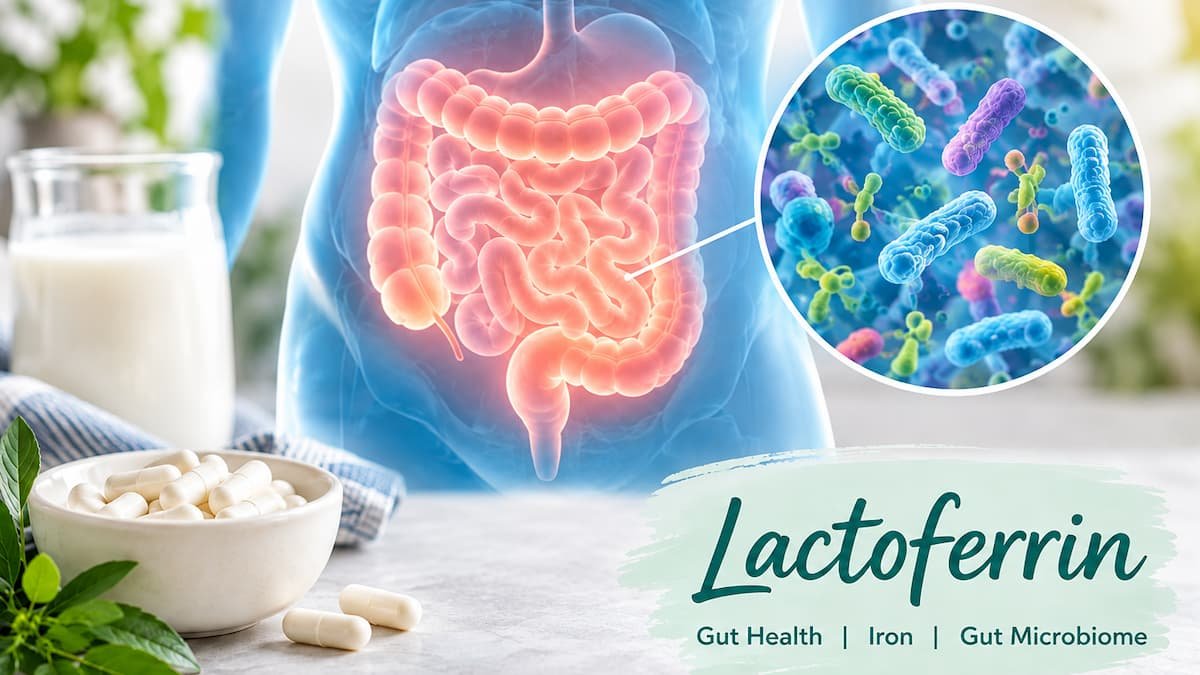
Lactoferrin is a naturally occurring protein that has attracted increasing interest for its potential benefits for gut health, the gut microbiome and iron status.
But what exactly is lactoferrin, and what does the scientific research actually tell us?
Lactoferrin is particularly interesting because it appears to have several biological roles. It can bind iron, interact with the intestinal environment, influence the gut microbiota and support the intestinal barrier.
In this article, I’ll look at some of the potential benefits of lactoferrin, particularly for gut health and iron deficiency, while separating the promising research from some of the claims you may see online.
What is Lactoferrin?
Lactoferrin is an iron-binding glycoprotein found naturally in substances including human milk and cow’s milk.
One of its best-known properties is its ability to bind iron. However, lactoferrin appears to do much more than simply transport or bind iron.
Research has identified potential antimicrobial, immunomodulatory and intestinal effects, including interactions with the intestinal barrier and gut microbiota.
A 2023 review published in Pharmaceutics examined the role of lactoferrin in intestinal health and highlighted potential effects involving iron absorption, intestinal barrier function, intestinal cell growth and maturation, immune regulation, antimicrobial activity and the gut microbiota.
The Role of Lactoferrin in Intestinal Health
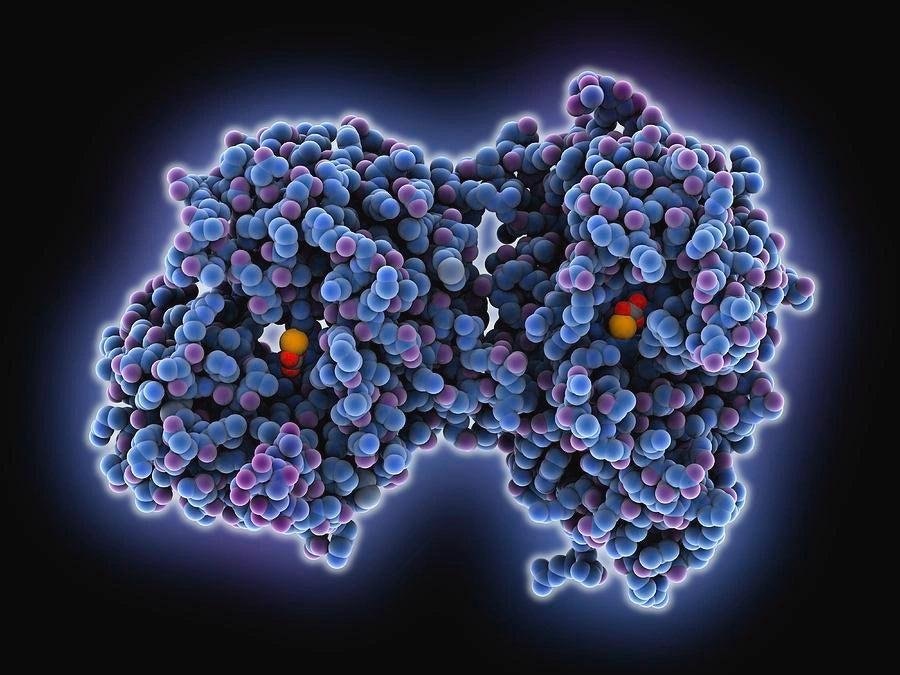
Lactoferrin and Gut Health
One of the most interesting areas of lactoferrin research is its potential effect on the gastrointestinal tract.
Lactoferrin and the Intestinal Barrier
Your intestinal barrier acts as an important interface between the contents of your digestive tract and the rest of your body.
A healthy intestinal barrier helps regulate what passes from the gut into circulation while also playing an important role in immune defence.
Research suggests lactoferrin may help support intestinal barrier function and intestinal health through several mechanisms.
Importantly, this doesn’t mean that lactoferrin is a proven treatment for “leaky gut”. The term is widely used online, but the scientific picture is considerably more complicated.
Instead, research suggests that lactoferrin may influence processes involved in maintaining intestinal integrity and the gut’s defence mechanisms.
If you’re interested in this area, I’ve also written more about intestinal permeability:
Leaky Gut in Endurance Runners: What Does the Research Say?
8 Causes of Leaky Gut – And What You Can Do About Them
Lactoferrin and the Gut Microbiome
The relationship between lactoferrin and the gut microbiome is particularly interesting.
A 2024 review published in the Journal of Agricultural and Food Chemistry looked specifically at the interaction between dietary lactoferrin and the gut microbiota.
The researchers describe lactoferrin as having antimicrobial activity against certain potentially harmful bacteria, while also potentially acting as a prebiotic-like substance that can support the growth of certain beneficial bacteria.
The review discusses evidence from both human and animal research, while also highlighting that our understanding of these interactions is still developing.
Interaction Between Dietary Lactoferrin and Gut Microbiota in Host Health
This is one reason lactoferrin is interesting from a gut-health perspective: it isn’t simply about adding bacteria to the gut, but potentially influencing the environment in which those bacteria live.
Of course, lactoferrin shouldn’t be viewed as a replacement for the basics of gut health — a varied diet, adequate fibre, plenty of plant foods and an overall healthy lifestyle remain important.
I’ve previously written about using prebiotic fibre to support the gut microbiome, including my work with Myota:
Myota and Prebiotic Fibre for Gut Health
Myota Gut Booster – Supporting Your Gut Microbiome
Lactoferrin and Iron Deficiency
Another reason lactoferrin has attracted attention is its relationship with iron.
Iron deficiency is one of the most common nutritional deficiencies, and iron supplementation can be difficult for some people to tolerate.
Traditional oral iron supplements, particularly ferrous sulphate, can cause gastrointestinal side effects such as constipation, nausea and abdominal discomfort.
If you’re experiencing unexplained fatigue, low energy or other symptoms that could be related to iron deficiency, it’s worth understanding the signs and potential causes of low ferritin. I’ve written a separate article explaining low ferritin symptoms, causes and how to increase your iron levels, including why you can have low iron stores even when you’re not anaemic.
This is where lactoferrin becomes particularly interesting.
A 2022 systematic review and meta-analysis compared oral lactoferrin with ferrous sulphate supplementation and found that lactoferrin supplementation was associated with improvements in measures including serum iron, ferritin and haemoglobin, alongside fewer gastrointestinal side effects in the studies analysed.
However, the authors also noted that the precise mechanism behind lactoferrin’s effects on iron status is not fully understood.
Comparative Effects Between Oral Lactoferrin and Ferrous Sulfate
A further systematic review and meta-analysis published in 2024 looked at 19 randomised clinical trials and found that several studies reported improvements in haemoglobin with bovine lactoferrin compared with conventional iron supplementation.
However, there was substantial variation between the studies, with considerable statistical heterogeneity in the analysis comparing lactoferrin with ferrous sulphate. Many of the studies also involved specific populations, including pregnant women.
The Effectiveness of Oral Bovine Lactoferrin Compared to Iron Supplementation
So while the evidence is certainly interesting, it would be too strong to say that lactoferrin is universally better than conventional iron supplements or that everyone with iron deficiency should take it.
If you have diagnosed iron deficiency or iron-deficiency anaemia, the underlying cause should also be investigated and any treatment recommended by your healthcare professional should not simply be replaced with a supplement.
Low ferritin is particularly relevant for endurance athletes, who may be at increased risk of iron deficiency due to the demands of training. As an England Masters distance runner, I’ve experienced this myself. In my article, Low Ferritin in Runners: How I Raised Mine From 17 to 53, I share my personal experience of low ferritin, the nutritional changes I made and how my iron levels improved over 10 weeks.
Why Might Lactoferrin be Useful for People with Sensitive Digestion?
For some people, taking conventional iron supplements can be challenging because of gastrointestinal side effects.
This is particularly relevant if you already have digestive problems.
The research comparing lactoferrin with ferrous sulphate suggests that lactoferrin may be better tolerated from a gastrointestinal perspective in some populations.
That doesn’t mean lactoferrin will be suitable for everyone, but it is an interesting area to consider when looking at different approaches to supporting iron status.
Jarrow Formulas Lactoferrin – Apolactoferrin
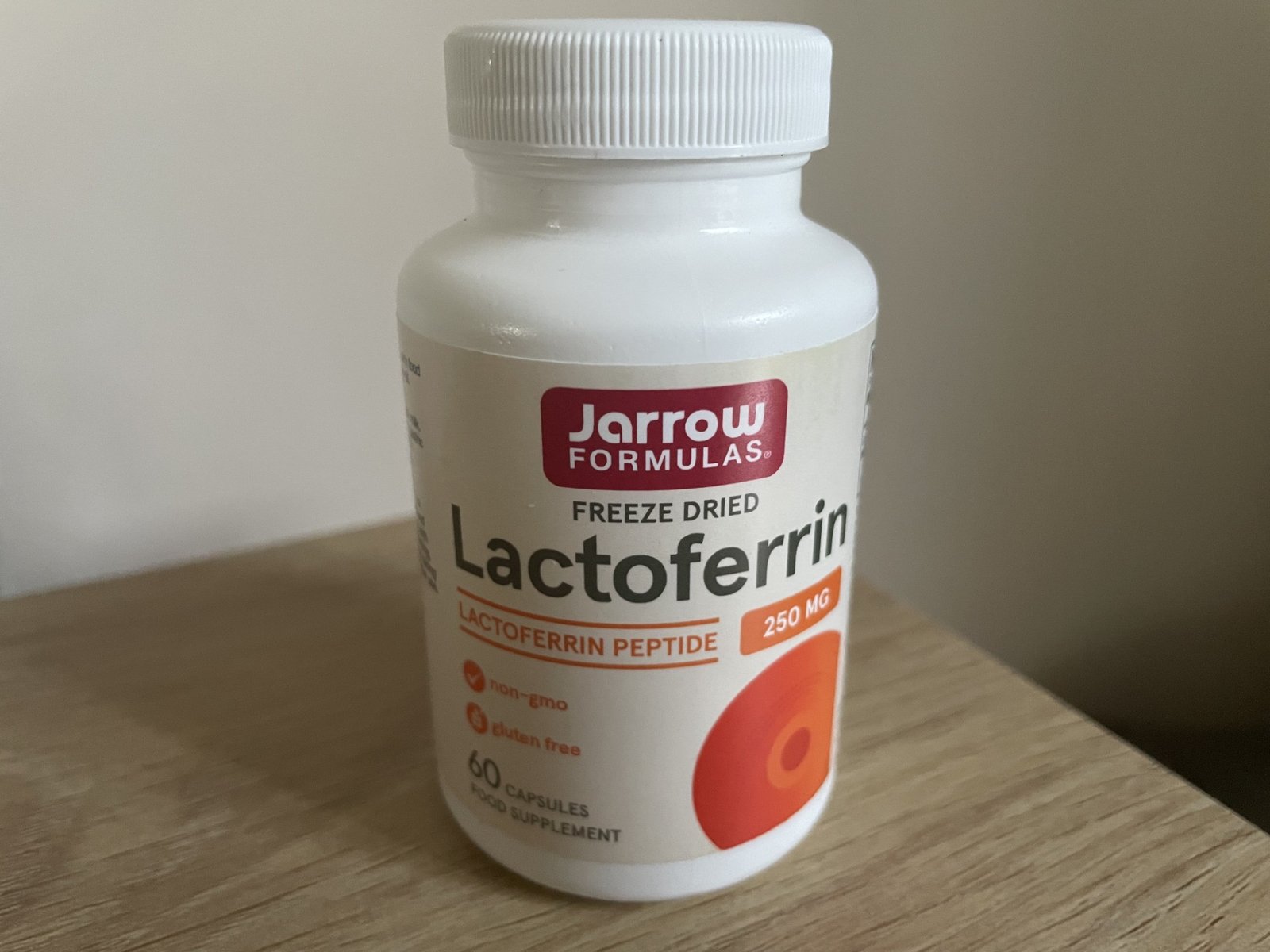
If you’re interested in trying a lactoferrin supplement, one product I currently recommend is Jarrow Formulas Lactoferrin.
Each capsule contains 250 mg of lactoferrin in the form of apolactoferrin.
Apolactoferrin is the iron-depleted form of lactoferrin. This is particularly interesting because lactoferrin’s potential benefits aren’t simply about providing iron. The protein itself has been researched for its interactions with iron, the gut microbiome, intestinal health and immune function.
The apolactoferrin type of lactoferrin being iron depleted, means it has ‘space’ to bind and carry iron ingested in the diet and or via supplementation to where it is needed.
🎁 Get 10% off with Healf
You can purchase Jarrow Formulas Lactoferrin through Healf using my exclusive discount link.
The great thing about the link is that the 10% discount applies across the Healf store, so you can also use it on other supplements and practitioner-grade health products available through Healf.
🔗 Get 10% off across the Healf store
Affiliate disclosure: This is an affiliate link. If you purchase through my link, I may receive a commission at no additional cost to you.
A note about the research: The scientific research discussed in this article relates to lactoferrin generally and includes different lactoferrin preparations, doses and study populations. It should not be interpreted as clinical evidence that this specific Jarrow Formulas product will treat iron deficiency or any particular health condition.
Lactoferrin, the Gut-Brain Axis and Nervous System
Gut health isn’t just about digestion.
The gut communicates constantly with the brain through multiple pathways involving the nervous system, immune system, hormones and gut microbiota.
This is commonly referred to as the gut-brain axis.
Lactoferrin’s potential effects on the intestinal environment and gut microbiota therefore make it an interesting nutrient to explore as part of the bigger picture of gut health.
I’ve written more about this connection here:
Vagus Nerve & Gut Health: How The Gut-Brain Axis Works
Again, this doesn’t mean lactoferrin is a treatment for stress, anxiety or digestive disorders. Rather, it is another example of why supporting gut health needs to be considered as part of the wider picture rather than focusing on one isolated symptom.
What About Lactoferrin and Histamine Intolerance?
The gut microbiome can also be relevant when looking at people who experience symptoms they associate with histamine intolerance.
Probiotics are sometimes discussed in this context, but not all probiotic strains are necessarily appropriate for everyone.
I’ve written a separate article looking at non-histamine-producing probiotics and some of the considerations when choosing a probiotic:
Probiotics for Histamine Intolerance: What You Need to Know
Lactoferrin and probiotics are not interchangeable, but both demonstrate why looking at the gut environment rather than simply taking a generic “gut health” supplement can be useful.
So, What are the Potential Benefits of Lactoferrin?
Based on the current research, areas of interest include:
- Supporting intestinal barrier function
- Modulating the gut microbiota
- Antimicrobial activity against certain bacteria
- Supporting iron metabolism and iron status
- Potential improvements in haemoglobin and ferritin in some populations
- Potentially better gastrointestinal tolerance than some conventional iron supplements
- Interactions with immune and inflammatory processes
However, more high-quality human research is still needed to establish exactly who is most likely to benefit, what dose is appropriate and which forms of lactoferrin are most effective.
Final Thoughts
Lactoferrin is an interesting supplement because it sits at the intersection of several areas that are important to health — gut health, the microbiome, immunity and iron metabolism.
The research so far is promising, particularly around intestinal health and iron status, but it is important not to turn promising research into exaggerated health claims.
If you’re experiencing ongoing digestive problems, unexplained fatigue, low iron or recurrent iron deficiency, it is worth looking at the bigger picture rather than simply adding another supplement.
Diet, digestion, nutrient intake, lifestyle, stress, sleep and the underlying reason for a nutritional deficiency can all be relevant.
As a Nutritional Therapist and Personal Trainer, I take this broader approach when working with clients.
If you’d like personalised support with your diet, gut health, energy levels, iron status or general nutritional health, you can find out more about my Nutritional Therapy services here: