
In today’s fast-paced world mental health is an essential aspect of the wellness jigsaw. With this in mind the benefits of good nutrition for mental health are becoming well-documented.
Like our degree of physical health, we all have levels of mental health that tend to fluctuate throughout the days, weeks, years, and even our lifetime.
The NHS’s definition of mental health is ‘mental health refers to our emotional, psychological, and physical well-being. We all have mental health. Our mental health affects how we think, feel and act. It also impacts how we cope, interact, and form relationships with others and our daily functioning.’
While therapy and medication play crucial roles in managing mental health conditions, the impact of nutrition on our mental well-being should not be underestimated.
The food we consume plays a vital role in influencing our mood, cognitive function, and overall mental health.
In this blog, I will explore the fascinating connection between nutrition and mental health, highlighting key nutrients and dietary habits that can contribute to a healthier mind.
1. The Gut-Brain Connection
The gut and the brain are intricately connected through a complex network of neurons, hormones, and biochemical signaling.
Research has shown that a healthy gut microbiome, composed of a diverse array of beneficial bacteria, is linked to improved mental health.
Studies have found a clear connection between gut dysbiosis, (which is defined as a reduction in microbial diversity and the combination of a loss of beneficial bacteria and an increase in pathogenic bacteria) and clinical depression.
Consuming probiotic-rich foods such as kefir, natural yogurt, tempeh, kombucha, sauerkraut, green olives, and sourdough bread, can contribute to a balanced gut microbiome.
Please read my blog on The Benefits of Kefir.
Along with probiotics, it is also important to consume prebiotic foods that feed the beneficial bacteria.
Prebiotic foods include garlic, onions, leeks, avocados, bananas, Jerusalem artichokes, asparagus, and oats.
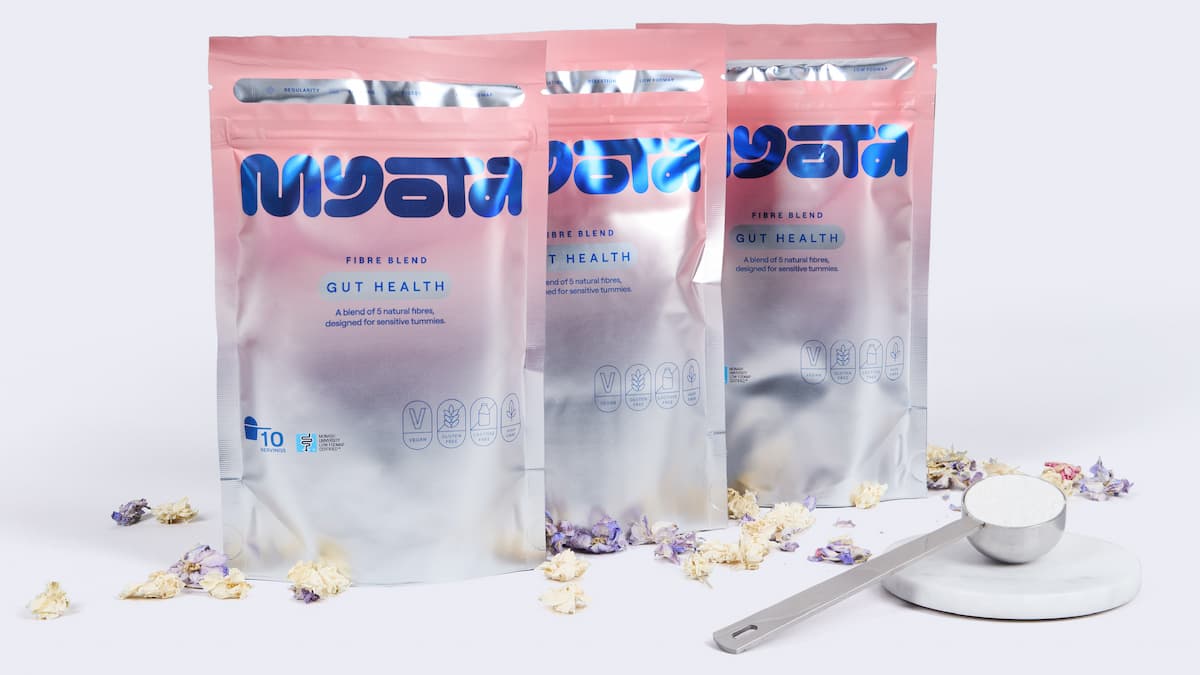
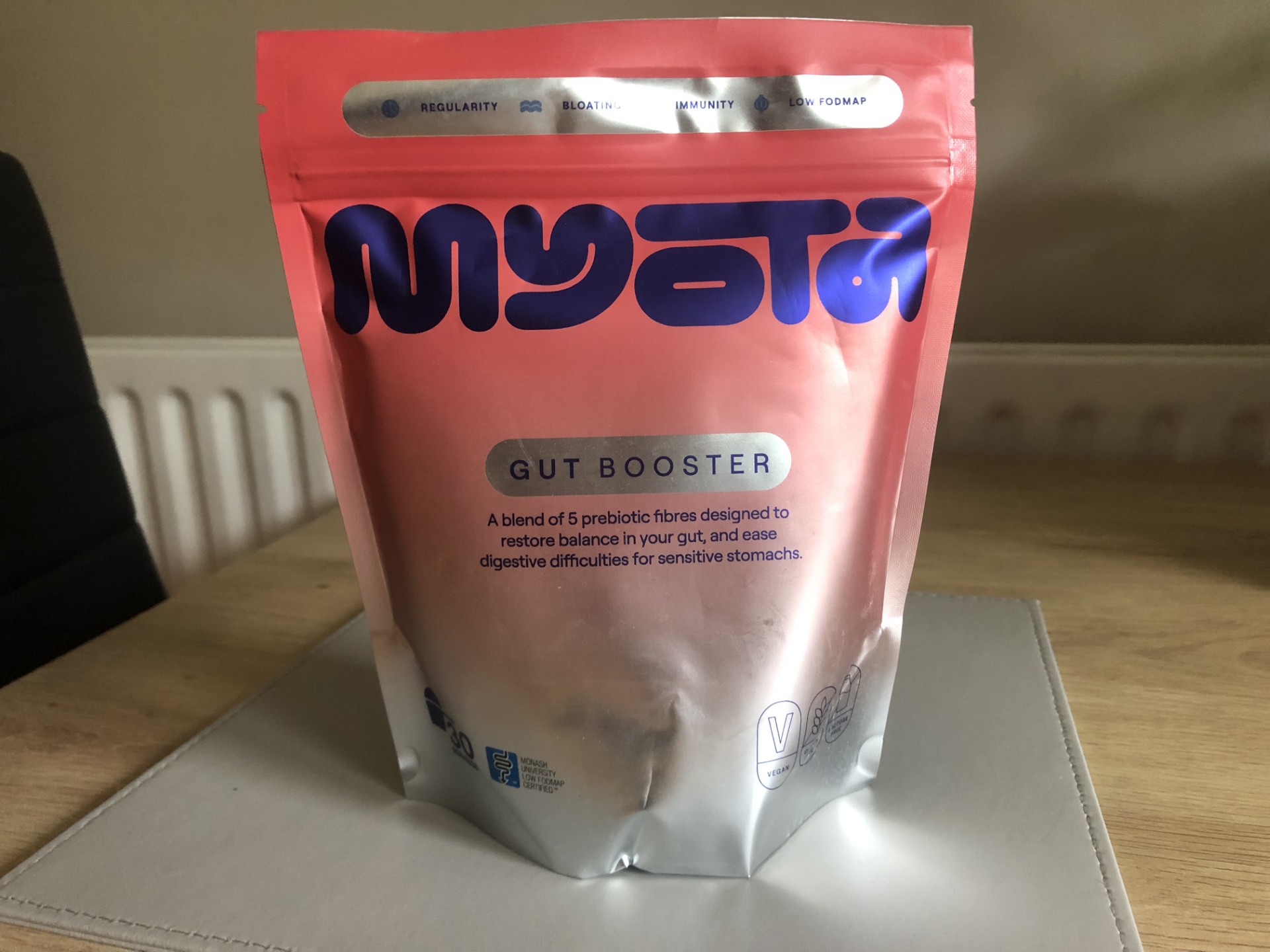
To help balance your gut microbiome and therefore positively influence your mood and cognitive function, you can take a probiotic supplement.
Biocare’s Bioacidophilus is a good option as it contains both probiotics and pre-biotics. Use my discount code P7891 when ordering.

2. Omega 3 Fatty Acids Benefit Mental Health
Omega-3 fatty acids are essential for brain health.
Omega 3 increases dopamine and helps serotonin work better.
Serotonin and dopamine are known as the ‘happy hormones’ as they promote mental well-being by influencing neurotransmitter pathways associated with mood regulation.
Low levels of these hormones can lead to symptoms such as low energy, feeling sad and low, mood swings, poor sleep, and poor concentration.
Foods high in omega 3 include oily fish such as salmon and mackerel (have you heard the saying ‘fish is brain food’?), eggs, walnuts, chia seeds, kidney beans, tofu, avocadoes, green leafy vegetables, and flaxseed oil.
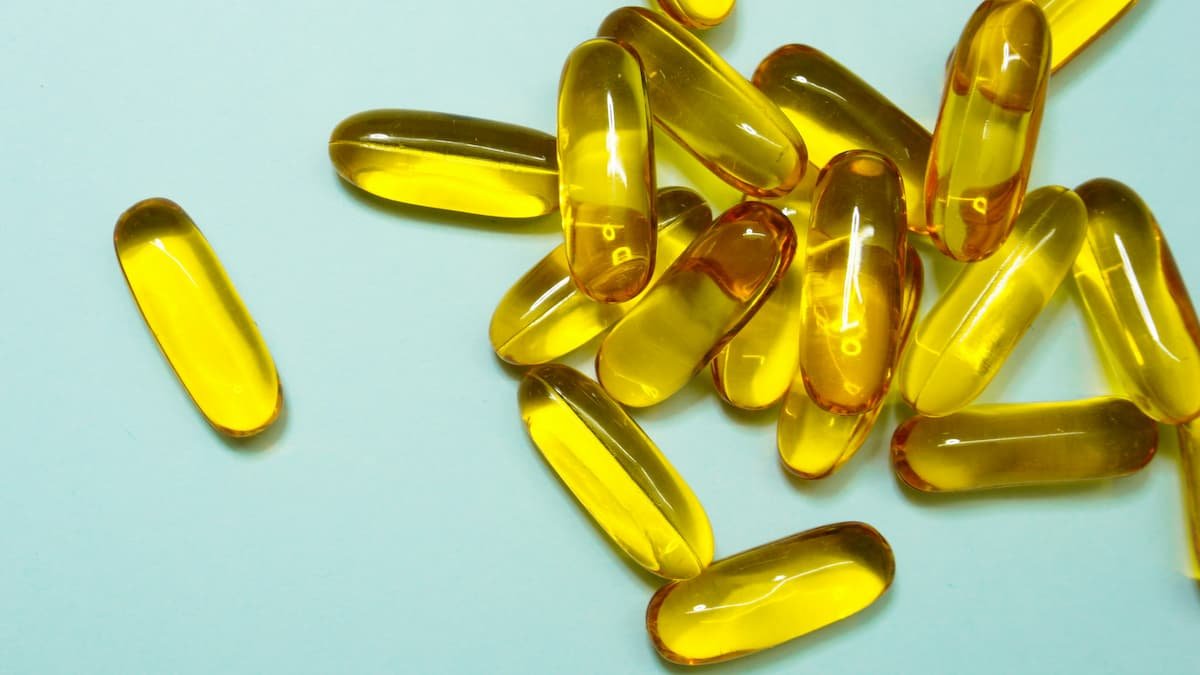
You can also supplement with omega 3.
A study on omega-3 supplementation and its effect on clinical depression found that a combination of omega-3 supplementation and an antidepressant elicited a significantly higher improvement in depressive symptoms than the antidepressant alone.
Use my discount code P7891 when ordering this good-quality Omega 3 supplement.
3. Good Nutrition For Mental Health Includes Balancing Blood Sugar
Maintaining stable blood sugar levels is vital for sustained energy and mood stability.
Carbohydrates are important here, but the most important part of this is consuming the correct type of carbohydrates.
Carbohydrates are needed to increase insulin production, which helps our brains make serotonin.
However, if high amounts of ‘simple carbohydrates’ are consumed such as cakes, biscuits, white bread, and sugary drinks this leads to rapid blood sugar fluctuations, which causes energy crashes and irritability.
This can also lead to compromised adrenal function.
Please read my blog on Adrenal Fatigue.
So, what type of carbohydrates should we consume?
The answer is complex carbohydrates, which cause a steady increase in insulin that helps make serotonin, yet doesn’t cause severe spikes in blood sugar.
Complex carbohydrates include sweet potatoes, oats, basmati rice, quinoa, lentils, and wholewheat pasta.
Healthy fats such as olive oil, flaxseeds, oily fish, walnuts, almonds, and avocados should also be consumed to help reduce blood sugar spikes.
Proteins, including chicken, tofu, quinoa, and eggs should also be included.
This balanced approach prevents the energy crashes and irritability associated with rapid blood sugar fluctuations.
4. The Importance of Vitamin D
Adequate vitamin D is needed for the synthesis of serotonin and dopamine in the brain and therefore is crucial for optimising mental well-being.
A study found that low vitamin D levels are associated with increased symptoms of depression and anxiety.
Vitamin D is often referred to as the ‘Sunshine Vitamin’ because our best source of vitamin D is from the sun, as ultraviolet rays (UV rays), strike the skin and trigger Vitamin D synthesis.
If you live in the UK sunshine isn’t always too abundant!
In the spring and summer, more of our body is generally exposed to the sun e.g. arms and neck, etc, therefore around 10 minutes of exposure at about noon should suffice for our daily Vitamin D intake.
However, in autumn and winter around 2 hours is needed, which isn’t always practical for many people.
Therefore, the Department for Health recommends vitamin D supplementation throughout the winter months.
Use my discount code P7891 to purchase this good quality, absorbable vitamin D supplement.
Please read my blog on How to Avoid Vitamin D Deficiency.

If you would like my expertise on how Nutritional Therapy can help improve your mental well-being you can book an online consultation with me. You can find out more about the consultation process by clicking on the Nutrition Consultancy part of my website.
Another well-documented way to improve your mental wellbeing is through exercise.
As well as a Nutritional Therapist I am also a Personal Trainer in the North Birmingham and Sutton Coldfield area and will be happy to train you at your home or in local parks.
You can also do online Personal Training sessions with me wherever you are in the world!
You can get the best of both worlds by combining Nutritional Therapy and Personal Training, a great way to optimise your health.

Take Home Message
While nutrition alone cannot replace professional mental health care, it can be a powerful complement to traditional treatments.
Adopting a diet rich in diverse nutrients, along with other healthy lifestyle practices like regular exercise and sufficient sleep, can contribute to overall mental well-being.
Remember, everyone’s nutritional needs are unique, so it’s essential to consult with a healthcare professional or a Nutrition Consultant to create a personalised nutrition plan tailored to your specific needs and goals.
By nourishing your body and mind, you can take meaningful steps towards a healthier, more balanced life.