
A HIIT workout (High Intensity Interval Training) is one of the most effective and time-efficient ways to burn fat, improve fitness, and boost your metabolism.
Unlike traditional cardio, a HIIT workout combines short bursts of intense exercise with brief recovery periods. This style of training pushes your heart rate high, challenges your muscles, and delivers maximum results in minimal time.
A HIIT session can last anywhere from 4 minutes to around 30 minutes, including rest, making it ideal if you’re short on time. Best of all, you can perform a HIIT workout at the gym, outdoors, or at home, with little or no equipment.
But why is HIIT so powerful for fat loss? Let’s break it down.
How Your Body Burns Fat During Exercise
Your body produces energy from three main macronutrients:
- Carbohydrates
- Fats
- Protein (used mainly in extreme cases)
These fuels are converted into the body’s energy currency: ATP (Adenosine Triphosphate).
The type of fuel your body uses depends on the intensity of your workout.
Fat Metabolism and the “Fat Burning Zone”
When using cardio machines at the gym, you’ll often see a chart suggesting that working at 50–70% of your max heart rate keeps you in the so-called fat-burning zone.
This is true — at low to moderate intensity your body prefers to use fat as fuel, because fat stores are large and sustainable.
However, the downside of steady-state cardio is simple:
👉 You burn fat only while you’re exercising.
👉 Once you stop, fat metabolism slows down quickly.
So while a 45-minute jog burns calories, the benefit mostly ends when the workout finishes.
Why HIIT Works Differently
A HIIT workout is performed at much higher intensity than steady cardio.
At these levels, fat cannot be broken down fast enough to supply energy. Instead, your body switches to carbohydrates, which are metabolised much faster.
This leads many people to ask:
“If I burn more fat during low-intensity cardio, what’s the point of HIIT?”
The answer is simple — and powerful.
The Afterburn Effect (EPOC)
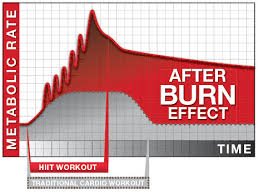
During HIIT training, your body demands far more oxygen than it can immediately supply. That breathless feeling? It’s your body creating an oxygen debt.
After your workout ends, your body works hard to repay that debt. This process is called:
EPOC — Excess Post-Exercise Oxygen Consumption
EPOC can last up to 48 hours after your HIIT workout.
During this time your metabolism stays elevated, meaning your body continues to burn calories long after you’ve finished training. This is often called the “afterburn effect.”
Burn More Calories
Burn More Calories After You Finish Training
Because your body is recovering, repairing tissue, restoring oxygen, and normalising hormones, it requires extra energy.
Once the intensity drops, your body returns to its preferred fuel source: fat.
So instead of burning fat only during your session, HIIT allows you to burn calories for hours — sometimes days — afterwards.
Ask yourself:
👉 Is it better to do 45 minutes of slow cardio,
or
👉 10–20 minutes of HIIT followed by up to 48 hours of increased fat burn?
For fat loss, HIIT usually wins.
Research published in the British Journal of Sports Medicine also shows that HIIT increases fat loss more effectively than traditional steady-state aerobic exercise.
Added Benefit: Build Muscle While You Burn Fat
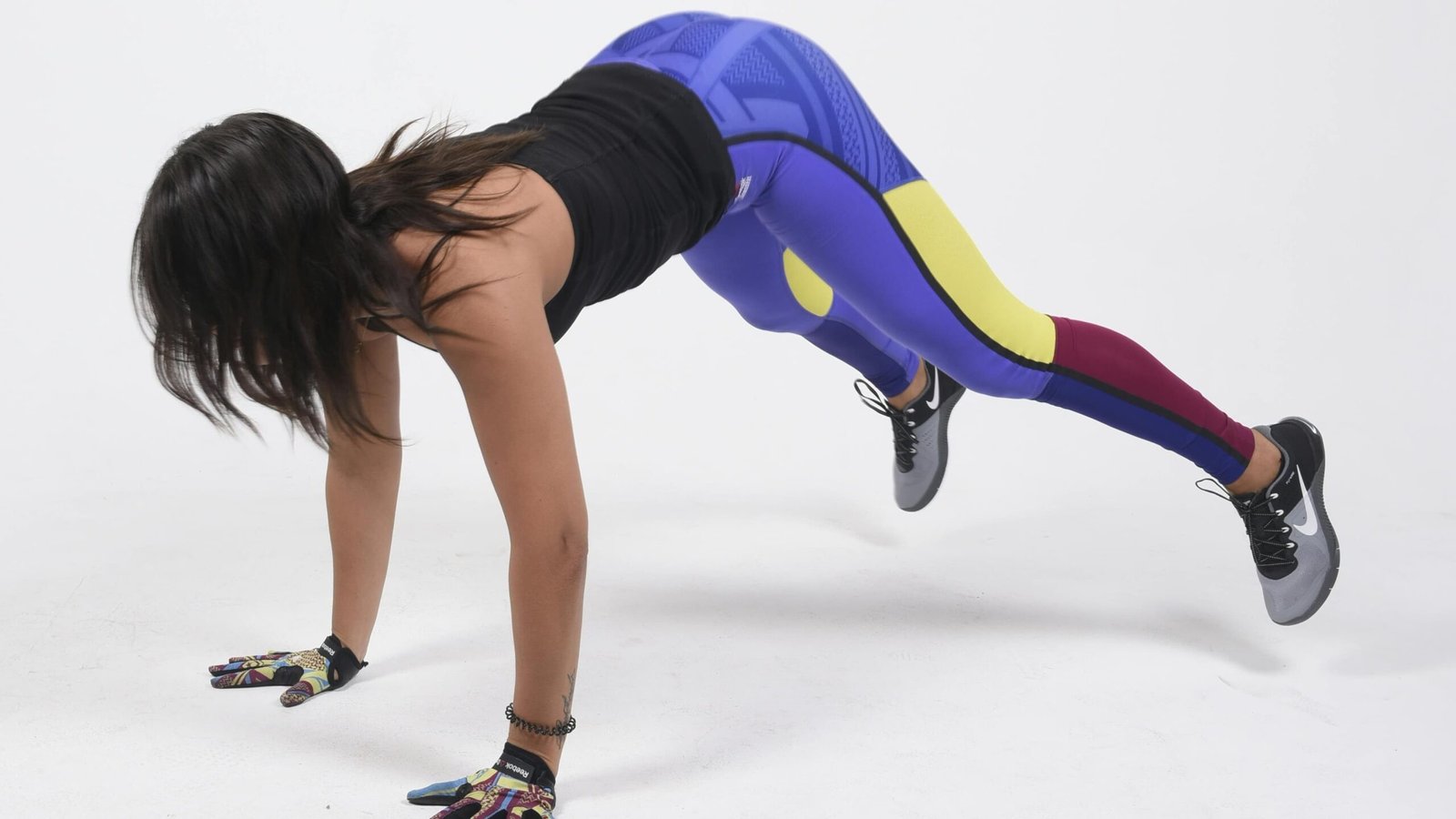
Many HIIT workouts use bodyweight resistance exercises, such as:
- Squat jumps
- Tuck jumps
- Burpees
- Press-ups
- High knees
These movements use large muscle groups, causing small muscle fibre tears.
Your body then repairs those fibres over 48–72 hours, and that repair process also burns calories.
So with HIIT you’re not just doing cardio — you’re combining fat loss + muscle building + metabolic boost in one session.
Example HIIT Workout for Fat Loss
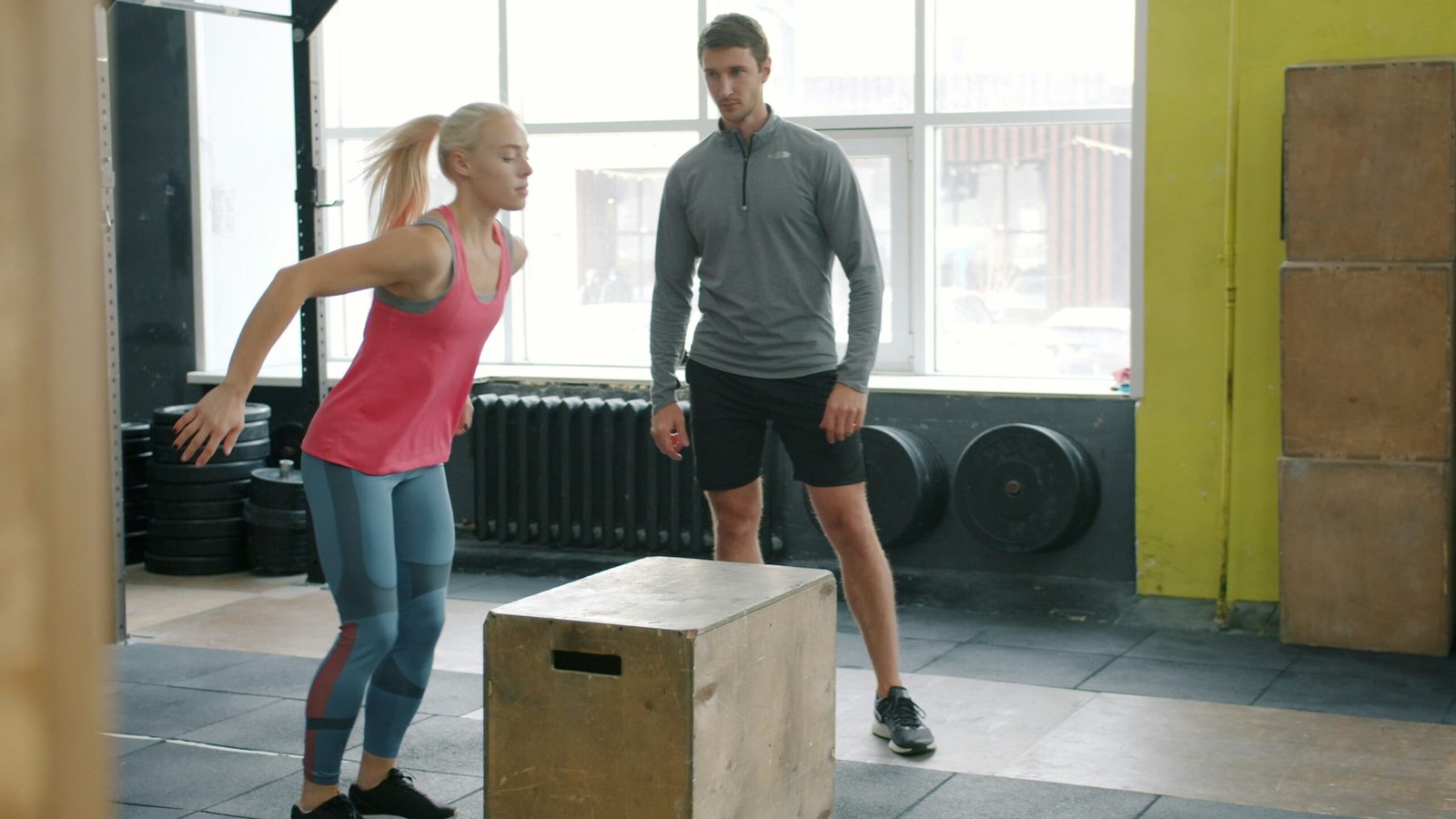
Try this simple HIIT workout at home or in the gym:
Work: 20 seconds | Rest: 20 seconds
- Burpees
- Tuck jumps
- Press ups
- High knees running
- Squat jumps
Complete all five exercises, then rest for 60 seconds.
Aim for 3–4 rounds to start, progressing to 5 rounds as fitness improves.
This workout takes under 20 minutes and delivers serious fat-burning benefits.
Need Help With Your HIIT Training?
If you want structured, safe and effective HIIT workouts, I offer Personal Training in North Birmingham and Sutton Coldfield.
You can explore my Personal Training packages to improve fat loss, fitness, strength and confidence.
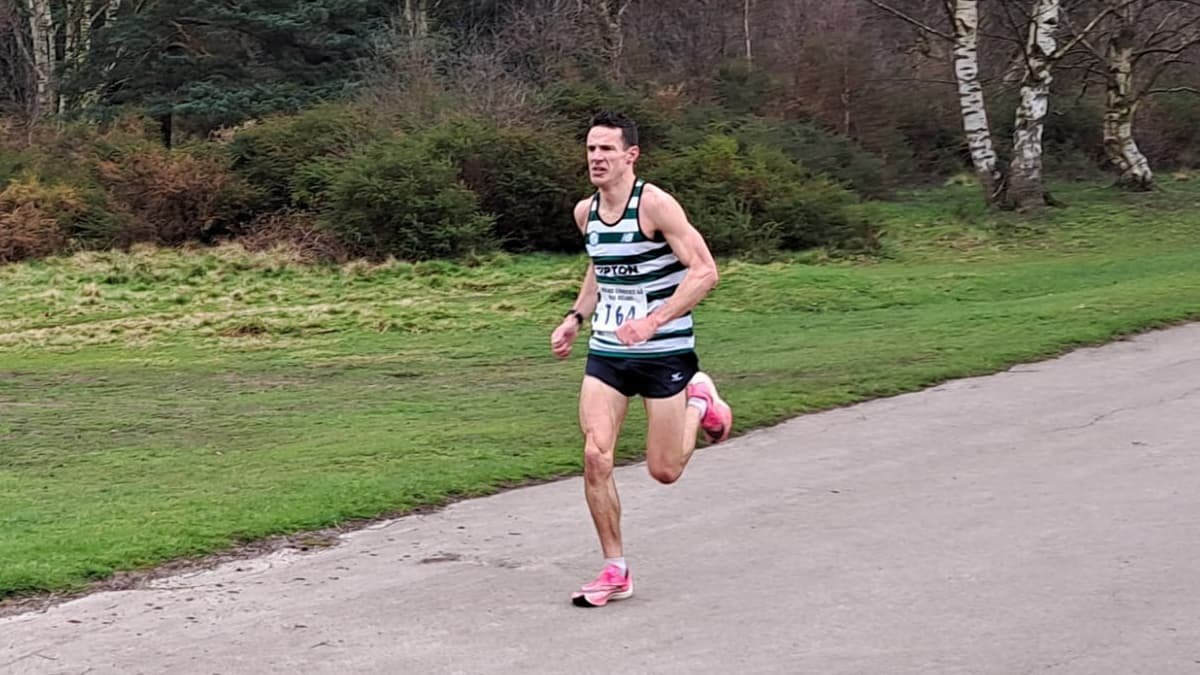
As a 6-time Sutton Coldfield Fun Run winner, I offer a FREE weekly Sutton Coldfield Running Club, please check out the link for more details.
I also work online with clients worldwide through my Nutrition Services, helping you combine training with smart nutrition for faster results.
For even better progress, you can combine Nutritional Therapy and Personal Training.
If you’d like support with your training or fat-loss goals, feel free to get in touch — I’d be happy to help.