Gut health problems are very common.
One in ten GP visits are due to digestive issues according to NHS England.
Many people suffer from gas, bloating, cramps, nausea, reflux, indigestion, constipation, or diarrhea.
Read my article on stomach bloating
Unfortunately, in conventional medicine, if the problems are not caused by a specific disease such as Ulcerative Colitis, Crohn’s Disease, etc many people are told they have Irritable Bowel Syndrome (IBS) and told there isn’t much they can do and must ‘live with it’!
If you suffer from IBS or other gut health problems read on.

Poor Digestion Doesn’t Just Cause Gut Health Problems
Your gut health is very important for the absorption of nutrients and elimination of waste and is a vitally important part of the immune system.
Along with the digestive symptoms above, poor gut health can also cause other non-digestive issues, e.g. fatigue, skin problems, low mood, weight gain, and many autoimmune conditions.
I have often used the ‘4 R’s Gut Health Healing Program’ with clients and had some great success. Check out one of my client gut health testimonials.
The 4 Stages of the 4 R’s Program
- Remove
- Replace
- Reinoculate
- Repair
Remove
This phase is removing the things that negatively affect the digestive tract and therefore impact gut health. This can often mean removing allergenic foods like wheat, gluten, dairy, etc.
It also means eradicating pathogenic bacteria and yeast. This means all simple sugars should be removed from the diet as they feed pathogenic bacteria and yeast, thus their food source is being removed.
Along with starving the pathogens of their food source anti-bacterial/fungal supplements can also be used to remove these maladies.
Examples of these are oregano oil, caprylic acid, wormwood oil, cinnamon, grapeseed extract, and garlic.
Replace
The ‘replace’ phase is where nutrients required to improve gut health and digestion are added if necessary.
To digest food properly sufficient amounts of stomach acid, digestive enzymes, and bile are needed.
Poor food choices, medications, and aging are just some of the factors which can compromise these secretions.
Raw vegetables are rich in digestive enzymes and therefore can be added to the diet, however, some individuals can find these irritate the gut.
This is where supplementing with digestive enzymes can be helpful along with stomach acid if needed. Sometimes digestive bitters can also be used in this phase.
Reinoculate
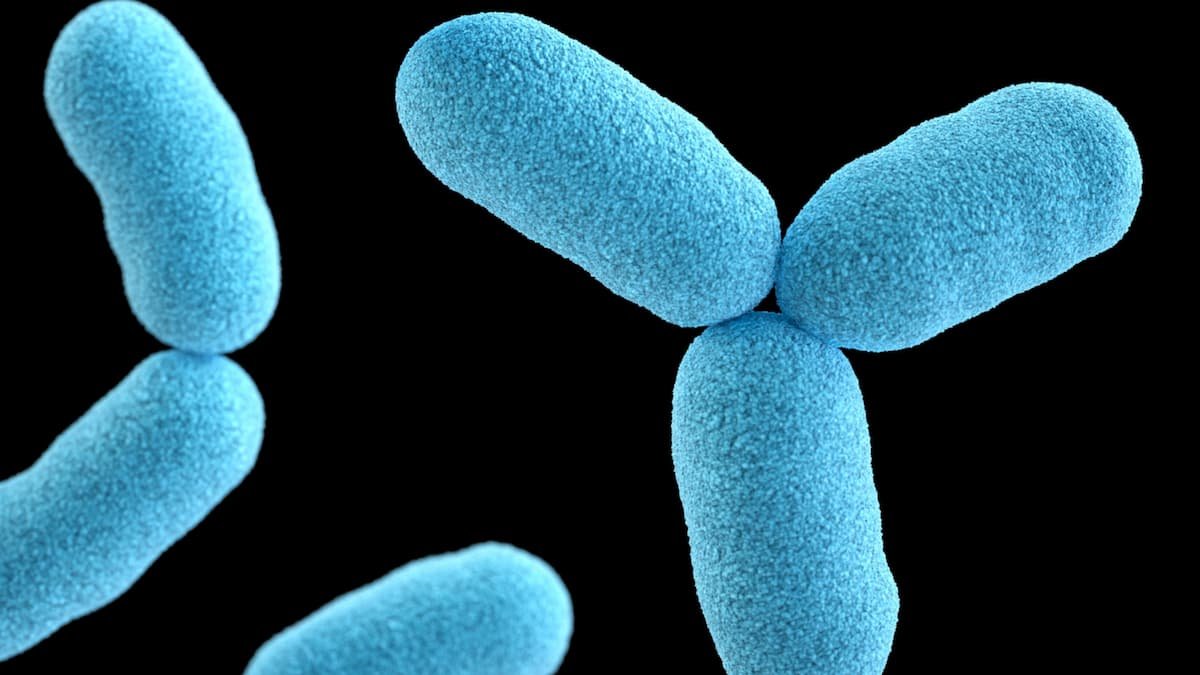
The ‘Reinoculate’ phase is where ‘good’ bacteria is replenished in the gut.
There are more bacteria in the gut than cells in the body, so it is no surprise that when the gut bacteria become unbalanced problems occur.
A person with optimal gut health should have a ratio of around 4:1 of good versus bad bacteria.
Poor diets, overuse of antibiotics, and environmental stress are some of the main factors which upset this ratio. This step involves replenishing the gut with good bacteria.
This is done by adding good sources of probiotics into the diet in the form of fermented foods such as kefir, sauerkraut, miso, and live yogurt.
Supplementing with a good-quality probiotic is also very beneficial at this stage. Here is an excellent probiotic from Cytoplan. Feel free to use my discount code CYT35104-35-10 when ordering
Read my article on probiotics.
For the probiotics to flourish they need the right substrate, this comes in the form of prebiotics (food for good bacteria) Foods rich in prebiotics are leeks, garlic, onions, Jerusalem artichoke, oats, and asparagus.
Repair
The ‘Repair’ phase is where the gut wall is healed. Once the diet is improved and stressors eliminated or reduced, the mucosal lining of the digestive tract can be repaired.
The lining of the digestive tract becomes damaged due to all the irritants and stressors mentioned in the ‘remove’ phase.
When the gut wall becomes damaged the integrity of the lining is lost causing the gut to become more permeable, this condition is called ‘Leaky Gut Syndrome’.
This condition allows substances such as large undigested food particles and pathogenic organisms to pass through the barrier into the bloodstream.
These substances shouldn’t be in the bloodstream and therefore are recognised as ‘foreign invaders’ by the body.
This can trigger an autoimmune response causing some unpleasant symptoms including fatigue, brain fog, depression, and anxiety.
It can also worsen IBS symptoms, Crohn’s disease, and skin conditions like eczema.
Beneficial Supplements for Gut Health
Various supplements can be used to help heal the intestinal tract lining.
One of the best supplements is L-Glutamine as it is the preferred fuel source of the cells of the small intestine.
Zinc carnosine is also an excellent supplement to help heal the gut lining. There is a great supplement currently on the market combining both L-Glutamine with Zinc Carnosine called Rezcue. Feel free to use my discount code JONATHAN CARTER when ordering.
Other useful supplements which support mucosal barrier healing are Vitamin A, C, and Zinc.
The herbs Slippery Elm and Deglycyrrhized licorice also have healing properties and have been shown to help soothe the gastrointestinal tract.
The 4 ‘Rs’ approach can be followed by many people to improve their gut health.
A study even shows how the program can be beneficial in the management of a disease state such as Ulcerative Colitis.
However, this is just an overview and each step needs to be specifically tailored to an individual and therfore I would reccommend working with an experienced practitioner.
As an experienced Nutrition Consultant, I can help tailor the program to the individual by providing a Comprehensive stool analysis via Genova Diagnostics or Invivo Healthcare where a sample is sent to a laboratory for testing to check for the levels of good and pathogenic bacteria in the gut.
This then means personalising the program is so much easier with the scientific data provided from the test.
If you would like further information or a no-obligation chat on how I can help improve your gut health, please feel free to get in touch.