
Several weeks ago, I travelled to London to record an educational podcast with Myota, discussing one of the most overlooked topics in sports nutrition: fibre for runners. While protein and carbohydrates often dominate the conversation, fibre plays a crucial role in gut health, recovery, digestive resilience and exercise performance.
As a Nutritional Therapist specialising in sports nutrition and gut health, I spend a lot of time helping clients optimise their nutrition for performance, recovery and long-term health. While protein and carbohydrates often dominate the conversation, fibre is frequently overlooked despite its enormous impact on digestive health, the gut microbiome, recovery and even exercise performance.
The podcast was a fantastic opportunity to discuss the science behind fibre, explain the role of prebiotics, and explore why looking after your gut could be one of the most important things you can do for your overall wellbeing.
Recording the Podcast with Myota

The recording took place in a professional studio in London, where I sat down with the Myota team to discuss the growing body of research linking gut health with athletic performance and recovery.
It was great to share practical nutrition advice that people can easily implement into their daily routines, whether they’re elite athletes, recreational runners or simply looking to improve their health.
One of the key themes throughout the discussion was that fibre is one of the most underrated nutrients in modern diets.
Many people carefully track their protein intake and calorie consumption, yet give very little thought to how much fibre they consume each day.
Unfortunately, this can have significant implications for both health and performance.
Why Fibre Is So Important
Fibre does much more than simply support regular bowel movements.
Many types of dietary fibre act as fuel for the beneficial bacteria that live within the gut microbiome. When these bacteria ferment fibre, they produce compounds called short-chain fatty acids which play an important role in:
- Supporting gut barrier integrity
- Reducing inflammation
- Supporting immune function
- Improving digestive health
- Regulating blood sugar levels
- Supporting metabolic health
Despite these benefits, most adults fail to consume the recommended daily intake of fibre.
Fibre, Exercise Performance and Recovery
One area we explored in detail during the podcast was the relationship between fibre intake, gut health and athletic performance.
For runners and endurance athletes, gut health can directly influence:
Recovery Between Training Sessions
The gut is responsible for absorbing nutrients that support muscle repair and recovery. A healthy gut microbiome may help optimise this process while supporting healthy inflammatory responses following exercise.
Immune Function
Athletes undertaking regular high-volume training can place considerable stress on their immune system. Since a large proportion of the immune system resides within the gut, maintaining a healthy microbiome becomes increasingly important.
Energy Levels
Digestive efficiency and nutrient absorption are critical for maintaining energy levels during training and everyday life. Supporting gut health may help athletes get more from the food they consume.
Digestive Comfort
Many runners experience digestive issues during training or racing. Optimising fibre intake appropriately and supporting the gut microbiome can help improve digestive resilience over time.

The Role of Prebiotics
A major focus of the podcast was prebiotics.
Prebiotics are specialised fibres that feed beneficial gut bacteria and help them thrive.
Unlike probiotics, which introduce live bacteria into the gut, prebiotics nourish the beneficial bacteria that are already there.
Many people can increase their prebiotic intake through foods such as:
- Garlic
- Onions
- Leeks
- Asparagus
- Bananas
- Oats
- Chicory root
To learn more about the benefits of prebiotics, read my detailed article:
👉 6 Powerful Benefits of Prebiotics

Runner’s Trots: A Common Problem for Endurance Athletes
One particularly interesting topic we discussed during the Myota podcast was the issue of “runner’s trots” – a term many runners will be all too familiar with.
Runner’s trots refers to the digestive urgency, loose stools or diarrhoea that can occur during or after running, particularly during longer training sessions and races. Studies suggest that gastrointestinal symptoms affect a significant proportion of endurance athletes, especially marathon runners and ultramarathon participants.
As both a competitive runner and Nutritional Therapist, I’ve seen first-hand how frustrating digestive issues can be. They can impact confidence, race-day performance and enjoyment of training.
While there are many potential causes, including dehydration, race nerves, inadequate fuelling strategies and reduced blood flow to the digestive system during exercise, the health of the gut microbiome may also play an important role.
Can Prebiotics Help Reduce Runner’s Trots?
Although there is no single solution to digestive problems during exercise, supporting the gut microbiome through good nutrition may help improve digestive resilience over time.
This is where prebiotics become particularly interesting.
Prebiotics act as fuel for beneficial gut bacteria, helping to promote a healthier and more diverse microbiome. A well-supported microbiome may contribute to:
- Improved gut barrier function
- Better digestive regularity
- Reduced gut inflammation
- Enhanced resilience to gastrointestinal stress
- Improved tolerance of training nutrition strategies
For runners who frequently experience digestive discomfort, gradually increasing fibre intake and incorporating prebiotic-rich foods may be a useful long-term strategy as part of a broader nutrition plan.
Leaky Gut and Endurance Running
Another topic that came up during the podcast was the growing interest in leaky gut in endurance runners.
During prolonged or intense exercise, blood flow is diverted away from the digestive system and towards the working muscles. This can place stress on the gut lining, potentially increasing intestinal permeability – often referred to as “leaky gut”. When this occurs, substances that would normally remain inside the digestive tract may pass into the bloodstream, contributing to inflammation, digestive symptoms and impaired recovery.
This is particularly relevant for endurance athletes participating in long-distance events such as marathons, ultramarathons and Ironman triathlons, where gastrointestinal symptoms are extremely common.
A healthy gut microbiome plays an important role in maintaining the integrity of the gut lining, which is another reason why adequate fibre intake and prebiotic consumption are so important. By feeding beneficial gut bacteria, prebiotics help support the production of short-chain fatty acids, which may help strengthen the gut barrier and support overall digestive health.
If you’d like to learn more about this topic, I have written extensively about the relationship between endurance exercise and gut health in my article on Leaky Gut in Endurance Runners, where I explore the causes, symptoms and nutritional strategies that may help support gut integrity.
For athletes looking to optimise digestive health and performance, my guide to Sports Nutrition for Gut Health provides practical advice on supporting the gut microbiome through diet, training and recovery strategies.
I have also reviewed some of the most evidence-based approaches to supporting gut barrier function in my article on 6 of the Best Leaky Gut Supplements, including nutrients and compounds that may help support gut health in athletes exposed to high training loads.
It’s important to note that fibre intake should be managed carefully around key training sessions and races, as consuming large amounts immediately before exercise may actually worsen symptoms in some individuals.
This is one reason why personalised sports nutrition advice can be so valuable, helping runners strike the right balance between supporting gut health and optimising race-day performance.
The Gut Microbiome: Your Hidden Performance Partner
The gut microbiome refers to the trillions of bacteria, fungi and other microorganisms that live within the digestive tract.
Research continues to reveal just how influential these microbes are in relation to:
- Digestion
- Immunity
- Mood
- Inflammation
- Metabolic health
- Exercise performance
Looking after your gut microbiome isn’t simply about avoiding digestive problems; it’s about creating an internal environment that supports overall health and performance.
Myota Gut Booster and Prebiotic Supplementation
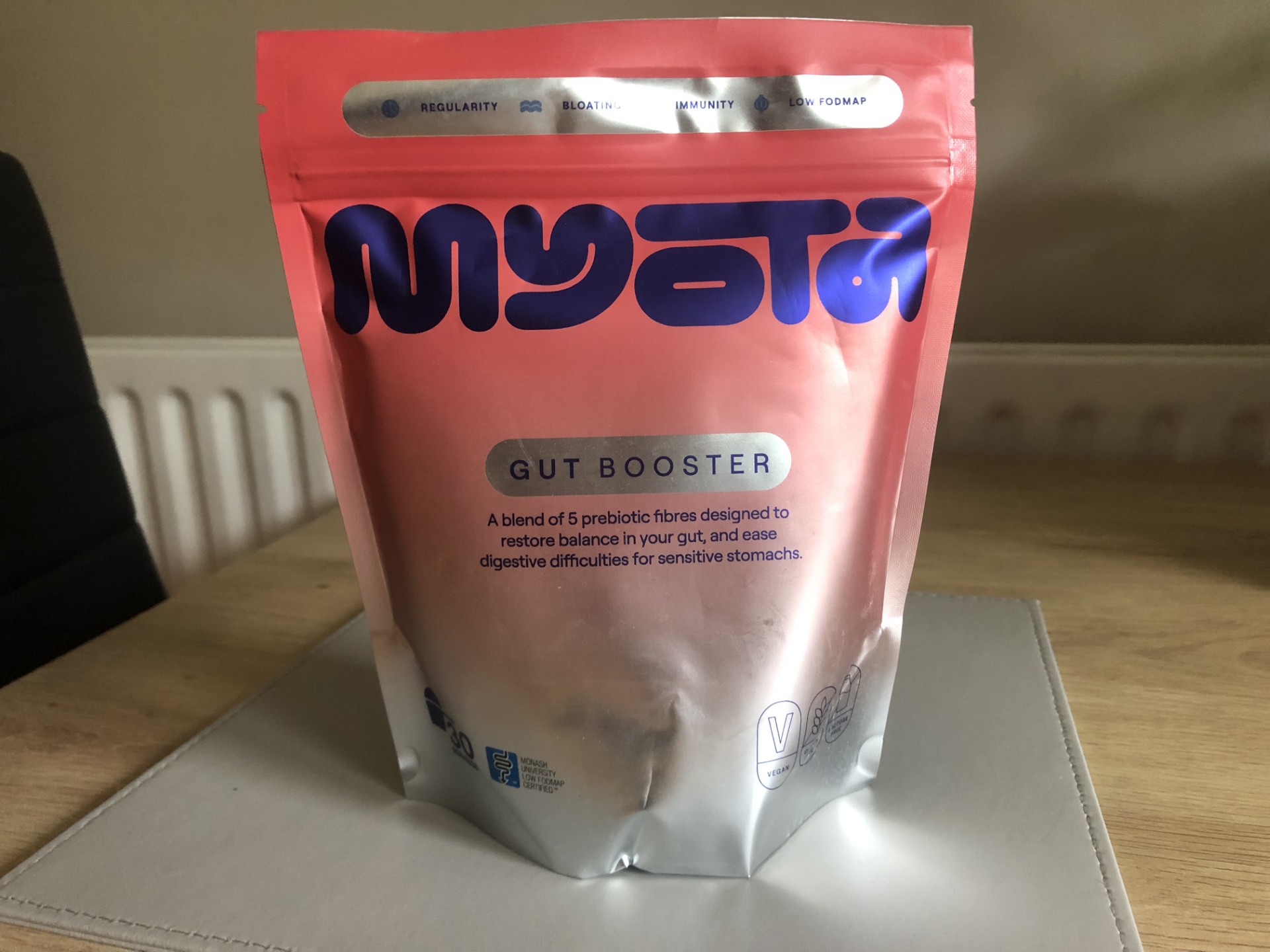
During the podcast we also discussed how products such as Myota Gut Booster can help support gut health by providing targeted prebiotic fibres.
For those interested in learning more about Myota and the science behind its ingredients, I’ve written two in-depth reviews:
👉 Myota Prebiotic Benefits and Discount Code
Exclusive Myota Discount Code
If you’d like to try Myota for yourself, you can save 20% using my exclusive discount code:
ULTIMATE20
This discount applies across the Myota range and is a great way to support your gut microbiome while saving money.
Key Takeaways from the Podcast
If there was one message I wanted listeners to take away from the discussion, it was this:
Don’t underestimate fibre.
While protein often steals the spotlight, fibre plays a vital role in digestive health, immune function, recovery, metabolic health and the long-term health of your gut microbiome.
Small improvements in fibre intake can have a significant impact over time, particularly when combined with regular exercise and an overall healthy diet.
Looking for Personalised Sports Nutrition and Gut Health Support?
Every individual is different and there is no one-size-fits-all approach to nutrition.
As a qualified Nutritional Therapist specialising in sports nutrition, gut health and endurance performance, I help clients optimise their nutrition to improve:
- Running performance
- Recovery
- Energy levels
- Digestive health
- Body composition
- Long-term wellbeing
Book a Nutrition Consultation
If you’d like personalised support with your nutrition, gut health or sports performance, visit my Nutrition Services page to learn more and book a consultation.
Whether you’re training for your next race, struggling with digestive issues or simply looking to improve your health, I’d be delighted to help.
Looking for Expert Nutrition and Personal Training Support in Sutton Coldfield?
If you’re looking to improve your running performance, optimise your gut health, lose weight, increase energy levels or train for your next race, personalised support can make a huge difference.
As a qualified Nutritional Therapist and Personal Trainer based in Sutton Coldfield, I help runners, endurance athletes and health-conscious individuals develop practical strategies to improve:
- Sports performance
- Recovery and injury resilience
- Gut health and digestive issues
- Weight management
- Energy levels
- Strength and fitness
Whether you need a personalised nutrition plan, sports nutrition advice, gut health support or one-to-one personal training, I’m here to help.
Find out more about my Personal Training Services in Sutton Coldfield and Nutrition Consultations today.