
Sports Nutrition refers to nutritional strategies that are put in place to aid athletic performance.
This can help them prepare and recover from training and competition.
Nutrition and hydration are key for performance. They are what fuels your body to move. Like putting petrol in a car, having the right fuel is key – you wouldn’t put diesel in a petrol car!
Staying hydrated reduces the risk of injury and muscle fatigue which is key in sports performance.
The Basics
Sports Nutrtion consists of three basic principles.
But how they look for each person may be completely different to the next, depending on the goal of the sport.
The three principles are:
- Fuelling – providing the body with food to enhance stamina, strength and clarity.
- Hydration – preventing dehydration and fatigue, whilst optimising muscle performance.
- Recovery – to aid in recovery after exercise.
How is This Put Into Practice?
Sports nutrition isn’t just reserved for elite athletes and marathon runners.
Anyone keen to understand and elevate their fitness can benefit from sports nutrition.
Hydration and fuelling strategies vary depending on the type of event you are participating in, so, using the key principles, let’s take a look at what sports nutrition might look like for the average gym-goer and a marathon runner…
The Average Gym-Goer
For the average gym-goer, fuelling might consist of a ‘typical’ ‘healthy diet’, For example:
- 50% carbohydrates
- 30% fat
- 20% protein
- Five pieces plus of fruit and vegetables per day
Read my blog on a simple way to improve your diet.
Hydration
Hydration is also important, aiming for at least two litres of fluid per day.
It is advised to have a high carbohydrate snack an hour or so before the session such as two slices of wholemeal toast, particularly if you haven’t eaten for over three hours.

Post Workout
After the workout, aim to have a full meal (usually lunch or dinner) within two hours, containing a mix of carbohydrates and protein to help the body recover.
The carbohydrate will restock spent energy stores (glycogen) and the protein will help repair damaged muscle fibres.
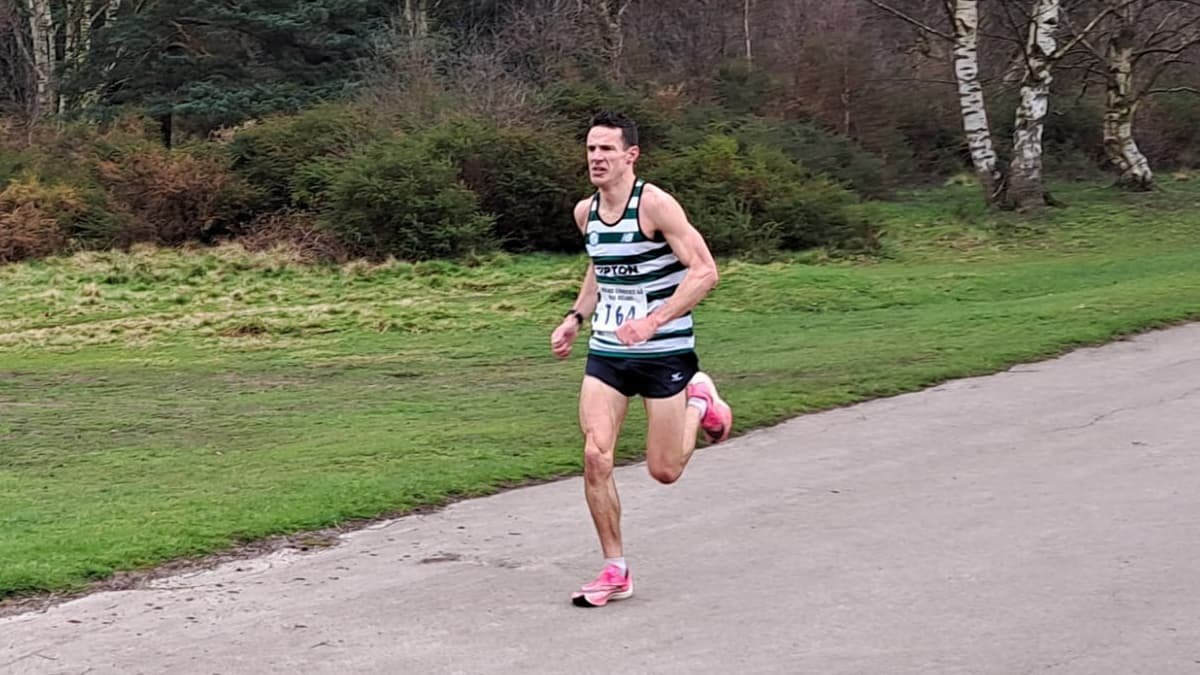
Elite Marathon Runner
For an elite marathon runner, the principles of sports nutrition change slightly.
You’d need to eat more calories in general, as you’ll be training more often and potentially at a higher intensity.
You need to have a higher carbohydrate intake to increase carbohydrate stores (glycogen) to have more available energy.

So, your diet might look like this:
- 65% carbohydrate
- 20% fat
- 15% protein
Increase Fluid Intake
You’d need to take in more fluids to avoid muscle fatigue and increased injury risk, as you risk losing more fluids through sweat.
Recovery
Finally, recovery strategies would be even more important for a marathon runner, as training more means there would be less time between sessions, meaning less time to recover.
This would mean having a carbohydrate/protein-rich snack within 30 minutes of finishing a training session, such as a banana with a protein shake.
Another good Sports Nutrition strategy would be to consume chocolate milk after a training session.
Why Chocolate Milk?
Being able to stomach solid food straight after training can be somewhat difficult, therefore liquid refueling can be priceless in this situation.
With the added sugar content of chocolate milk compared to regular milk, boosting it’s carbohydrate content, it is great for replenishing glycogen stores.
It’s high carbohydrate content combined with it’s high protein content, means it helps muscle repair after exercise leading to improved recovery as the study in the link demonstrates.

How Can a Sports Nutritionist Help?
Everyone has different fitness levels, diets, goals, and activities and one size doesn’t fit all.
A Sports Nutritional Consultant will work with you to discuss your goals and current status and devise a tailored nutrition plan to maximise your performance.
Whether your goal is training for a specific event or more general enhancements such as weight management, improving concentration or energy levels, a Sports Nutritional Consultant will assess your whole-body health, daily habits, supplements and regular medication needs.
If you are interested in booking a Sports Nutrition Consultation please feel free to get in touch.