Recovery is often the missing piece of the endurance performance puzzle.
Many runners, cyclists, triathletes and swimmers focus heavily on training volume, nutrition and sleep, yet overlook one of the body’s most important recovery systems: the autonomic nervous system.
This is where the Nurosym device is generating increasing interest among endurance athletes.
By using non-invasive vagus nerve stimulation, Nurosym aims to enhance parasympathetic activity — the body’s “rest and recover” mode — potentially improving heart rate variability (HRV), sleep quality and recovery between training sessions.
But what does the research actually say, and can vagus nerve stimulation genuinely help endurance athletes recover faster?
Looking to optimise your recovery?
Optimise Your Recovery with Nurosym
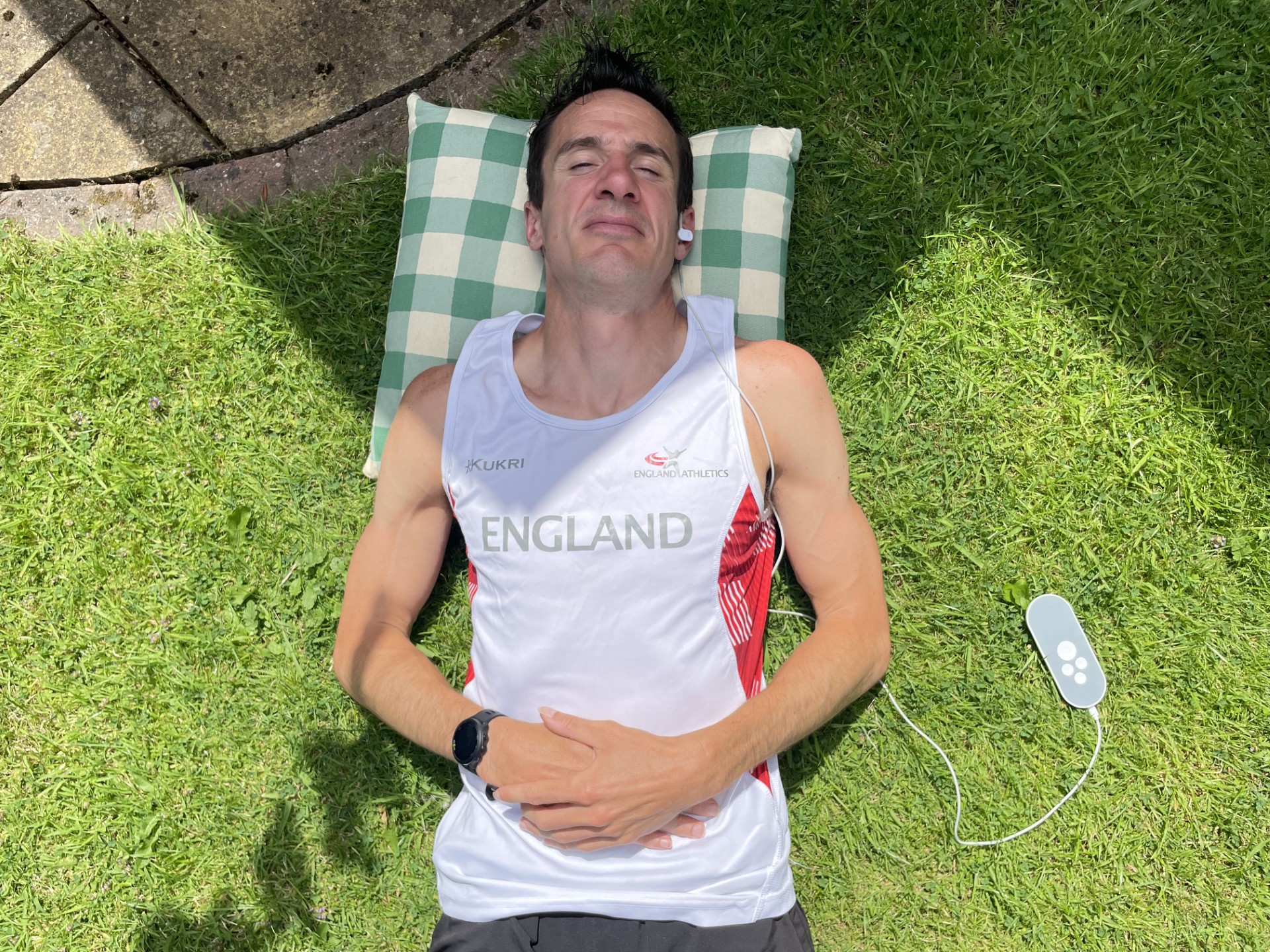
I’ve incorporated Nurosym into my own recovery routine to support HRV, sleep quality and post-training recovery during heavy training blocks.
Get an exclusive 10% discount today. Claim Your Discount →
Disclosure: This article contains affiliate links. If you purchase through these links, I may earn a commission at no extra cost to you. I only recommend products I personally use and trust.
What Is Nurosym?
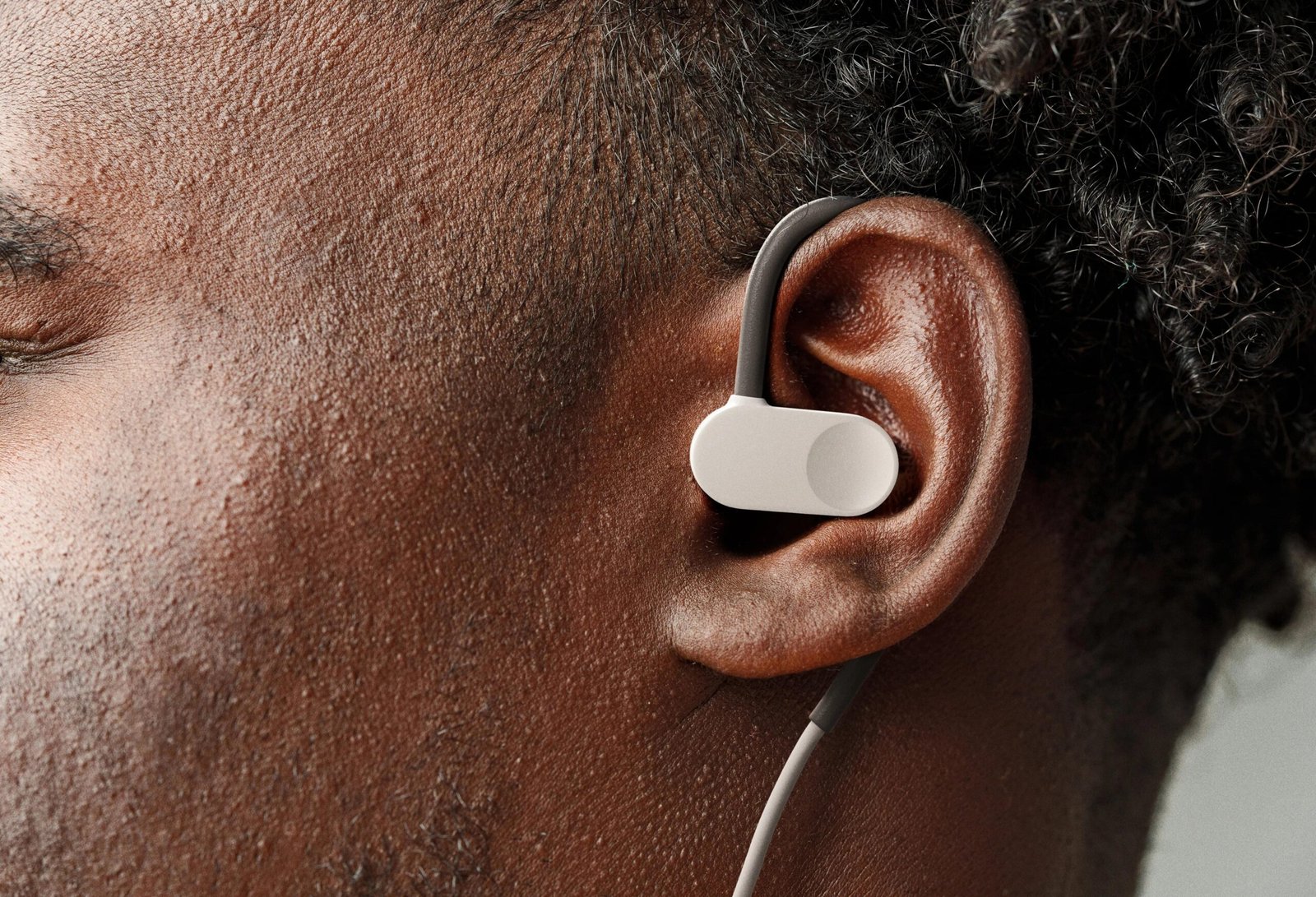
Nurosym is a wearable device that delivers gentle electrical impulses to the auricular branch of the vagus nerve via the outer ear.
This form of therapy is known as transcutaneous auricular vagus nerve stimulation (taVNS).
Unlike implanted vagus nerve stimulators used in clinical settings, Nurosym offers a non-invasive option that can be used at home.
The vagus nerve plays a central role in regulating:
- Heart rate
- Breathing patterns
- Inflammation
- Digestion
- Stress response
- Sleep quality
- Recovery from exercise
Following hard training sessions, endurance athletes often experience elevated sympathetic nervous system activity, commonly known as the “fight or flight” response.
Optimal recovery depends on shifting back towards parasympathetic dominance as efficiently as possible.
If you’re new to vagus nerve stimulation technology, read my complete guide to the benefits of Nurosym and discover how this non-invasive device may support recovery, sleep quality and overall wellbeing.
Why Recovery Matters for Endurance Athletes
Every training session creates stress on the body.
Adaptation only occurs when adequate recovery follows.
Poor recovery can contribute to:
- Persistent fatigue
- Reduced training quality
- Elevated resting heart rate
- Decreased HRV
- Poor sleep
- Increased injury risk
- Higher susceptibility to illness
- Overreaching and overtraining syndrome
Monitoring metrics such as HRV and resting heart rate has become increasingly popular because they provide valuable insight into recovery status.
Many athletes use wearable devices such as Garmin, WHOOP, Oura and Polar to track these markers.
The challenge is not simply measuring recovery — it is improving it.
How Could Nurosym Support Exercise Recovery?
The primary mechanism behind Nurosym is enhancing vagal tone.
While wearable technologies such as Nurosym offer targeted vagus nerve stimulation, lifestyle interventions can also help improve vagal tone naturally. Discover practical strategies in my guide on stimulating the vagus nerve naturally, including cold exposure, meditation and nutrition approaches.
Higher vagal activity is associated with:
- Faster heart rate recovery after exercise
- Improved HRV
- Better stress resilience
- Enhanced sleep quality
- Reduced systemic inflammation
- Greater readiness for subsequent training sessions
Following intense exercise, sympathetic activity remains elevated.
The goal of post-exercise recovery is to restore autonomic balance.
By stimulating the vagus nerve, Nurosym may help accelerate this process.
If you frequently experience poor recovery, elevated resting heart rate, digestive issues or persistent fatigue, these may be signs of low vagal tone affecting your ability to adapt to training.
Potential benefits for endurance athletes include:
1. Improved Heart Rate Variability (HRV)
HRV reflects the variation in time between heartbeats.
Generally, higher HRV indicates greater parasympathetic activity and improved recovery capacity.
Many endurance athletes use HRV trends to guide training decisions and monitor recovery status.
Improvements in HRV may indicate:
- Better autonomic balance
- Enhanced resilience to training stress
- Reduced fatigue accumulation
- Improved readiness to perform
2. Faster Heart Rate Recovery
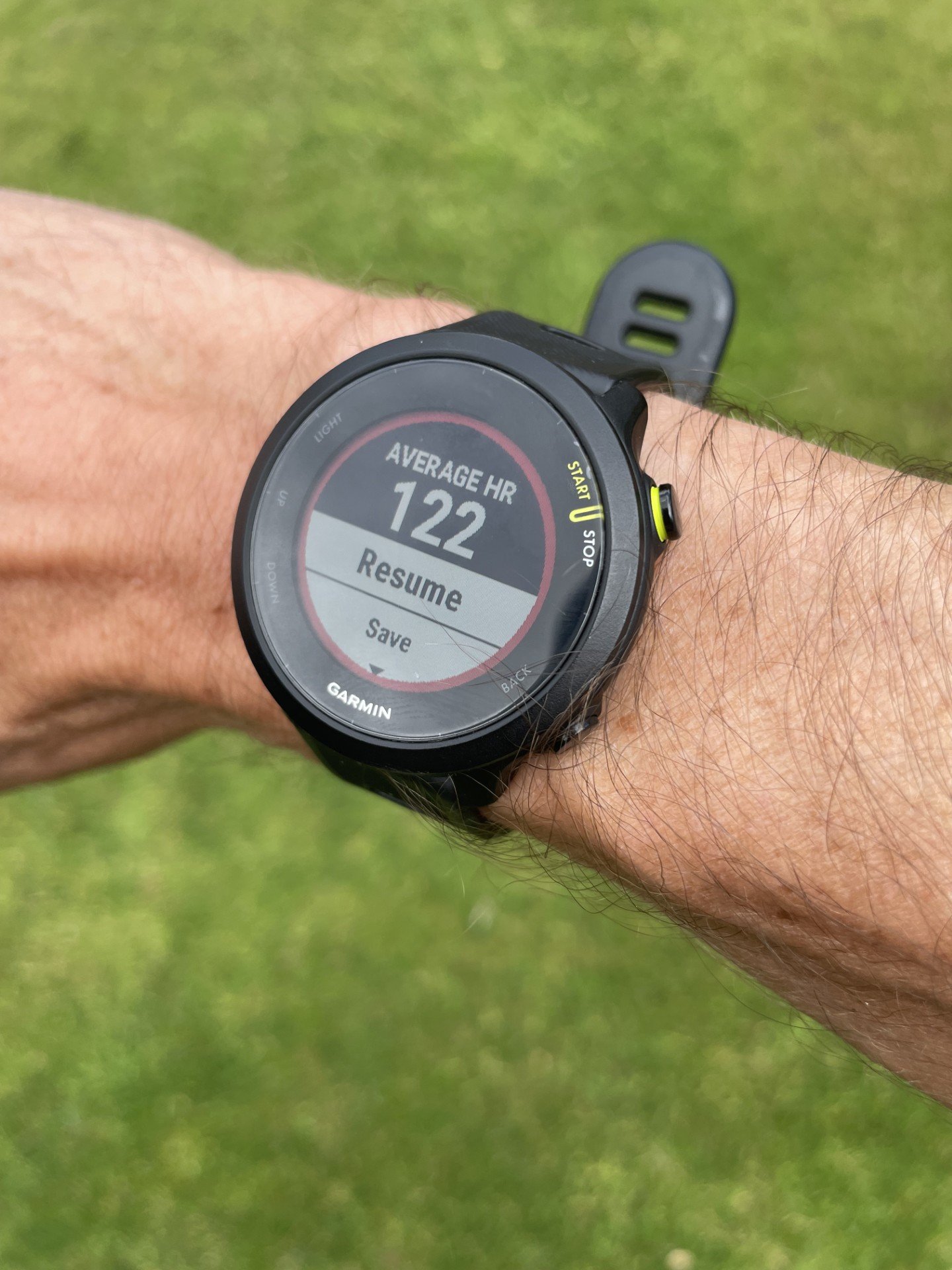
Heart rate recovery refers to how quickly your heart rate declines after exercise.
A faster reduction indicates stronger parasympathetic activation.
Slower heart rate recovery has been linked with impaired recovery and increased cardiovascular risk.
Optimising post-exercise parasympathetic activity may help athletes return to baseline more efficiently.
3. Reduced Stress and Improved Sleep
Training stress is not limited to physical exercise.
High training loads combined with work, family commitments and competition pressure can leave endurance athletes stuck in a prolonged stress response. Supporting vagal activity may help restore balance between the sympathetic and parasympathetic nervous systems.
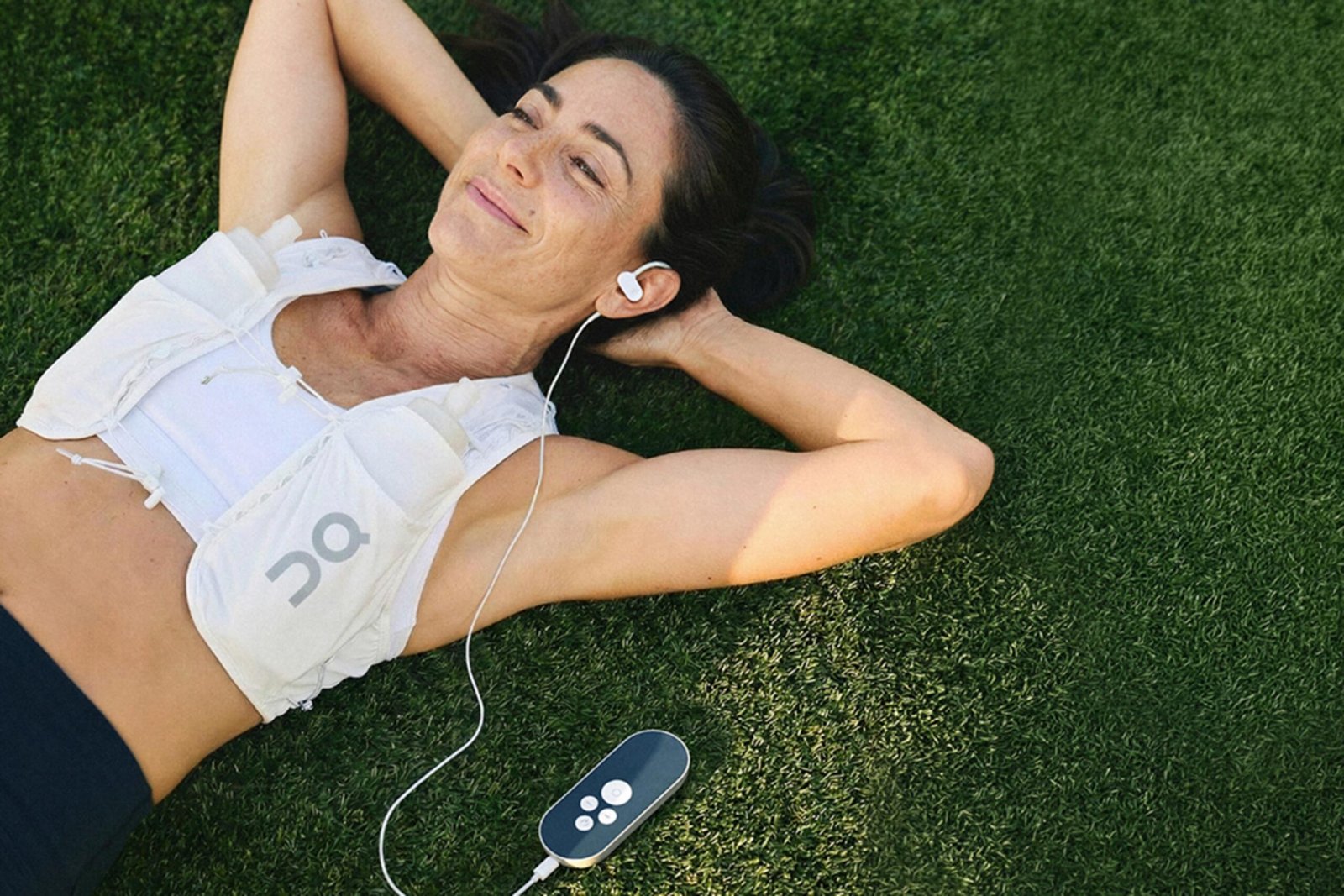
Learn more about the connection between vagus nerve stimulation and stress relief.
Athletes struggling with race nerves or general anxiety may also benefit from understanding the relationship between the vagus nerve and emotional regulation.
Chronic stress can suppress recovery by maintaining sympathetic dominance.
Many athletes report using vagus nerve stimulation as part of an evening routine to support relaxation and improve sleep quality.
As sleep remains the most powerful recovery tool available, any intervention that enhances sleep quality could indirectly support performance.
4. Potential Anti-Inflammatory Effects
Endurance training temporarily increases inflammation.
Emerging research suggests the vagus nerve influences communication between the brain, immune system and digestive tract through the gut-brain axis.
Read more about the vagus nerve’s role in gut health and recovery.
While some inflammation is essential for adaptation, excessive or prolonged inflammation may impair recovery.
The vagus nerve plays a role in regulating the inflammatory response through what researchers describe as the “cholinergic anti-inflammatory pathway”.
Emerging evidence suggests vagus nerve stimulation may help modulate inflammatory markers, although more research in athletic populations is needed.
What Does the Research Say?
Research into transcutaneous vagus nerve stimulation and athletic recovery is still developing, but early findings are promising.
Recent studies have shown that post-exercise auricular vagus nerve stimulation may improve autonomic recovery following exercise by enhancing parasympathetic reactivation.
Research has demonstrated improvements in HRV measures associated with vagal activity, suggesting enhanced recovery capacity.
Other studies have observed improvements in exercise efficiency, reductions in inflammatory markers and favourable changes in cardiovascular function.
However, it is important to recognise several limitations:
- Much of the current research involves small sample sizes.
- Many studies include recreationally active or sedentary participants rather than trained endurance athletes.
- Long-term effects on race performance remain unclear.
- Individual responses vary considerably.
While the evidence is encouraging, Nurosym should be viewed as a complement to — not a replacement for — proven recovery strategies.
The current evidence for transcutaneous vagus nerve stimulation is promising, particularly for supporting autonomic recovery and HRV.
Interested in Trying Nurosym?
I’ve partnered with Nurosym to offer readers an exclusive 10% discount.
Discount automatically applied at checkout.
The Foundations of Recovery Still Matter Most
No recovery device can compensate for:
- Insufficient sleep
- Poor nutrition
- Inadequate carbohydrate intake
- Low energy availability
- Dehydration
- Excessive training load
Before investing in recovery technology, athletes should prioritise:
- Consistent sleep routines
- Appropriate fuelling before, during and after exercise
- Adequate protein intake
- Sufficient carbohydrate availability
- Hydration and electrolyte replacement
- Intelligent training periodisation
Recovery tools work best when these fundamentals are already in place.
Optimise Your Recovery with Personalised Sports Nutrition Support
While recovery technologies such as Nurosym can be valuable additions to your routine, they work best when the foundations are already in place.
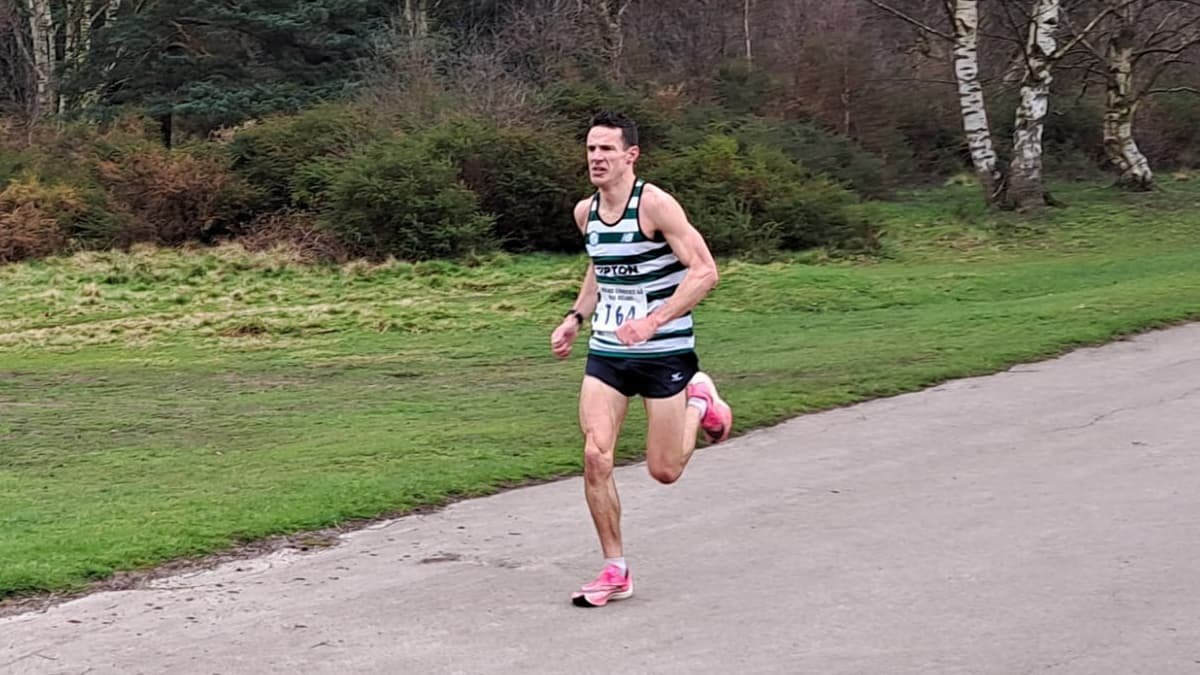
As a qualified Nutritional Therapist, Sports Nutritionist and England Masters international distance runner, I help runners, cyclists, triathletes and endurance athletes optimise their recovery through evidence-based nutrition strategies.
Whether you’re preparing for your first marathon, targeting a personal best or simply looking to recover better between training sessions, personalised nutrition support can help you:
- Improve fuelling before, during and after exercise
- Enhance recovery between sessions
- Support gut health and digestive comfort
- Increase energy availability
- Reduce the risk of illness and injury
- Optimise body composition for performance
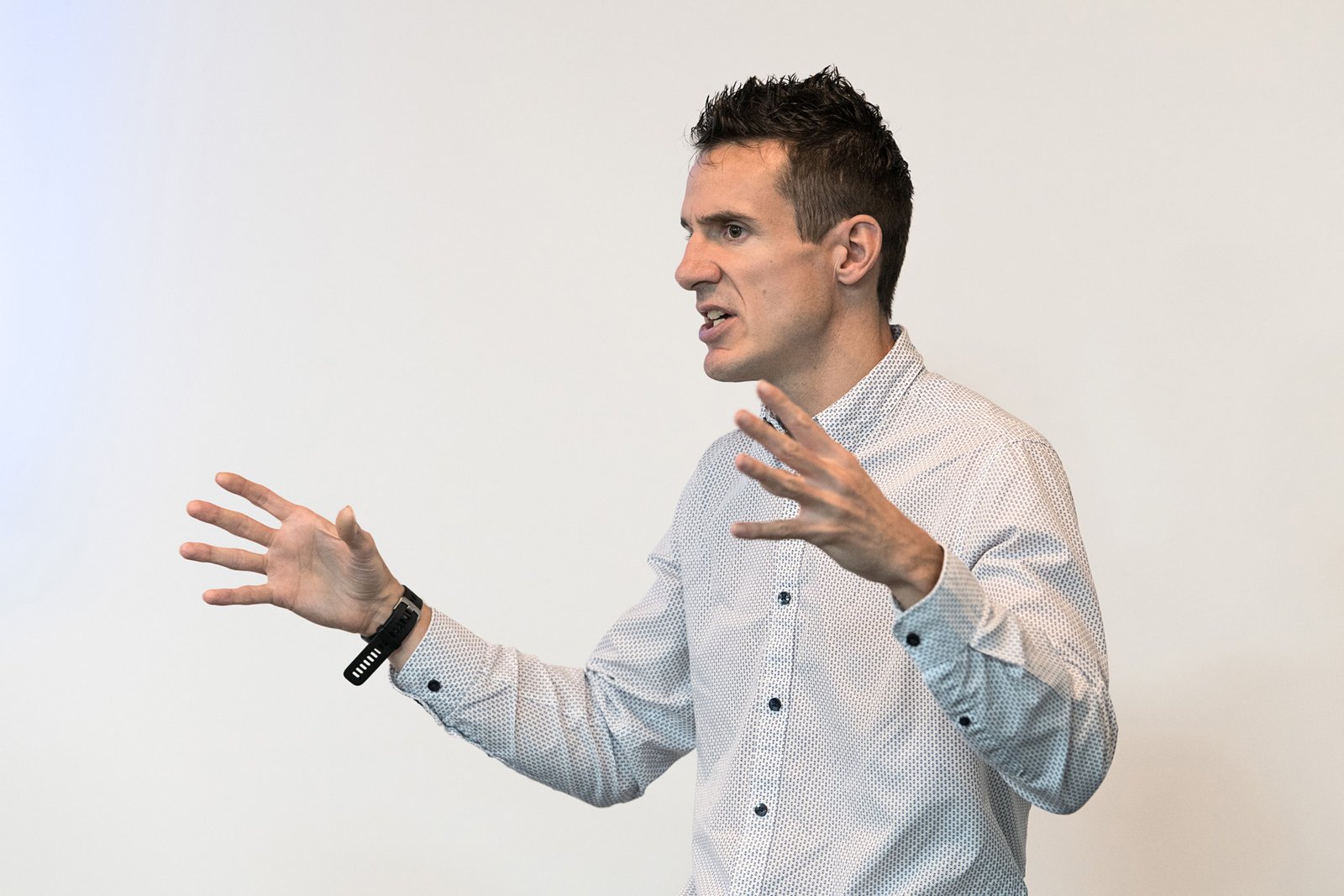
I offer one-to-one sports nutrition consultations online and in person in Sutton Coldfield.
Explore my sports nutrition services or get in touch to discuss how I can help you achieve your goals.
How to Use Nurosym as Part of a Recovery Strategy
Many athletes incorporate Nurosym into their routine:
- After hard training sessions
- During periods of heavy training load
- Before bedtime to support relaxation
- During travel or competition periods
- During recovery weeks
Tracking metrics such as HRV, resting heart rate, sleep quality and perceived recovery can help determine whether the device is beneficial for you.
Remember that recovery is highly individual.
What works well for one athlete may not work for another.
Breathing exercises are one of the simplest ways to activate the parasympathetic nervous system and complement the use of vagus nerve stimulation devices.
Try these evidence-based vagus nerve breathing exercises alongside your recovery routine.
If you’re considering investing in recovery technology, it’s worth understanding the different types of vagus nerve stimulation devices available and how they compare
My Experience Using Nurosym as an England Masters International Distance Runner
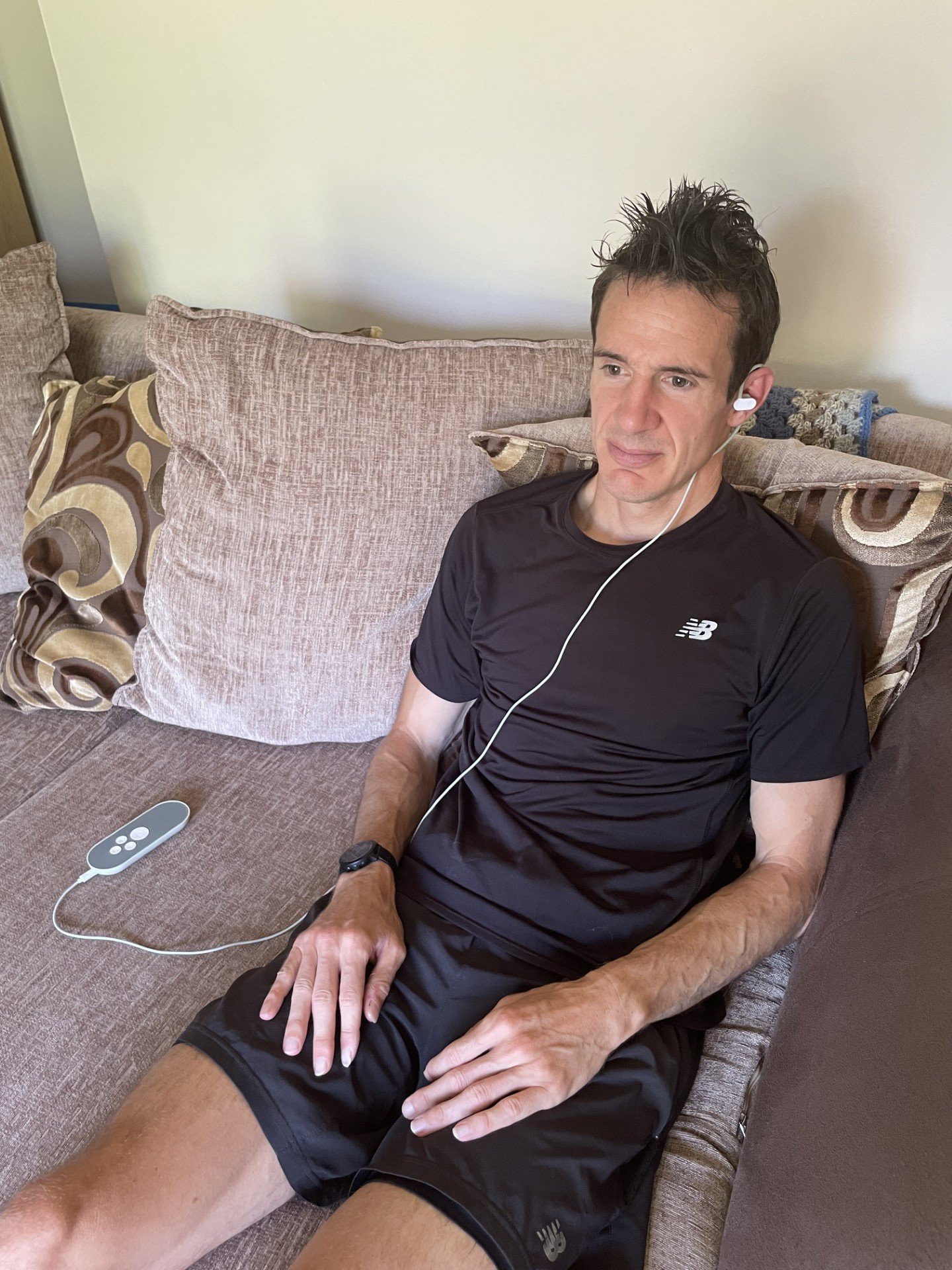
As an England Masters international distance runner, recovery is just as important to me as the training itself.
Balancing high training volumes with work and everyday life means I pay close attention to the factors that influence recovery, including sleep quality, stress management and heart rate variability.
One of the reasons I’ve continued using Nurosym is that it fits easily into a busy schedule. I can use it while answering emails, reading or relaxing after training, making it much easier to stay consistent. If you’re wondering how to fit vagus nerve stimulation around work, family life and other commitments, read my guide to Nurosym for Busy People.
I’ve incorporated Nurosym into my recovery routine during periods of heavy training and around key races, typically using it after harder sessions or in the evening before bed.
While recovery is always multifactorial and depends on the foundations of good nutrition, sleep and intelligent training, I’ve personally found that Nurosym helps me switch into a more relaxed state after demanding sessions.
Subjectively, I’ve noticed improvements in how quickly I feel recovered between sessions and how easily I unwind after intense training blocks.
As a masters athlete, optimising recovery becomes increasingly important, and I see Nurosym as a valuable addition to my overall recovery toolkit.
Of course, individual responses will vary, but based on my own experience as both an endurance athlete and a sports nutrition practitioner, I believe vagus nerve stimulation can complement a well-structured recovery strategy.
Exclusive Reader Offer
Save 10% on Nurosym
I’ve partnered with Nurosym to offer readers an exclusive 10% discount on their purchase. Try Nurosym for Recovery →
Discount automatically applied at checkout.
Final Thoughts
Nurosym represents an exciting development in recovery technology for endurance athletes.
By targeting the autonomic nervous system through non-invasive vagus nerve stimulation, it may help improve HRV, enhance parasympathetic activity and support recovery between training sessions.
The early research is promising, but larger studies involving well-trained endurance athletes are still needed.
For now, think of Nurosym as an additional tool in your recovery toolkit rather than a shortcut to better performance.
When combined with effective training, high-quality nutrition and adequate sleep, it may help you recover more efficiently and perform at your best.
Exclusive Reader Offer
Ready to Support Your Recovery?
I’ve partnered with Nurosym to offer readers an exclusive 10% discount on their purchase. Try Nurosym for Recovery →
Discount automatically applied at checkout.
Jonny Carter is a Nutritional Therapist, Sports Nutritionist and Personal Trainer in Sutton Coldfield. As an England Masters international distance runner, he specialises in helping endurance athletes optimise performance, recovery and gut health through evidence-based nutrition and training strategies.