
The summer is here, meaning hot temperatures are common place. Optimising hydration is very important for both general health and sports performance.
NHS Recommendations
Most of the year, the NHS recommends that the average person should drink around 2 litres of water daily. You can check your hydration status by following the ‘pee chart‘ below!
Here is a link to another ‘pee chart‘ for your reference.

When temperatures have been above 25 degrees recently, leading Urologists suggest this should be increased to 3 litres.
If you are exercising intensely this should be increased even further to around 3.5-4 litres.
You can get some of this water from food, various fruits such as watermelon are made up of a high percentage of water also juices, tea, etc can all be included in your water consumption.
However, it is hard to quantify how much water you are getting from food; therefore, it is easier to quantify through water.
A good tip is to fill a 1.5 litre bottle with water and sip it whilst sitting at your work desk, that means you have drank at least half (or more in the non-summer months) of your water needs in eight hours.
Why is Hydration Important?
Your body depends on water to survive.
Every cell, tissue, and organ in the body needs water to work properly. Your body uses water to lubricate joints, remove waste and maintain its temperature, basically, every chemical reaction needs water.
Staying optimally hydrated also helps your body transport various nutrients from food to give you energy. Therefore, if you’re not properly hydrated you are likely to be low in energy.
Optimising hydration is also important for fat loss. This is because lean muscle is made up of around 80% water, needing this water to function properly.
When you become dehydrated the muscle will not function properly as it can’t contract efficiently, this reduces both strength and endurance, therefore you will not be able to train for as long and as hard, therefore, leading to less calorific burn from exercise.
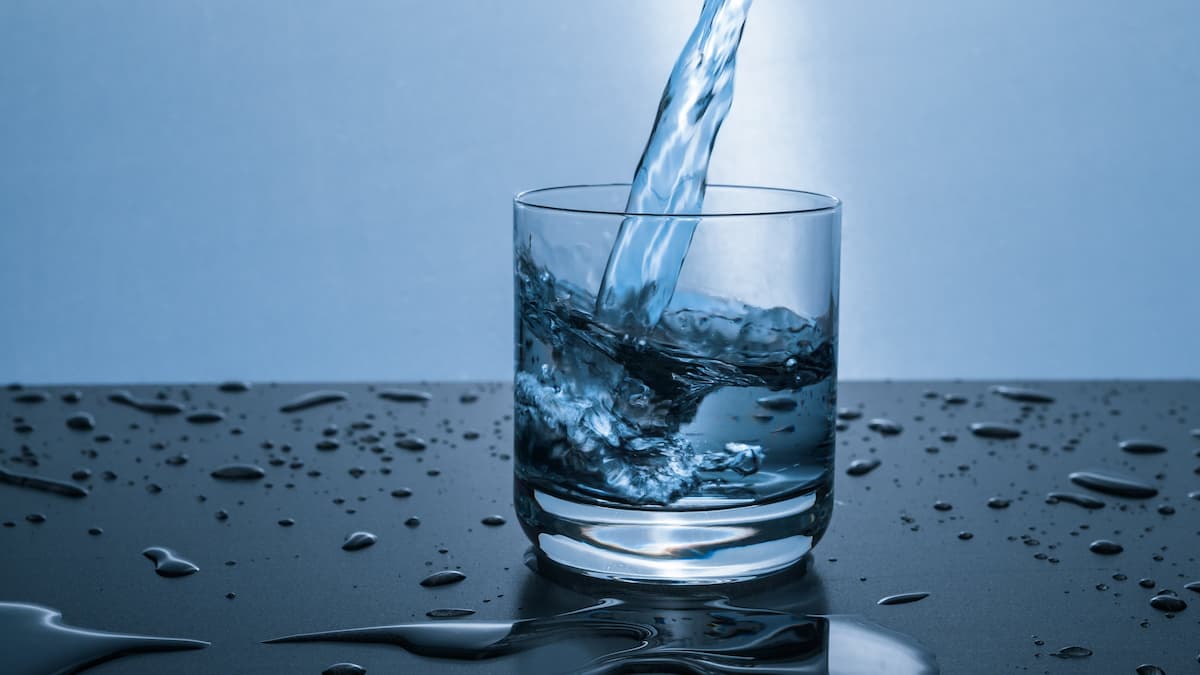
Hydrate to Burn More Calories
As already mentioned, water is needed to absorb and transport nutrients around the body and store carbohydrates in the liver and muscles.
Water also aids digestion, transports and removes waste products in the blood and helps the immune system function optimally.
All these processes are part of your body’s metabolism and therefore burn calories constantly.
If you are not optimally hydrated, these processes will slow down or even stop, slowing your metabolic rate and burning fewer calories.

The Signs of Dehydration
These vary drastically in severity. However, you shouldn’t wait until you feel thirsty to drink water, as at this stage you are already dehydrated, and all the above processes will start to slow down.
Once the dehydration becomes more severe you may experience fatigue, less urine output and suffer a headache and or dizziness.
Check out the NHS website for further signs and causes of dehydration.
Take Home Message
Staying hydrated is clearly very important. Having a sub-optimal hydration status can negatively impact fat loss if that is your goal, also it will hamper sport performance.
Being more severely de-hydrated can lead to serious problems and even death, however all this can be avoided by following the simple measures discussed.
As already mentioned one of the simplest ways you can check your hydration levels is by using the ‘pee chart’ in the picture.
The darker your urine is the more dehydrated you are. Optimal hydration should result in light straw-coloured urine.
The ‘pee chart‘ is very simple but a great way of recognising your hydration levels and if your urine is on the darker side get consuming water!
For more help in optimising your health through Nutritional Therapy please feel free to get in touch.
You can also combine Nutrition Consultancy with Personal Training for optimal results. Check out how you can combine Nutritional Consultancy with Personal Training by clicking the link.