
Can Probiotics Make Histamine Symptoms Worse?
Probiotics are widely recommended for gut health — but if you struggle with:
- Histamine intolerance
- Mast cell activation symptoms
- SIBO
- Chronic bloating
- Food sensitivities
Some probiotics may actually aggravate your symptoms.
That’s because certain bacterial strains can produce histamine in the gut.
In this article, you’ll learn:
- What non-histamine-producing probiotics are
- What the research says
- Who they benefit most
- Why prebiotics enhance their effectiveness
- Later in this article, I’ll share an exclusive Healf discount link for a histamine-friendly probiotic that may help
Understanding Histamine & the Gut Microbiome
Histamine is a natural compound involved in immune signalling, digestion, and inflammation. Under normal circumstances, the enzyme DAO (diamine oxidase) breaks down excess histamine.
However, research shows that individuals with histamine intolerance often present with altered gut microbiota and reduced histamine degradation capacity.
A review published in Nutrients (Sanchez-Perez et al. 2022) highlights the relationship between histamine intolerance and gut dysbiosis. 🔗 Intestinal Dysbiosis in Patients with Histamine Intolerance
Further research published in Biology (2025) found that certain strains of Lactiplantibacillus plantarum may stimulate DAO secretion in intestinal cells — suggesting strain selection matters. 🔗 “Potential Role of Probiotic Strain Lactiplantibacillus plantarum in Control of Histamine Metabolism.”
The key point:
👉 Not all probiotics are equal.
Some produce histamine.
Some are neutral.
Some may support histamine metabolism.
What Are Non-Histamine-Producing Probiotics?
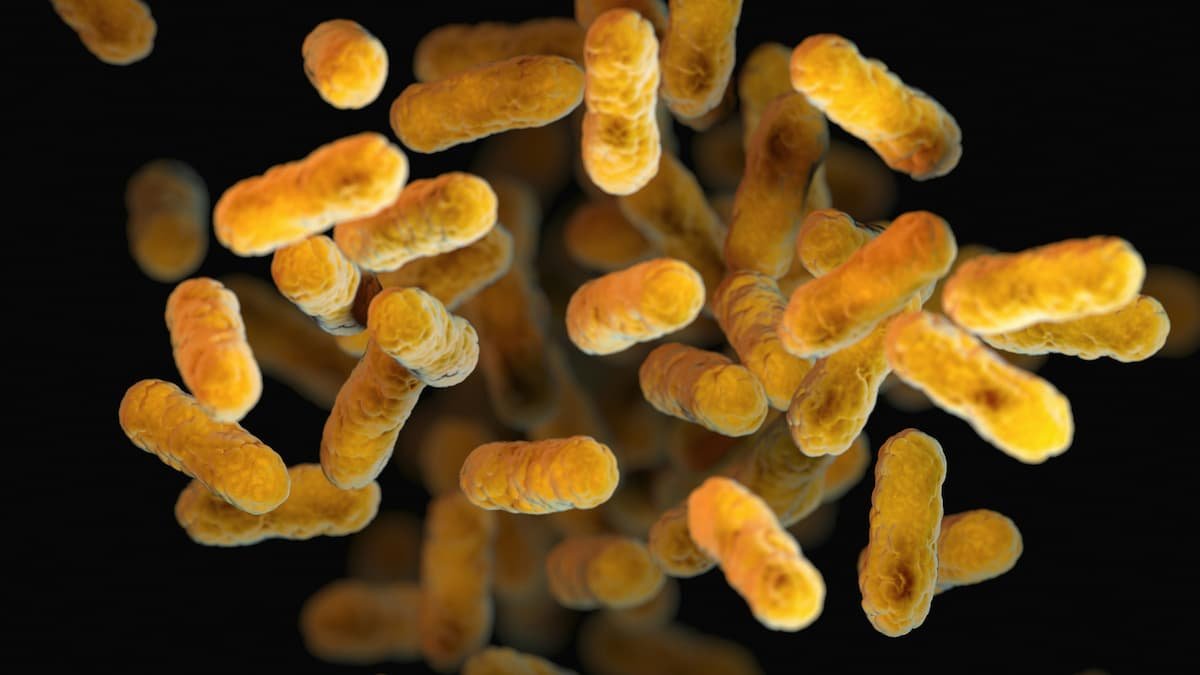
Non-histamine-producing probiotics are strains that:
- Do not generate histamine
- Avoid worsening histamine load
- May support microbial balance without triggering symptoms
For people sensitive to fermented foods or aged products, these strains can make a significant difference.
Who Benefits Most?
1️⃣ Histamine Intolerance
Symptoms may include:
- Headaches
- Flushing
- Itching
- Bloating
- Sinus congestion
- Fatigue
Reducing histamine exposure — including from gut bacteria — may lower overall symptom burden.
2️⃣ Mast Cell Activation Symptoms
Individuals with mast cell instability are particularly sensitive to histamine fluctuations.
3️⃣ SIBO & Gut Dysbiosis
Traditional probiotics sometimes worsen bloating in SIBO. Choosing histamine-neutral strains can be better tolerated.

4️⃣ Leaky Gut & Inflammation
Increased intestinal permeability may allow greater histamine absorption into circulation.
If you haven’t yet, read:
🔗 [Leaky Gut: Signs, Causes & Healing Strategies]
🔗 [Why Gut Health Matters for Whole-Body Wellness]
Why Prebiotics Improve Probiotic Effectiveness
Taking probiotics alone isn’t always enough.
Prebiotics are fermentable fibres that feed beneficial bacteria, helping them colonise and produce short-chain fatty acids like butyrate.
Research published in Gut Microbes demonstrates that prebiotics:
- Increase beneficial Bifidobacteria
- Improve microbial diversity
- Strengthen gut barrier integrity
- Enhance probiotic colonisation
Think of it simply:
🦠 Probiotics = Seeds
🌱 Prebiotics = Fertiliser
If you’re investing in high-quality probiotics, make sure you’re also consuming:
- Diverse plant fibres
- Resistant starch
- Polyphenol-rich foods
- Targeted prebiotic support (where appropriate)
For a more personalised microbiome approach, read:
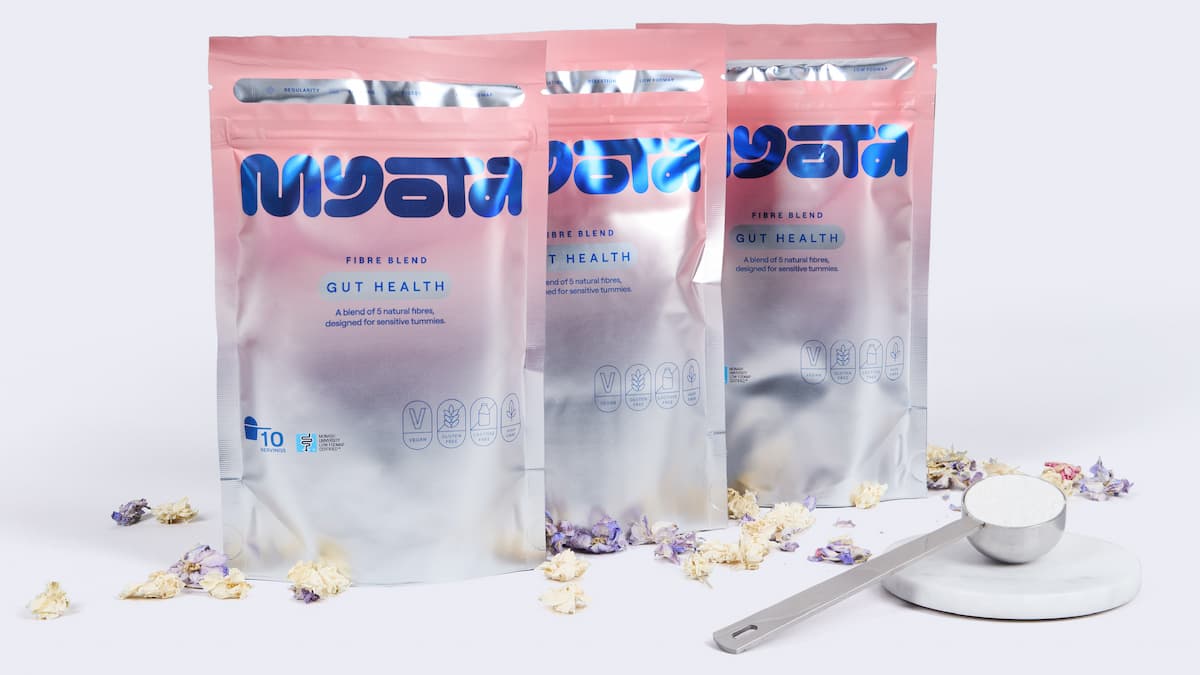
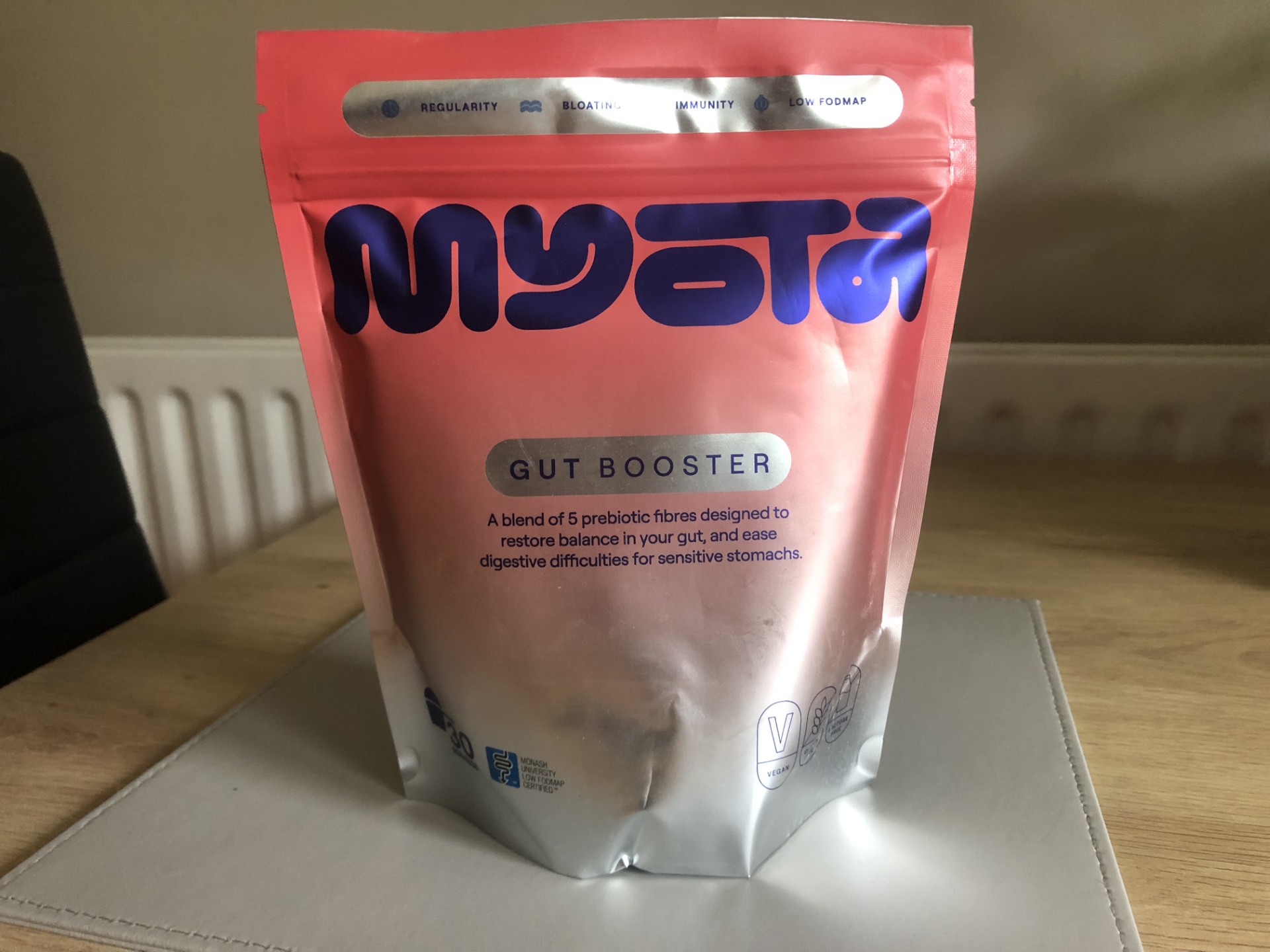
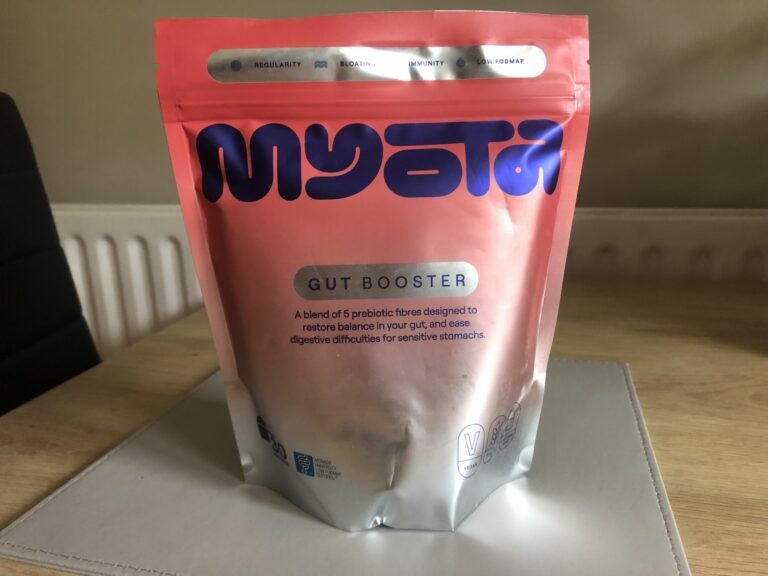
🔗 [The Benefits of Myota: Personalised Microbiome Support]
Related Articles: Gut Health and Iron Deficiency
Gut health and iron absorption are closely connected, and understanding your iron status is an important part of supporting your overall health.
If you’re interested in learning more about iron deficiency, you might also find these articles useful:
- Low Ferritin Symptoms and Causes: Discover the common symptoms of low ferritin, why it happens and what you can do to support healthy iron levels.
- Low Ferritin in Runners: How I Raised Mine From 17 to 53: My personal experience of low ferritin, including the nutritional changes I made and how I improved my iron levels over 10 weeks.
- Lactoferrin Benefits: Gut Health and Iron Deficiency: Learn about lactoferrin, its potential benefits for gut health and what research tells us about its role in iron metabolism.
A Histamine-Friendly Probiotic Option
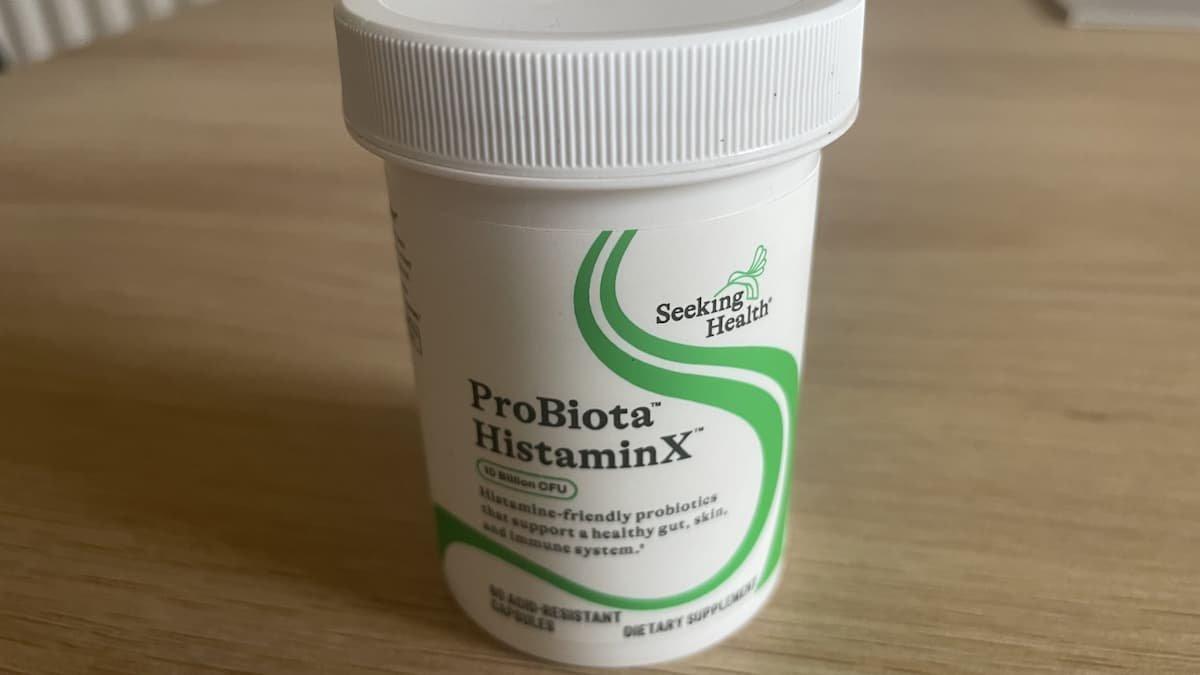
One product specifically formulated for sensitive individuals is:
👉 ProBiota HistaminX
This supplement:
- Avoids common histamine-producing strains
- Uses carefully selected histamine-neutral bacteria
- Is designed for individuals with histamine sensitivity
🎁 Exclusive Discount
You can purchase ProBiota HistaminX (and any other supplements) via Healf using my exclusive discount link: Click on the link below for a 10% discount across the Healf store.
🔗 [https://healf.com/ULTIMATE]
This discount applies across the Healf range of practitioner-grade products.
Benefits of Non-Histamine-Producing Probiotics
Choosing the right strains may help:
✅ Reduce bloating and digestive discomfort
✅ Avoid histamine-triggered flare-ups
✅ Support immune regulation
✅ Improve food tolerance
✅ Support gut barrier repair
When Should You Seek Personalised Support?
Histamine intolerance and gut dysbiosis can be complex. Guesswork often leads to frustration.
If you want a structured, evidence-based plan tailored to your symptoms:
🔗 [Work With Me – Nutrition & Gut Health Services]
I help clients address:
- Histamine intolerance
- IBS
- Leaky gut
- Chronic bloating
- Food reactivity
With a personalised, root-cause approach.
Final Thoughts
Non-histamine-producing probiotics can be transformative for individuals struggling with histamine sensitivity or inflammatory gut conditions.
But the real key isn’t just supplementation.
It’s:
✔ Choosing the correct strains
✔ Supporting them with prebiotics
✔ Addressing gut barrier health
✔ Personalising the approach