
The term “leaky gut” has gained significant attention in recent years, particularly within the realms of holistic health and nutrition.
But what exactly is leaky gut, and what causes it?
I’ve already written two blogs on Leaky Gut in Endurance Athletes and a Holistic Approach to Sports Nutrition further covering leaky gut in endurance athletes.
This blog will cover leaky gut in the general population by delving into the intricacies of leaky gut syndrome, exploring the factors that contribute to this condition, and offering insights into how you can protect your gut health.
What is Leaky Gut?
A leaky gut, or increased intestinal permeability, occurs when the lining of the small intestine becomes damaged, allowing undigested food particles, toxins, and microbes to “leak” through the intestinal wall into the bloodstream.
This leakage can trigger an immune response, leading to inflammation and a range of health issues, from digestive problems such as irritable bowel syndrome to autoimmune diseases.
Symptoms and Diseases Linked to Leaky Gut
Leaky gut is associated with autoimmune conditions such as type 1 diabetes, Crohn’s Disease, and inflammatory skin disorders.
Systemic symptoms of a leaky gut include; fatigue, brain fog, depression, anxiety, and sleep disturbances.
Digestive symptoms associated with a leaky gut include diarrhea, constipation, cramps, bloating, gas, acid reflux, and heartburn.

The Anatomy of the Gut Lining
The gut lining is made up of a single layer of cells called enterocytes, which are tightly packed together by structures known as tight junctions.
These junctions act as gatekeepers, regulating what passes from the gut into the bloodstream.
The gut does let some substances pass through into the bloodstream, however, when these junctions become compromised via inflammation, the gut barrier is weakened, leading to increased permeability and therefore leaky gut.
This means bacteria and toxins leak out into the bloodstream causing a range of symptoms
This in turn leads to larger particles leaking into the bloodstream and this is when problems occur…..
Common Causes of Leaky Gut
Research is very much ongoing; however, several factors have already been identified as potential causes of leaky gut:
1. Poor Diet
A diet high in processed foods, sugar, and unhealthy fats can significantly impact gut health.
These foods can disrupt the balance of gut bacteria (microbiome), leading to dysbiosis—a condition where harmful bacteria outnumber beneficial ones.
Dysbiosis is closely linked to increased intestinal permeability due to the inflammation it causes.
Symptoms of gut dysbiosis can include diarrhea, constipation, gas, bloating, and cramps. It can also cause systemic symptoms such as fatigue and skin conditions.
2. Gluten and Other Food Sensitivities
Gluten, a protein found in wheat, barley, and rye, is known to trigger an immune response in people with Celiac disease.
However, even in those without celiac disease, gluten can cause gut irritation and contribute to leaky gut.
Other common food sensitivities, such as dairy, soy, and certain additives, may also exacerbate gut permeability.
Common symptoms of food sensitivities include both digestive issues and very commonly systemic problems such as fatigue, brain fog, and muscle and joint pain.
3. Chronic Stress
Stress affects the body in numerous ways, and the gut is no exception.
Chronic stress can alter gut motility, increase inflammation, and weaken the gut lining.
The gut-brain axis—a bidirectional communication system between the gut and the brain—plays a key role in how stress impacts gut health.

4. Infections and Toxins
Pathogenic bacteria, viruses, and parasites can directly damage the gut lining, leading to increased permeability.
Additionally, exposure to environmental toxins, such as pesticides, heavy metals, and pollutants, can harm the gut and disrupt the microbiome again leading to leaky gut.
5. Medications
Certain medications, particularly nonsteroidal anti-inflammatory drugs (NSAIDs) like ibuprofen, can irritate the gut lining and increase permeability.
This is very common in endurance athletes who sometimes take these drugs regularly or when injured.
Long-term use of antibiotics can also disrupt the balance of gut bacteria, leading to dysbiosis and leaky gut.
6. Alcohol Consumption
Excessive alcohol consumption is another factor that can compromise the gut lining.
Alcohol irritates the intestinal lining causing inflammation and alters the gut microbiome, making the gut more susceptible to increased permeability.

7. Nutrient Deficiencies
A deficiency in key nutrients, such as zinc, vitamin D, and omega-3 fatty acids, can weaken the gut lining and impair the body’s ability to repair and maintain it.
These nutrients play crucial roles in maintaining the integrity of the gut barrier.
When leaky gut is already present this can lead to nutrient deficiencies anyway, due to poor absorption from the inflamed gut, therefore nutrient deficiencies can often be caused by leaky gut rather than be the cause themselves.
8. Chronic Inflammation
Conditions characterised by chronic inflammation, such as Crohn’s disease, irritable bowel syndrome (IBS), and autoimmune disorders, can contribute to a leaky gut.
Inflammation can directly damage the gut lining and exacerbate permeability issues.
How to Support Gut Health and Prevent Leaky Gut
Given the potential causes of a leaky gut, maintaining a healthy gut requires a holistic approach:
- Adopt a Gut-Friendly Diet: Focus on whole foods, including plenty of fiber, lean proteins, healthy fats, and fermented foods that support a healthy microbiome.
- Manage Stress: Incorporate stress-reducing practices into your daily routine, such as mindfulness, meditation, and regular exercise.
- Limit Alcohol and Processed Foods: Reducing your intake of alcohol and processed foods can help protect your gut lining.
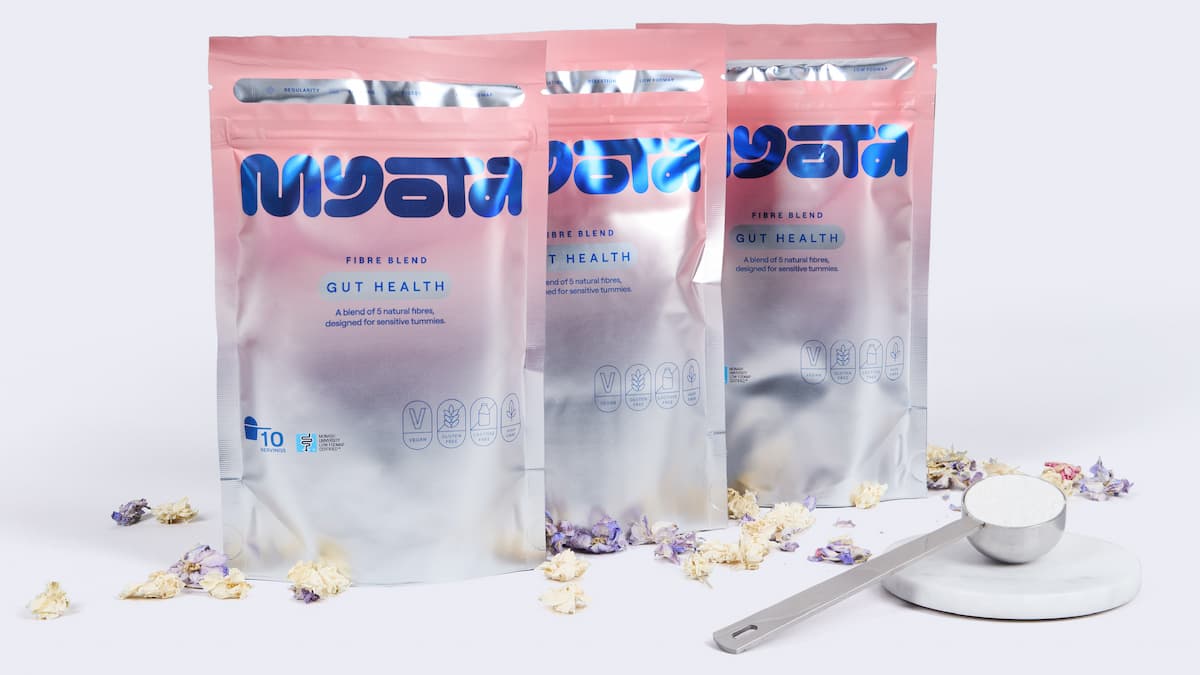
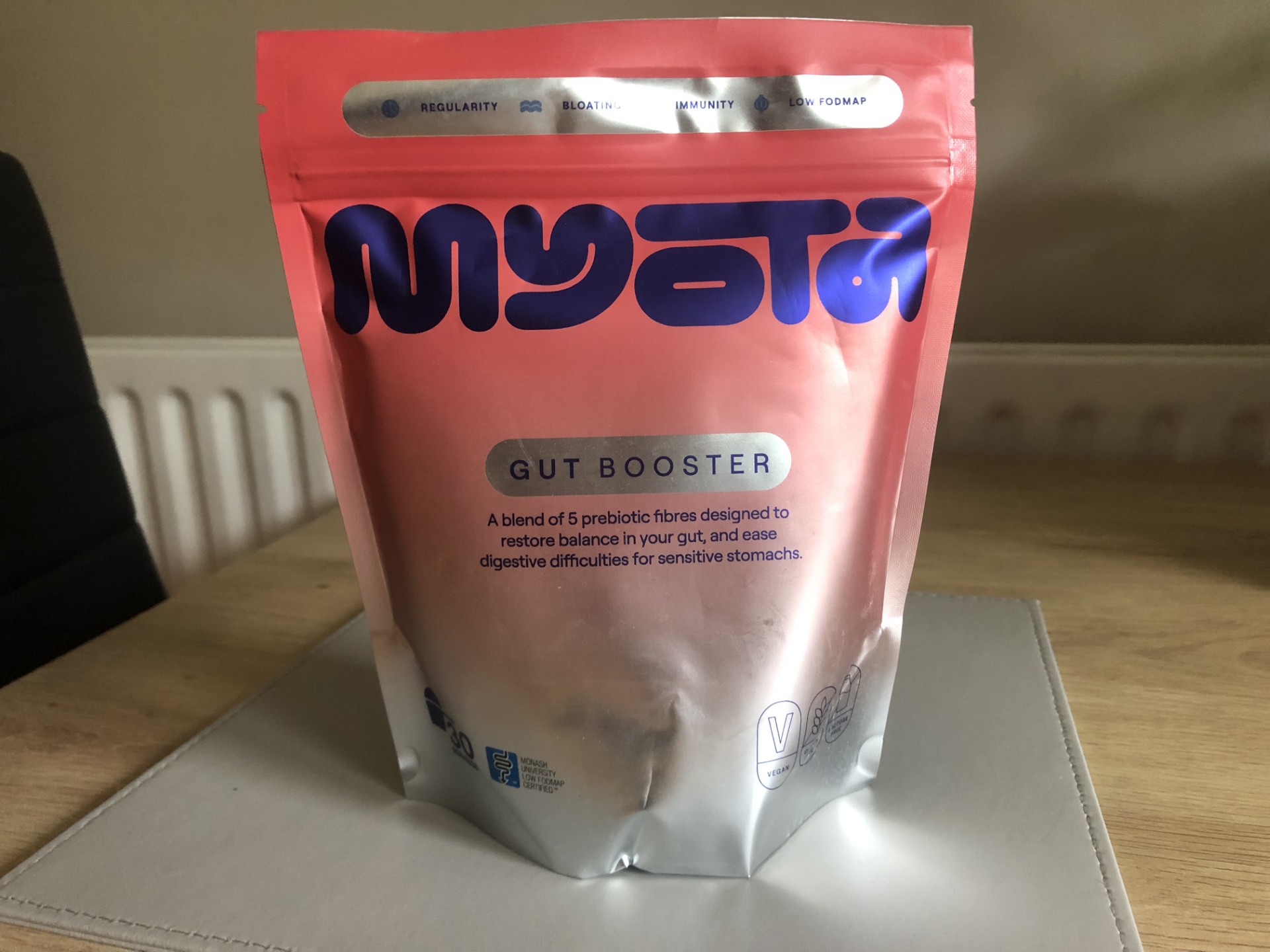
- Consider Probiotics and Prebiotics: Probiotics can help restore a healthy balance of gut bacteria, while prebiotics (fiber-rich foods) feed the beneficial bacteria and have actually been shown in research to be more important than prebiotics for optmising gut health. A good quality, well-researched supplement is this prebiotic supplement by Myota. Use my discount code ULTIMATE20 for a 20% discount.
- Consider the Supplement Rezcue: This is a unique combination of two gut-healing supplements, L-Glutamine and Zinc Carnosine. It is specifically used to help treat leaky gut. Click the REZCUE link and use my code JONATHANCARTER for a 20% discount.
Read my blog on Probiotics
- Stay Hydrated: Adequate hydration is essential for maintaining the mucosal lining of the intestines.
Read my blog on the Importance of Hydration
- Consult a Healthcare Provider: If you suspect you have leaky gut or related health issues, consult with a healthcare professional who can guide you in diagnosis and treatment.

Leaky gut can cause a whole range of symptoms, therefore as mentioned if you suspect this might be your issue it is worth contacting a fully qualified Nutritional Therapist like myself who can help with this condition.
If needed I can use cutting-edge technology via stool testing from Invivo Healthcare or Genova Diagnostics, which would help get to the bottom of your poor health and would then mean a protocol could be put in place.
The 4R’s Approach is often used as an excellent way to improve gut health and repair a leaky gut.
If you’d like to add exercise to a well-being package I am also a Sutton Coldfield based Personal Trainer and you can combine both Nutritional Therapy with Personal Training to optimise your health.
Conclusion
Leaky gut is a complex condition with various contributing factors, ranging from diet and stress to infections and medications.
By understanding these causes and taking proactive steps to support your gut health, you can help maintain the integrity of your gut lining and promote overall well-being.