
Cardio is great for burning fat, there is no question about it. Running, swimming, cycling and even walking are all great forms of cardio that help torch body fat.

All three not only burn fat but also help keep your heart healthy, improve mental health and just generally improve your well-being.
Interval Training
Interval training is an even better form of cardio for torching that unwanted blubber. This involves repeated bursts of high intensity exercise with a rest period inbetween.
This type of cardio means your heart rate skyrockets with this type of training, meaning your body takes a long time to recover to its pre-exercise self, leading to an ‘afterburn effect’.
Therefore your body has an increased calorie burn for 24 hours or so after this style of workout!
Read my blog on The Benefits of HIIT Training.

Though a quick word of caution…… if you are currently highly stressed, limit the amount of these types of intense workout as it could do you more harm then good if you over do it.
Read my blog on stress and anxiety and how intense exercise can make symptoms worse.
Cardio For Weight Loss
Cardio’s weight loss effects are due to all the calories it burns, the downside to this is it can leave you very hungry as the body wants to replace the calories burnt.
Therefore why a lot of people don’t get the results they want ie dropping a dress/trouser size is because they end up eating too much because they are hungry!
Although calories are only one factor involved in fat loss. Being a Nutritional Consultant I rather educate people on what they should eat which often takes care of calorie consumption in my experience.
Though a calorie deficit is always needed to lose body fat.
Calorie Deficit to Lose Body Fat
Around a deficit of 300-500 calories a day is recommended to lose weight safely.
You can work out how many calories you need to maintain your weight using a calorie calculator.
You then just take 500 away, to work out how much you should be eating to lose weight safely.
Obviously the more calories your burn means the more calories you can consume yet still lose weight, hence why exercise is a key part of weight loss.
Now I’m not saying to starve yourself!
No dieting, just keeping portions under control, eating as clean as possible with good sources of protein, slow-release carbohydrates and plenty of fibre, this will help keep your calories under control by keeping you fuller for longer.
You can work with a Nutrition Consultant who can help formulate a plan to help you achieve your weight loss goals.
As I have already said the cleaner your diet is e.g. reducing high sugar, processed foods, takeaways, fizzy drinks etc the easier it is to control the calories anyway.
Read my blog on Calorie Counting and if it is important.
Added to this the better your diet is the more energy you are likely to have, so that you are more likely to work out more and get more from your workouts and therfore burn more calories, a win, win!
Nutritional Therapy and PT
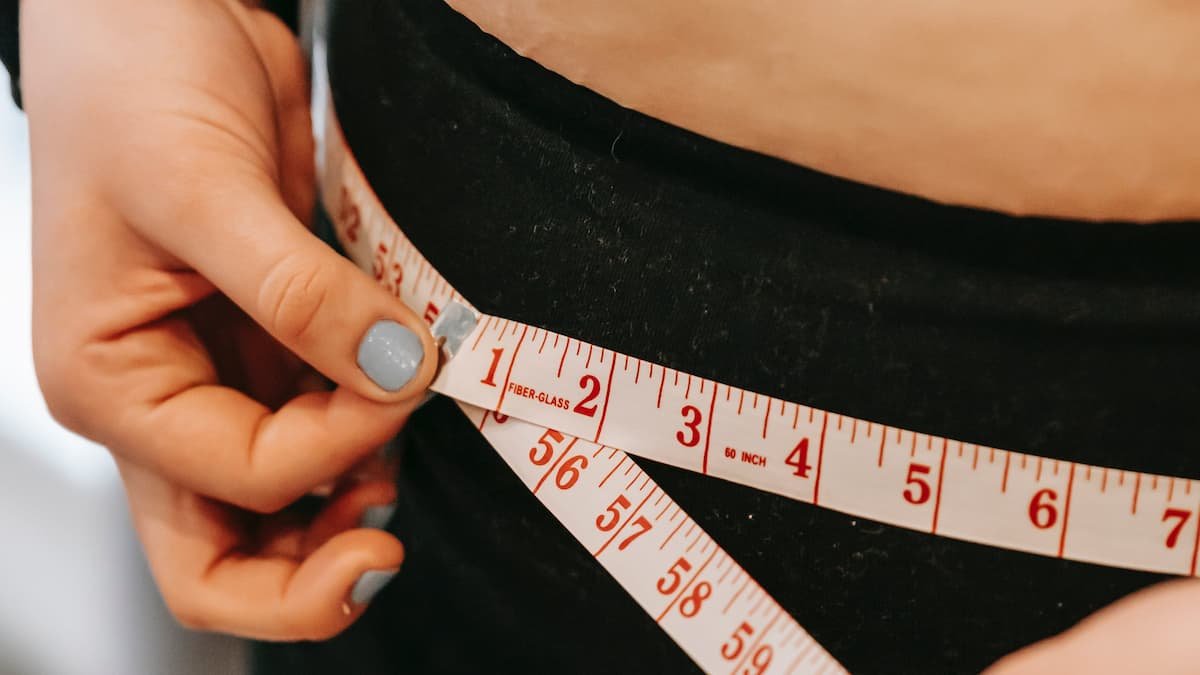
Looking to shed some unwanted weight and drop a dress/trouser size?
As a Personal Trainer, based in Birmingham I highly recommend incorporating interval training into your fitness routine, alongside steady state cardio.
However, be mindful that traditional cardio exercises can leave you feeling hungry and may cause you to overeat.
To combat this, I focus on educating my clients on proper nutrition and portion control to help keep their calorie intake in check.
By maintaining a calorie deficit of around 300 – 500 calories per day and eating clean, nutrient-dense foods, you can safely and effectively lose body fat without resorting to fad diets or starvation.
Let me help you achieve your weight loss goals in a sustainable and healthy way!